Introduction
In an ever-evolving world where academic achievement alone is no longer the sole indicator of a student’s success, the need for holistic education has never been more pressing. The growing emphasis on Social and Emotional Learning (SEL) skills is reshaping how we perceive education and student potential. Unlocking Potential: How SEL Skills Benefit Students Beyond the Classroom reveals the profound impact these skills can have, not just academically, but in fostering resilient, empathetic, and well-rounded individuals prepared for the challenges of life. This article delves into the transformative power of SEL, sharing insights, real-life examples, and actionable strategies for educators, parents, and students alike.
What are SEL Skills?
Social and Emotional Learning (SEL) encompasses a broad range of skills and competencies that help individuals manage emotions, set positive goals, show empathy for others, establish positive relationships, and make responsible decisions. Here’s a deeper look at the core SEL competencies:
- Self-Awareness: Understanding one’s emotions, strengths, weaknesses, values, and motivations.
- Self-Management: The ability to regulate emotions, thoughts, and behaviors effectively in different situations.
- Social Awareness: The capacity to understand the perspectives of others and empathize with them, especially in diverse contexts.
- Relationship Skills: Building and maintaining healthy relationships through communication, conflict resolution, and cooperation.
- Responsible Decision-Making: Making ethical, constructive choices about personal and social behavior.
Table 1. Core SEL Competencies
| Competency | Description |
|---|---|
| Self-Awareness | Recognizing one’s emotions and their impacts |
| Self-Management | Effectively managing stress and controlling impulses |
| Social Awareness | Understanding and empathizing with others’ perspectives |
| Relationship Skills | Establishing and maintaining healthy connections |
| Responsible Decision-Making | Making choices based on ethical and safety considerations |
The Importance of SEL Skills in Education
Building a Foundation for Academic Success
The cognitive benefits of SEL are undeniable. Multiple studies reveal that students who engage in SEL programs not only improve their grades but also enhance their focus, motivation, and engagement in school. A report from the Collaborative for Academic, Social, and Emotional Learning (CASEL) demonstrated that SEL programs lead to a 23% increase in academic performance.
For instance, at a middle school in Chicago, the introduction of an SEL program resulted in a 35% increase in year-end test scores. Such outcomes highlight that Unlocking Potential: How SEL Skills Benefit Students Beyond the Classroom includes academic enrichment as a pivotal layer.
Enhancing Emotional Intelligence
Emotional intelligence (EQ) — the ability to understand and manage feelings, both one’s own and others — is crucial for personal and professional achievements. SEL education fosters emotional intelligence, enabling students to navigate relationships skillfully and respond to challenges with resilience. Students equipped with high EQ tend to be better at handling social interactions, leading to a smoother transition into adulthood.
Case Study: The Impact of SEL in California Schools
Schools in California have increasingly adopted SEL frameworks, resulting in significant improvements in students’ emotional well-being and interpersonal skills. For example, a program initiated in Los Angeles saw a reduction in disciplinary actions by nearly 50%. Teachers noted enhanced classroom dynamics, with students demonstrating greater empathy and collaboration skills. This case exemplifies Unlocking Potential: How SEL Skills Benefit Students Beyond the Classroom, illustrating the deep-rooted benefits of emotional intelligence cultivated through structured learning.
Social Skills: The Blueprint for Future Leaders
Preparing Students for Real-World Challenges
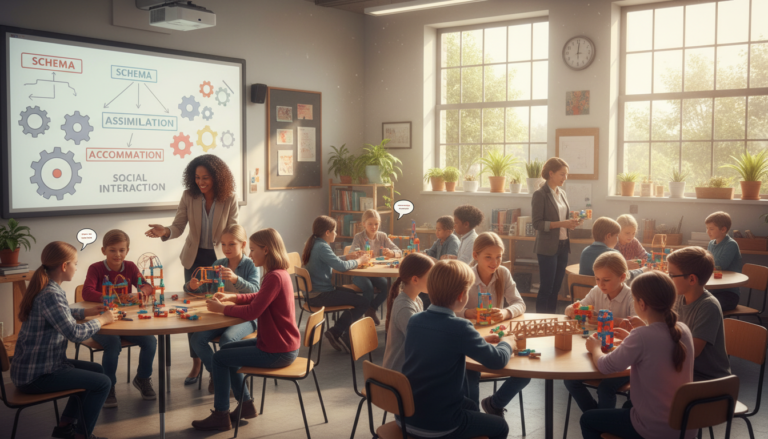
Social skills cultivated through SEL education extend well beyond schoolyard interactions. As students practice empathy, teamwork, and conflict resolution, they prepare for future environments—be it the workplace, community settings, or personal relationships. SEL-focused students develop a capacity for collaboration that is crucial in today’s team-oriented job markets.
Case Study Analysis: Business Outcomes of SEL
Consider the case of a corporate sector initiative that retrained employees using SEL principles. The organization reported a marked increase in teamwork and a 20% boost in productivity. Employees noted improved communication and interpersonal relationships, underlining that Unlocking Potential: How SEL Skills Benefit Students Beyond the Classroom is also pivotal in the professional realm.
Table 2. SEL Skills and Their Real-World Applications
| SEL Skill | Real-World Application |
|---|---|
| Empathy | Supports teamwork and collaboration |
| Conflict Resolution | Essential for effective communication |
| Decision-Making | Guides ethical and contributive behavior |
The Ripple Effect of SEL on Mental Health
Fostering Resilience and Well-Being
Empirical evidence increasingly connects SEL with improved mental health outcomes. Students engaged in SEL programs exhibit lower levels of anxiety and depression, actions rooted in managing emotional awareness and control. Resilient students bounce back from setbacks more effectively, equipping them with coping strategies that serve them throughout life.
Real-Life Impact: The Statistics Speak
Research indicates that SEL programs can lead to a 10% reduction in mental health issues for students, creating a more positive school environment. A longitudinal study following students who participated in an SEL program through elementary school year into high school found that these students were 50% less likely to develop depression.
Integrating SEL into the Curriculum: Strategies for Educators
Actionable Steps
Integrating SEL into existing curricula doesn’t have to be a monumental task. Here are a few actionable strategies for educators looking to embed SEL into their classrooms:
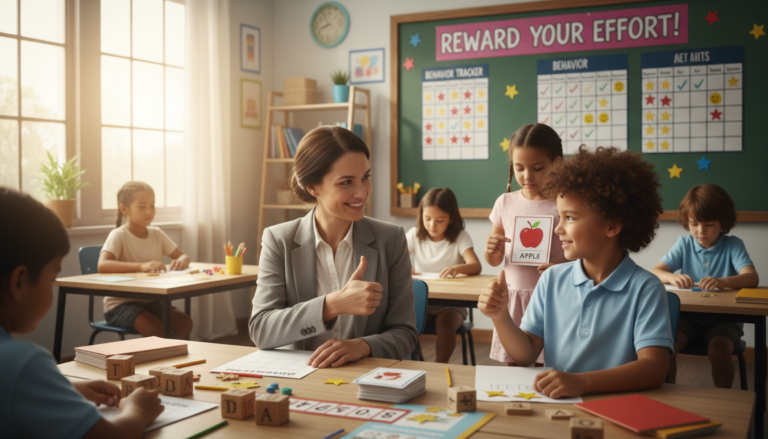
- Model Emotional Intelligence: Teachers should exemplify SEL skills by demonstrating empathy, active listening, and effective conflict resolution.
- Create Safe Spaces: Establish classroom environments where students feel safe to express themselves and explore their emotions.
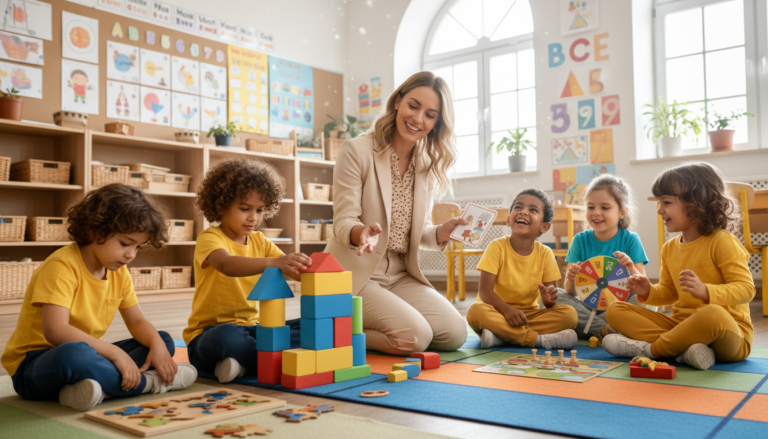
- Incorporate Group Activities: Promote teamwork through group projects, encouraging students to practice collaboration and communication.
Case Study: A School’s Shift
At an elementary school in New York, the integration of SEL principles transformed the classroom dynamics. Teachers reported improved student interactions and decreased behavioral issues, confirming that Unlocking Potential: How SEL Skills Benefit Students Beyond the Classroom can be achieved through intentional teaching methods.
Parents as Partners: The Role of Home in SEL Development
Collaborative Strategies for Growth
Parents play a vital role in reinforcing SEL skills at home. Engaging in conversations about feelings, encouraging children to express themselves, and modeling healthy relationships can solidify what students learn in the classroom.
Parent-Teacher Collaboration
Engaging parents and teachers in dialogue about SEL strategies creates a unified approach to student development. Schools can host workshops to empower parents with tools and techniques that support SEL at home, highlighting the broader community impact of Unlocking Potential: How SEL Skills Benefit Students Beyond the Classroom.
The Future of SEL: Innovations and Trends
Technology’s Role in SEL
As technology advances, innovative tools are emerging to support SEL learning. Online resources, apps, and interactive platforms are making SEL more accessible and engaging for students. Virtual SEL activities provide students with opportunities to practice empathy and teamwork in safe, controlled environments.
Global Perspectives on SEL
Globally, SEL is gaining traction as a vital component of education. Countries like Finland and Singapore are leading initiatives that prioritize emotional and social skills, demonstrating that Unlocking Potential: How SEL Skills Benefit Students Beyond the Classroom is not merely a localized concept but a global movement towards holistic education.
Conclusion
Unlocking Potential: How SEL Skills Benefit Students Beyond the Classroom showcases the paramount importance of nurturing emotional and social intelligence in today’s education systems. Beyond academic success, SEL lays the groundwork for healthier relationships, effective communication, and enhanced mental well-being. As educators, parents, and communities commit to integrating SEL into daily practices, we will not only reshape the future of our students but also of our society as a whole. The challenge lies in recognizing that fostering SEL skills is not merely an educational responsibility, but a communal philosophy to inspire a generation of well-rounded, compassionate individuals.
FAQs
1. What are the main benefits of SEL for students?
SEL promotes better emotional regulation, improved academic performance, reduced behavioral problems, enhanced mental health, and stronger interpersonal relationships.
2. How can teachers effectively integrate SEL into their classrooms?
Teachers can integrate SEL through modeling emotional skills, creating safe environments, and incorporating group activities that promote teamwork.
3. What role do parents play in supporting SEL development?
Parents can reinforce SEL skills at home by encouraging emotional expression, modeling healthy relationships, and collaborating with schools on SEL initiatives.
4. Is there research backing the effectiveness of SEL programs?
Yes, numerous studies support the effectiveness of SEL programs, demonstrating improvements in academic achievement and mental health among students who participate.
5. Are there any specific SEL resources for parents?
Many organizations provide resources, workshops, and guides for parents looking to support SEL at home, including CASEL and the Collaborative for Emotional and Social Learning.
By understanding and embracing the principles of SEL, we can unlock the full potential of our students, ensuring they thrive both in and beyond the classroom.
About the Author


The PsyForU Editorial Collective is the research and editorial team of PsyForU Research International. The collective prepares educational, psychological, mental-health-awareness, inclusion, neurodiversity, and research-methodology content for students, parents, educators, researchers, and general readers. PsyForU content is intended for awareness, education, and capacity-building and should not be treated as clinical diagnosis, therapy, medical advice, legal advice, or emergency mental-health support.