Weathering the Storm: How to Strengthen Your Mental Resilience During Tough Times
Introduction
In times of uncertainty and hardship, resilience becomes not just an asset but a necessity. Whether it’s facing personal challenges like job loss or navigating broader societal crises such as global pandemics, the ability to “weather the storm” significantly affects our mental health and overall well-being. This article will explore how to strengthen your mental resilience during tough times, empowering you with tools, insights, and strategies that can help you emerge not just unscathed, but stronger than before.
Understanding Mental Resilience
What is Mental Resilience?
Mental resilience refers to our ability to adapt to stress, adversity, and trauma. It’s the mental reservoir of strength that individuals draw on in times of trouble. Studies suggest that resilient individuals are more likely to view challenges as opportunities for growth rather than insurmountable obstacles.
The Importance of Mental Resilience
Why focus on mental resilience? According to the American Psychological Association, resilient individuals experience lower levels of anxiety, depression, and stress. They also display a greater sense of control and better coping mechanisms, making them more effective in both personal and professional settings.
The Psychological Framework: Models and Theories
Understanding theories behind resilience can provide clarity on how to implement them in our own lives.
The Resilience Model
Protective Factors: Support systems, environmental stability, and personal characteristics that safeguard mental health.
- Risk Factors: Negative influences such as trauma, social isolation, and socioeconomic challenges.
Table 1: Resilience Framework
| Protective Factors | Risk Factors |
|---|---|
| Support Systems | Trauma |
| Positive Self-Image | Social Isolation |
| Problem-Solving Skills | Socioeconomic Stress |
Emotional Intelligence
Emotional intelligence plays a crucial role in mental resilience. Daniel Goleman’s model breaks it down into:
- Self-awareness: Recognizing your emotions.
- Self-regulation: Managing those emotions effectively.
- Motivation: harnessing emotions toward positive outcomes.
- Empathy: understanding the emotions of others.
- Social Skills: building quality relationships.
Case Studies in Resilience
Case Study 1: The Story of a Small Business Owner
During the financial crisis, Maria, a small business owner, found her cafe struggling to keep afloat. Instead of succumbing to despair, she pivoted her business model to online orders and community delivery. By engaging her loyal customer base through social media, she not only survived but thrived during tough times.
- Relevance: Maria’s initiative to adapt under pressure is a textbook example of weathering the storm. Her emotional intelligence helped her maintain community ties while navigating the challenges of business adversity.
Case Study 2: The Resilient Teen
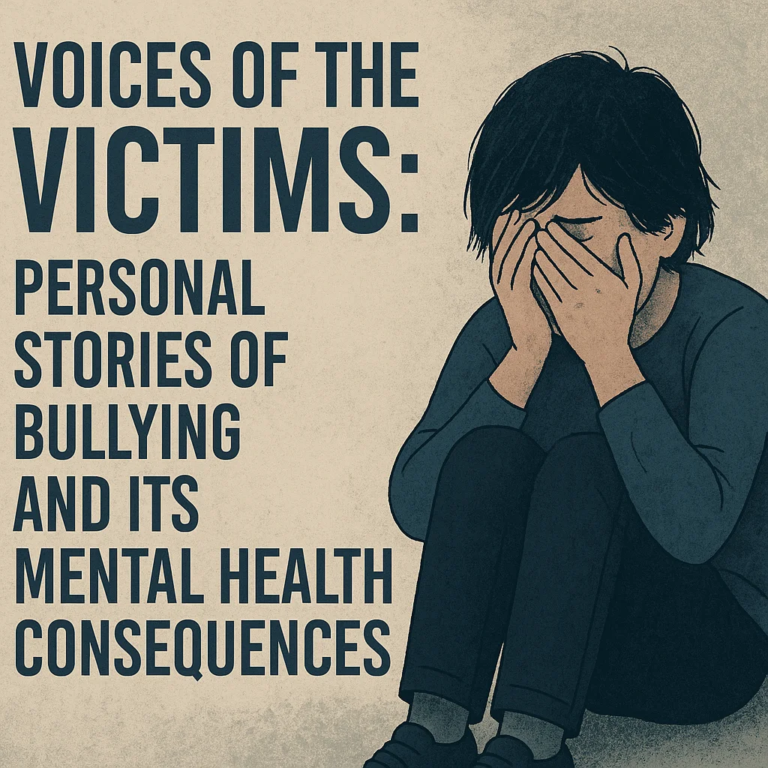
Jordan, a teenager, faced bullying at school that greatly affected his mental health. Instead of withdrawing, he sought counseling and joined a local drama group. Through performance, he found both a supportive network and a creative outlet that bolstered his confidence.
- Relevance: This exemplifies how engaging in supportive activities can significantly enhance resilience, showcasing the power of social support systems.
Building Mental Resilience: Strategies to Weather the Storm
1. Cultivate a Growth Mindset
Fostering a growth mindset can dramatically shift how you perceive and handle adversity. Embrace challenges as opportunities to learn rather than barriers.
- Actionable Tip: Regularly reflect on situations where you’ve overcome obstacles and identify what you learned as a result.
2. Develop Strong Relationships
Strong social networks provide critical emotional support during tough times. Invest time in building and maintaining these relationships.
- Actionable Tip: Schedule regular check-ins with friends and family members to foster deeper connections.
3. Practice Self-Care
Mental resilience is closely tied to physical well-being. Prioritize self-care practices such as exercise, meditation, and healthy eating to boost your psychological health.
- Actionable Tip: Integrate daily physical activity into your routine, even if it’s just a short walk.
4. Embrace Mindfulness
Mindfulness practices help to ground you in the present, reducing anxiety about the future. Techniques can include meditation, journaling, or simply spending quiet time in nature.
- Actionable Tip: Dedicate 10 minutes daily to mindfulness meditation to cultivate awareness and focus.
5. Set Realistic Goals
Setting achievable goals gives you a sense of purpose and direction. Break larger tasks into smaller, manageable steps.
- Actionable Tip: Use the SMART criteria (Specific, Measurable, Achievable, Relevant, Time-bound) to set your goals.
Conclusion
Weathering the storm requires a proactive approach to building mental resilience. By understanding the frameworks of resilience, practicing self-care, cultivating relationships, and adopting a growth mindset, you can emerge from tough times stronger and more equipped to face future challenges. Remember, resilience is not about avoiding stress but about mastering the art of navigating it with poise and strength.
Actionable Takeaway
Start Today: Don’t wait for a storm to develop your resilience. Choose one strategy outlined in this article and commit to it for the next month. Track your progress and reflect on the changes you notice in your mental outlook.
FAQs
1. What is the first step in developing mental resilience?
Start by enhancing your self-awareness. Reflect on past challenges and how you’ve overcome them. This will build your confidence for future obstacles.
2. Can I build resilience alone?
While self-work is valuable, social connections are essential. Reach out to friends, family, or support groups for additional strength.
3. How long does it take to build resilience?
Building resilience is a gradual process. Consistency in practicing the suggested strategies will yield positive results over time.
4. Are there specific practices for coping with anxiety?
Try mindfulness meditation, cognitive reframing, and regular physical activity to help manage anxiety effectively.
5. What role does professional help play in building resilience?
Seeking therapy or counseling provides a safe environment to process emotions and develop personalized coping strategies, enhancing your overall resilience.
This expansive guide not only presents the key elements of weathering the storm and strengthening your mental resilience during tough times but also empowers readers with practical tools they can implement in their lives. By navigating the complexities of adversity with informed strategies, you can foster a robust mental framework that will serve you well, no matter what challenges lie ahead.
About the Author