Introduction
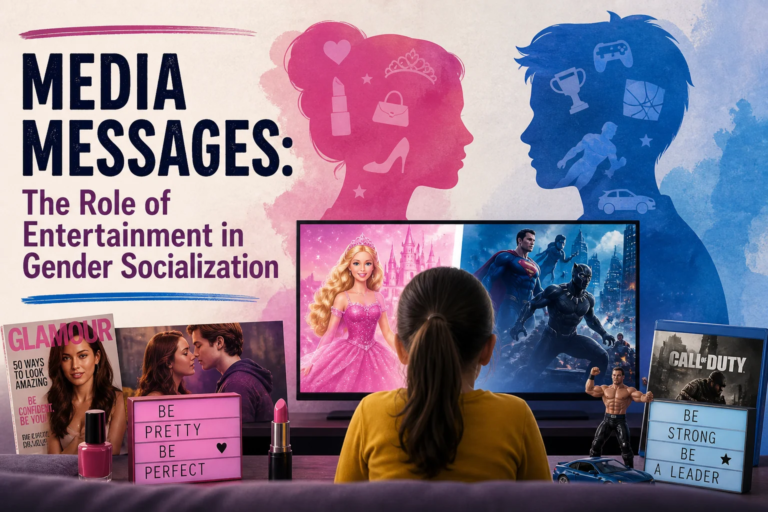
In an era where visual storytelling dominates our cultural landscape, the significance of media representation cannot be underestimated. Our screens—whether large or small—shape perceptions and set standards over time. But how do film and television portray gender, and more importantly, how do they reinforce existing norms? Media representation: how film and television reinforce gender norms is not just a theory; it’s a lived reality for millions of viewers, influencing self-identity, societal roles, and interpersonal relationships.
In this article, we will dissect the intricate mechanisms by which media representation upholds gender norms and unveil case studies that exemplify these dynamics. So, let’s dive deeper into this compelling intersection of media, gender, and societal values.
The Importance of Media Representation
A Mirror to Society
Film and television often reflect the society in which they were created. However, this reflection isn’t just passive—it actively shapes societal norms and expectations. When films portray women predominantly in submissive roles or men as invulnerable warriors, these narratives create a feedback loop that reinforces traditional gender stereotypes.
The Power of Storytelling
According to a 2021 study by the Geena Davis Institute on Gender in Media, films that feature a balanced representation of genders not only promote equality but also resonate more with audiences, leading to higher box-office performance. This showcases the potential of films and television to not only mirror societal expectations but challenge them effectively.
Mobile vs. Traditional Media: A Shifting Battlefield
Changing Mediums, Changing Messages
In today’s digital age, media representation is no longer confined to traditional film and television. Social media platforms, streaming services, and digital content allow for diverse narratives to emerge. However, the question remains: do these platforms elevate representation or perpetuate traditional norms?
| Platform | Gender Representation | Notable Shows/Films |
|---|---|---|
| Traditional Television | Often stereotypical | "Friends," "The Big Bang Theory" |
| Streaming Services | More diverse | "Orange is the New Black," "The Crown" |
| Social Media | Influences trends | TikTok, Instagram influencers |
Conclusion from Observation
As this table illustrates, traditional media has often relied on clichéd gender roles, while platforms like streaming services present opportunities for notable shifts in representation.
Hollywood’s Gender Lip Service: Case Studies
The Bechdel Test
One of the most well-known measures of gender representation is the Bechdel Test, which evaluates whether a film features at least two named female characters who converse about something other than a man. While this test has sparked many discussions, it’s also criticized for oversimplifying representation.
Case Study: "Wonder Woman" (2017)
"Wonder Woman" passes the Bechdel Test with flying colors, showcasing strong, empowered women while also receiving critical acclaim. It marked a pivotal shift, displaying female strength not only in fighting skills but through emotional depth and relational complexity.
Relevance: This film indicates that audiences are hungry for multifaceted female protagonists who challenge traditional gender roles.
Stereotypes Reinforced: Case Study
On the flip side, we have films like "Transformers" (2007-2021), which illustrates more traditional gender portrayals. Female characters often serve as love interests rather than individuals with their own arcs.
Analysis
Despite the commercial success of the "Transformers" franchise, it has faced significant criticism for perpetuating outdated stereotypes about gender, indicating that box-office numbers shouldn’t eclipse the importance of responsible representation.
Breaking the Norm: Positive Examples in Media Representation
Films that Challenge Stereotypes
While many films perpetuate gender norms, several have made strides in breaking them down.
Case Study: "Black Panther" (2018)
"Black Panther" not only passed the Bechdel Test but also depicted a myriad of strong female characters in leadership, combat, and science.
Relevance: This film showcased diverse identities and portrayed women as layers of complexity rather than mere plot devices.
Television that Inspires Change
Case Study: "Fleabag"
Phoebe Waller-Bridge’s "Fleabag" captures raw femininity, displaying vulnerabilities, failings, and hilarity without clinging to societal expectations.
Analysis: This series blends humor with poignant themes, fostering dialogues around femininity that resonate with diverse audiences and challenge conventional norms.
The Role of Audiences in Media Consumption
Viewer Impact on Gender Representation
It’s important to recognize that audiences wield power. Through both viewership and vocal feedback, they shape what stories get told.
The Data Speaks
A survey conducted by the Pew Research Center in 2020 found that 60% of respondents wished to see more representation of women and LGBTQ+ characters in mainstream media. This demand highlights the audience’s readiness for change.
The Future of Media Representation
Trends in Gender Representation
As awareness grows, so does the shift away from traditional portrayals of gender. Social movements like #MeToo and Time’s Up have prompted a reevaluation of gender representation in media.
Emerging Voices
New creators, especially from underrepresented backgrounds, are taking control of narratives. Whether it’s through independent films or web series, these storytellers offer fresh perspectives that challenge the status quo.
Conclusion
In conclusion, media representation: how film and television reinforce gender norms is a multifaceted conversation that extends beyond simple analysis. It encompasses reflections of society, the evolution of storytelling, and the crucial role audiences play in shaping these narratives. To foster a more inclusive future, it is essential to continue advocating for diverse and nuanced representations that break free from restrictive norms.
The screens that inform our realities have immense power. They can either uphold the status quo or challenge it. As viewers, we have the responsibility to demand better.
FAQs
1. How does media representation impact real-life perceptions of gender?
Media representation significantly impacts societal norms and self-image, shaping how individuals view themselves and each other as they relate to given gender roles and expectations.
2. What are some successful films and TV shows that break traditional gender norms?
Examples include "Black Panther," "Wonder Woman," and TV series like "The Handmaid’s Tale" and "Fleabag," which present multidimensional gender portrayals.
3. How can audiences influence media representation?
By supporting diverse films, voicing concerns over stereotypes, and engaging with creators on platforms like social media, audiences can drive demand for better representation.
4. What is the Bechdel Test, and why is it important?
The Bechdel Test evaluates the representation of women in media. It challenges creators to move beyond simplistic portrayals, encouraging more complex female narratives.
5. Are streaming platforms doing better in terms of gender representation?
Many streaming platforms are increasingly showcasing diverse stories, driven by audience demand for varied narratives that challenge traditional gender norms.
Embark on a journey to reshape the way we narrate and, ultimately, the world we build through our screens. Each voice matters in this dialogue around media representation: how film and television reinforce gender norms. Let’s make our voices heard.
About the Author


The PsyForU Editorial Collective is the research and editorial team of PsyForU Research International. The collective prepares educational, psychological, mental-health-awareness, inclusion, neurodiversity, and research-methodology content for students, parents, educators, researchers, and general readers. PsyForU content is intended for awareness, education, and capacity-building and should not be treated as clinical diagnosis, therapy, medical advice, legal advice, or emergency mental-health support.