Introduction: Why Gender Roles Still Shape Everyday Life
A girl in Sweden grows up expecting fathers to take parental leave. A boy in Japan may learn early that emotional restraint is a sign of maturity. A woman in rural India may negotiate education, marriage, and work through family expectations. A man in the United States may feel pressure to be financially successful, emotionally controlled, and constantly “strong.”
These are not random differences. They are cultural scripts.
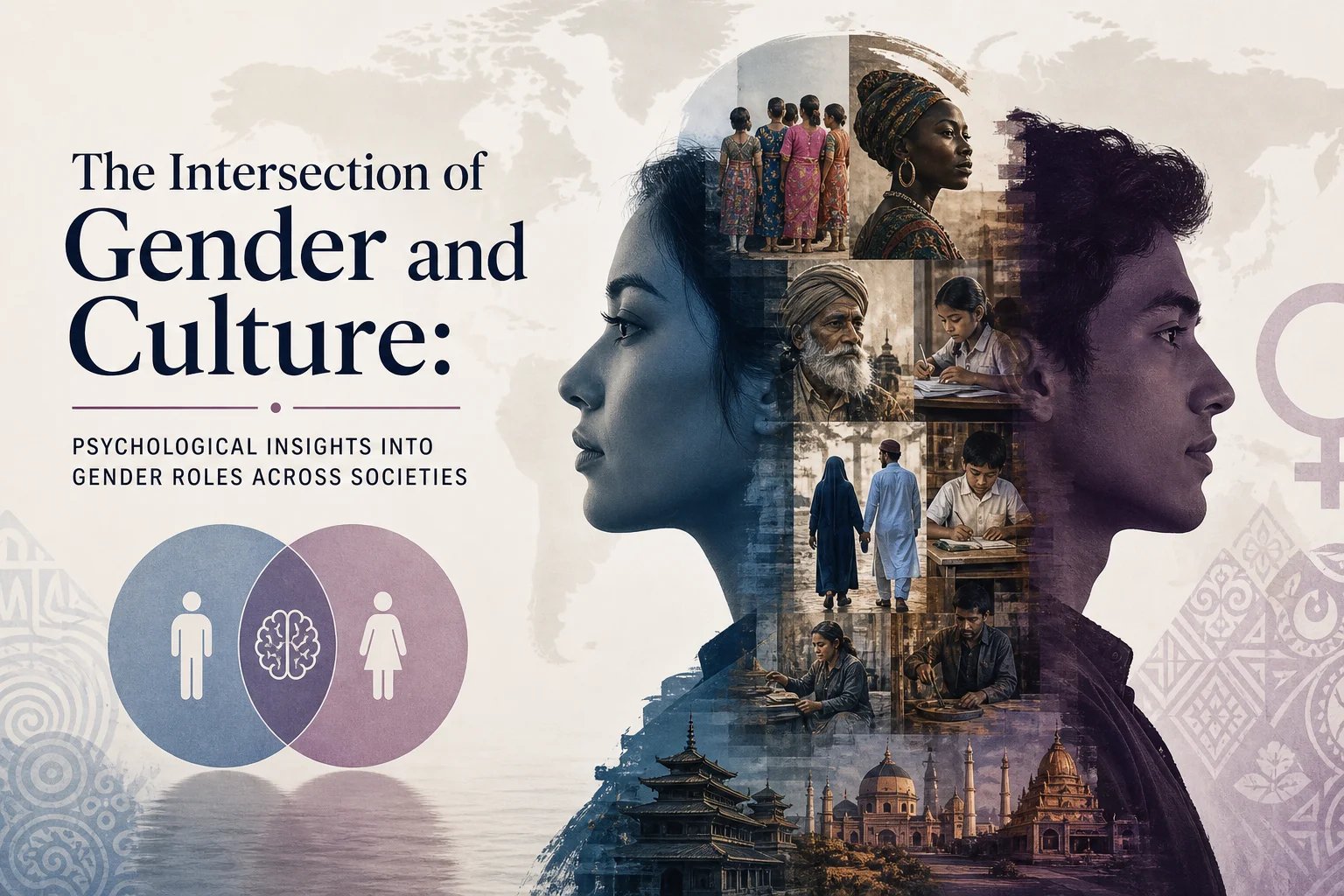
The Intersection of Gender and Culture: Psychological Insights into Gender Roles Across Societies helps us understand how societies teach people what it means to be “masculine,” “feminine,” responsible, desirable, powerful, or respectable. Gender is not experienced in a vacuum. It is shaped by religion, history, economics, family systems, media, law, colonial legacies, migration, and social change.
At the same time, culture is not fixed. People reinterpret, resist, and reshape gender norms every day. Across societies, gender roles are evolving in homes, classrooms, workplaces, governments, and online spaces.
This article explores The Intersection of Gender and Culture: Psychological Insights into Gender Roles Across Societies through research-backed concepts, real-world case studies, and practical examples. We will look at how cultural expectations influence identity, mental health, leadership, parenting, education, relationships, and social progress.
The goal is not to rank cultures as “better” or “worse.” Instead, it is to understand how gender norms work, why they persist, and how societies can move toward healthier, more flexible roles for everyone.
Understanding the Intersection of Gender and Culture
To understand The Intersection of Gender and Culture: Psychological Insights into Gender Roles Across Societies, we first need to define the two key ideas.
Gender refers to the social, psychological, and cultural meanings attached to being female, male, both, neither, or somewhere beyond traditional categories. Gender includes identity, expression, roles, expectations, and power relations.
Culture refers to the shared beliefs, values, practices, symbols, and social norms of a group. Culture influences how people communicate, raise children, form families, make decisions, and define success.
When gender and culture meet, they create powerful expectations about:
- Who should lead
- Who should care for children
- Who should earn money
- Who should express emotion
- Who should be modest, assertive, obedient, ambitious, nurturing, or independent
- Who is allowed to break the rules
This is why gender roles across societies vary so widely. In some communities, women are expected to manage household finances. In others, men are considered primary decision-makers. Some societies encourage girls to pursue science and politics, while others may subtly direct them toward caregiving roles.
Yet even within the same society, gender expectations differ by class, ethnicity, region, religion, age, sexuality, and education. That is why the cultural psychology of gender must be nuanced.
Why Psychology Matters in Gender and Culture
Psychology helps explain how cultural gender norms become part of the self.
People are not simply told what gender means. They absorb gender roles through repeated experiences: praise, punishment, stories, jokes, school rules, religious teachings, advertisements, family duties, and peer behavior.
The psychology of The Intersection of Gender and Culture: Psychological Insights into Gender Roles Across Societies includes several important processes.
1. Social Learning
Children learn gender roles by observing others. If boys see men praised for toughness and girls see women praised for self-sacrifice, they may copy these behaviors.
Social learning happens through:
- Parents and caregivers
- Teachers
- Siblings
- Religious leaders
- Media figures
- Friends
- Community elders
For example, a boy who is told “boys don’t cry” may learn to suppress sadness. A girl who is praised only for being pretty or helpful may learn that appearance and service matter more than confidence or curiosity.
2. Gender Schema Formation
A gender schema is a mental framework that helps people organize information about gender. Children begin forming gender schemas early.
They may learn:
- Trucks are for boys.
- Dolls are for girls.
- Fathers fix things.
- Mothers cook.
- Men lead.
- Women care.
These schemas can become shortcuts that shape career choices, self-esteem, emotional expression, and relationships.
3. Cultural Identity and Belonging
Gender roles are often tied to belonging. Following gender norms can signal respect for family, tradition, religion, or community.
This is one reason gender change can feel emotionally charged. When people challenge gender expectations, others may interpret it as rejecting culture itself.
A psychological insight into gender roles across societies is that norms are not only rules; they are identity anchors. They tell people, “This is who we are.”
4. Internalized Norms
Over time, cultural expectations become internal beliefs. People may police themselves even when no one else is watching.
A woman might avoid negotiating salary because she fears seeming aggressive. A man might avoid therapy because he believes emotional vulnerability is weakness. A nonbinary person might hide their identity to avoid rejection.
Understanding The Intersection of Gender and Culture: Psychological Insights into Gender Roles Across Societies means recognizing that external norms often become internal pressures.
A Global Snapshot of Gender Roles Across Societies
Gender roles are shaped by many forces. The following table offers a simplified comparison of common cultural patterns. These are not universal truths, but broad tendencies that help illustrate how culture influences gender psychology.
| Cultural Context | Common Gender Expectations | Psychological Impact | Signs of Change |
|---|---|---|---|
| Nordic countries | Greater emphasis on shared parenting and gender equality | Higher expectation of work-life balance for all genders | Expansive parental leave, women in leadership |
| East Asian societies | Duty, family honor, academic success, emotional restraint | Pressure to meet family and social expectations | Rising conversations on work stress, marriage, and gender equality |
| South Asian communities | Strong family involvement in marriage, career, and gender roles | Tension between tradition and individual choice | More women in education, entrepreneurship, and politics |
| Middle Eastern societies | Gender norms often tied to religion, family honor, and modesty | Strong communal identity; pressure around public behavior | Women’s education and workforce participation expanding in many areas |
| Latin American cultures | Machismo and marianismo have historically shaped roles | Men may face pressure to be dominant; women to be self-sacrificing | Feminist movements and changing fatherhood ideals |
| Sub-Saharan African societies | Diverse roles; women often central in markets, farming, and family systems | Community-based identity; gender varies by ethnic and economic context | Women’s leadership in activism, business, and education |
| North America | Individualism, career achievement, evolving gender identity norms | Greater freedom but also intense performance pressure | Increasing visibility of LGBTQ+ identities and gender-fluid roles |
This table shows why The Intersection of Gender and Culture: Psychological Insights into Gender Roles Across Societies cannot be reduced to a single story. Gender norms are diverse, contested, and constantly changing.
Gender Roles Begin Early: Childhood and Family Socialization
Family is often the first classroom of gender.
Before children understand politics or religion, they learn who cooks, who repairs, who comforts, who disciplines, who earns, and who obeys. These daily observations shape expectations.
In many cultures, girls are encouraged to be responsible earlier than boys. They may help with younger siblings, prepare food, or maintain household order. Boys may receive more freedom to roam, explore, or take risks.
This matters psychologically because early responsibilities can influence:
- Confidence
- Independence
- Emotional regulation
- Academic achievement
- Leadership development
- Career aspirations
- Relationship patterns
In discussions of The Intersection of Gender and Culture: Psychological Insights into Gender Roles Across Societies, childhood is central because gender norms are often learned before they are questioned.
The Hidden Curriculum of the Home
Children learn gender through small moments:
- Who gets interrupted at dinner?
- Who is allowed to be angry?
- Who is expected to clean?
- Who receives protection?
- Who receives freedom?
- Who is encouraged to speak up?
These patterns form what psychologists sometimes call the “hidden curriculum” of social life. It is not always spoken, but it is deeply taught.
Education and Gender: Schools as Cultural Mirrors
Schools can either reinforce or challenge gender roles.
In some societies, girls are encouraged to excel academically but discouraged from pursuing leadership. In others, boys may be pushed toward technical fields while girls are steered toward caregiving professions.
The intersection of gender and culture in education appears in:
- Textbooks
- Teacher expectations
- Dress codes
- Sports access
- Classroom participation
- STEM encouragement
- Safety and harassment policies
- Menstrual health support
For instance, if textbooks show men as scientists and women as nurses, children absorb a message about possibility. If teachers call on boys more often in math class, girls may begin to doubt their ability even when they perform well.
Table: How Schools Shape Gender Psychology
| School Practice | Cultural Message | Possible Psychological Effect |
|---|---|---|
| Gendered uniforms | Boys and girls should behave differently | Reinforces binary expectations |
| Male-dominated science examples | Innovation is masculine | Girls may feel less belonging in STEM |
| Girls praised for neatness, boys for creativity | Girls should be careful; boys should be bold | Limits risk-taking and confidence |
| Boys discouraged from arts | Creativity or emotional expression is feminine | Restricts emotional development |
| Inclusive curricula | Many gender identities and roles are valid | Increases belonging and empathy |
Education is one of the most powerful tools for reshaping gender roles across societies because it reaches children during identity formation.
Case Study 1: Nordic Parental Leave and Shared Caregiving
Nordic countries, especially Sweden, Norway, and Iceland, are often discussed in relation to gender equality. One reason is their approach to parental leave.
In Sweden, parental leave policies encourage both mothers and fathers to take time off work. Some leave is specifically reserved for fathers or the second parent, creating a “use it or lose it” incentive.
What Happened?
As more fathers took parental leave, caregiving became less culturally defined as “women’s work.” Fathers became more visible in parks, clinics, and schools. Children grew up seeing men nurture and women work.
Psychological Relevance
This case illustrates The Intersection of Gender and Culture: Psychological Insights into Gender Roles Across Societies because policy changed behavior, and behavior gradually influenced norms.
When fathers are expected to care for infants, men may develop stronger emotional bonds with children. Mothers may experience less pressure to be the sole caregiver. Children may form more flexible gender schemas.
Brief Analysis
The Nordic example shows that gender roles are not only private beliefs. They are supported by institutions. When laws, workplaces, and communities normalize shared caregiving, psychology shifts. People begin to imagine masculinity and femininity differently.
Work, Leadership, and the Cultural Meaning of Ambition
Workplaces reveal some of the deepest tensions in The Intersection of Gender and Culture: Psychological Insights into Gender Roles Across Societies.
In many societies, men are expected to be ambitious providers. Women may be encouraged to work, but only if they also remain primary caregivers. This creates a double burden.
A woman may be praised for professional success but criticized if she is seen as neglecting family. A man may want to be an involved parent but fear being viewed as less committed at work.
The Leadership Double Bind
Women leaders often face a psychological double bind:
- If they are warm and collaborative, they may be seen as likable but weak.
- If they are assertive and decisive, they may be seen as competent but unfeminine.
This double bind varies across cultures, but it appears globally in different forms.
Men and the Provider Role
Men also face restrictive expectations. In cultures where masculinity is tied to income, unemployment can deeply affect male identity and mental health. Men may feel shame, anger, or inadequacy when they cannot fulfill the provider role.
This is why gender equality is not only a women’s issue. The intersection of gender and cultural expectations affects everyone.
Case Study 2: Japan, Work Culture, and Changing Masculinity
Japan has long been associated with intense work culture, including the image of the “salaryman” who works long hours and prioritizes company loyalty.
This model shaped masculinity. A “good man” was often seen as a stable provider who worked hard, endured stress, and sacrificed personal time.
What Changed?
Younger generations increasingly question this model. More men express interest in active fatherhood, mental health, and work-life balance. Meanwhile, women’s workforce participation has increased, though leadership gaps remain.
Government and corporate efforts have encouraged paternity leave, but cultural stigma sometimes prevents men from using it.
Psychological Relevance
This example highlights The Intersection of Gender and Culture: Psychological Insights into Gender Roles Across Societies because it shows the gap between policy and identity. A law may permit fathers to take leave, but cultural expectations may still discourage them.
Brief Analysis
Japan’s case reveals that gender roles are maintained not only by rules but by reputation. If men fear workplace judgment for caregiving, they may conform to traditional roles even when alternatives exist. Sustainable change requires psychological safety, not just legal permission.
Marriage, Family Honor, and Collective Identity
In many societies, marriage is not only an individual relationship. It is a family and community institution.
This is especially important in collectivist cultures, where decisions may reflect family reputation, lineage, religious values, or economic stability.
The cultural psychology of gender in marriage can influence:
- Partner choice
- Age of marriage
- Dowry or bridewealth systems
- Household authority
- Fertility expectations
- Divorce stigma
- Sexual norms
- Care for elders
Women may face stronger pressure to preserve family honor through modesty, obedience, or marital stability. Men may face pressure to provide financially, protect the family name, and maintain authority.
In The Intersection of Gender and Culture: Psychological Insights into Gender Roles Across Societies, family honor is a key concept because it links personal behavior to collective identity.
Case Study 3: South Asian Women, Education, and Negotiated Change
Across South Asia, gender roles differ widely by region, class, religion, caste, and urban-rural context. However, one major trend is clear: women’s education has expanded significantly in many areas.
What Happened?
As more girls and women gained access to education, their aspirations changed. Many pursued careers in medicine, technology, teaching, law, business, and public service. Yet traditional expectations around marriage, caregiving, and family obedience often remained strong.
Rather than simply rejecting tradition, many women negotiated change. They balanced family expectations with personal ambition, sometimes gaining support from parents, spouses, or extended kin.
Psychological Relevance
This case is central to The Intersection of Gender and Culture: Psychological Insights into Gender Roles Across Societies because it shows that empowerment is often relational. Individual choice may be shaped through family negotiation rather than open rebellion.
Brief Analysis
The South Asian education example challenges simplistic views of culture. Change does not always happen by abandoning tradition. Sometimes it happens by reinterpreting tradition: “A daughter’s success honors the family,” or “An educated wife strengthens the household.” These reframings can reduce resistance and support progress.
Religion, Gender, and Psychological Meaning
Religion often plays a powerful role in gender expectations. It can define modesty, marriage, leadership, sexuality, parenting, and moral responsibility.
However, religion is not monolithic. Within the same religious tradition, communities may interpret gender roles differently.
For example:
- Some religious groups restrict women’s leadership; others celebrate it.
- Some emphasize male authority; others emphasize mutual responsibility.
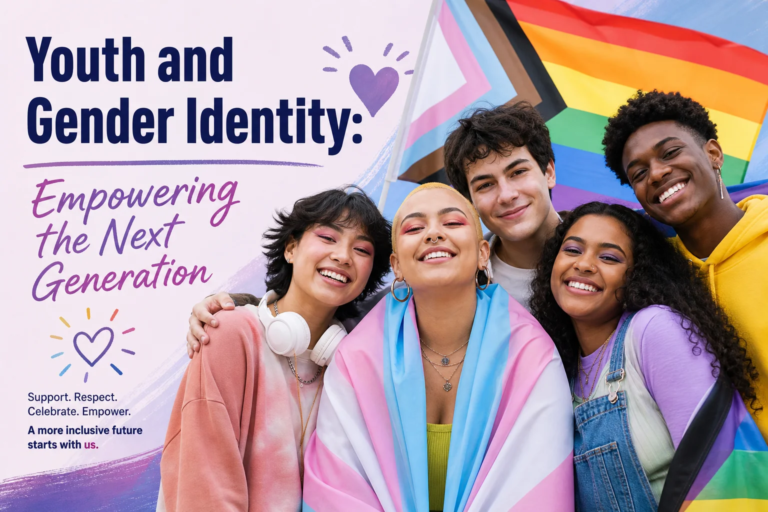
- Some view gender diversity negatively; others create more inclusive interpretations.
The key psychological insight is that religious gender norms often carry deep emotional meaning. They are connected to morality, belonging, identity, and spiritual purpose.
When discussing The Intersection of Gender and Culture: Psychological Insights into Gender Roles Across Societies, it is important to avoid stereotypes. Religion can reinforce gender inequality, but it can also motivate justice, care, dignity, and social reform.
Media, Beauty Standards, and Globalized Gender
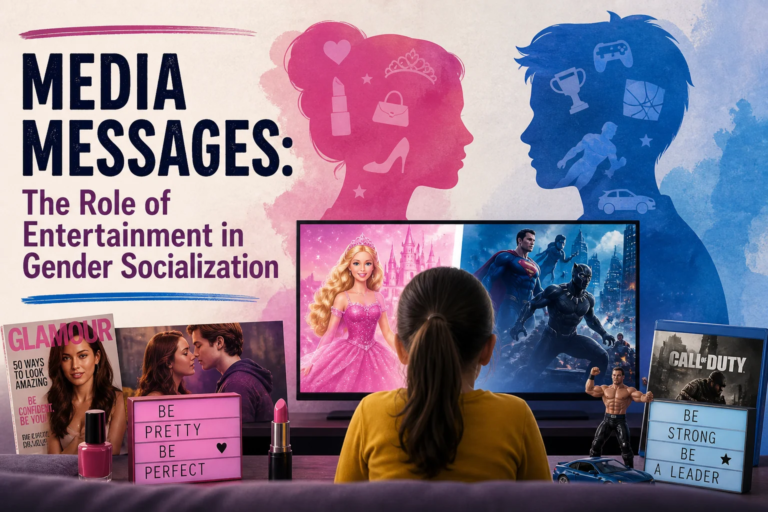
Media is one of the fastest-moving forces in The Intersection of Gender and Culture: Psychological Insights into Gender Roles Across Societies.
Films, music videos, advertisements, influencers, and social platforms transmit gender ideals across borders. A teenager in Kenya may follow Korean pop stars, American beauty influencers, and local comedians all in one afternoon.
This creates hybrid gender identities. People blend local traditions with global trends.
The Psychology of Beauty Norms
Beauty standards are culturally specific but increasingly globalized. In many places, women face pressure to be thin, youthful, fair-skinned, fashionable, and sexually attractive yet socially respectable.
Men may face pressure to be tall, muscular, wealthy, confident, and emotionally controlled.
These ideals affect:
- Body image
- Self-esteem
- Eating behaviors
- Dating expectations
- Cosmetic consumption
- Social comparison
- Anxiety and depression
Social Media and Gender Performance
Social media intensifies gender performance because people are constantly visible. Likes, comments, and shares become social rewards.
A young woman may learn that beauty receives validation. A young man may learn that wealth displays bring status. A gender-nonconforming person may find community online but also face harassment.
The digital world has made the intersection of gender and culture across societies more complex than ever.
Case Study 4: Latin America, Machismo, and New Fatherhood
Latin American societies are diverse, but many have historically been influenced by the concepts of machismo and marianismo.
Machismo often refers to ideals of male strength, dominance, sexual assertiveness, and protection. Marianismo refers to ideals of female purity, sacrifice, patience, and devotion to family.
What Changed?
In many Latin American communities, feminist movements, education, urbanization, and economic shifts have challenged traditional gender roles. At the same time, new models of fatherhood have emerged.
More men are embracing emotional closeness with children, shared domestic work, and more equal partnerships.
Psychological Relevance
This case strongly reflects The Intersection of Gender and Culture: Psychological Insights into Gender Roles Across Societies because it shows how cultural ideals can both harm and transform.
Machismo can contribute to violence, emotional suppression, and unequal relationships. But cultural values of family loyalty and protection can also be redirected toward care, responsibility, and respect.
Brief Analysis
The Latin American example demonstrates that gender change is most effective when it works with cultural values rather than simply attacking them. Redefining strength as emotional courage and responsibility can create healthier masculinities.
Gender Diversity Across Cultures
Western conversations often frame gender diversity as new, but many societies have long recognized gender categories beyond male and female.
Examples include:
- Two-Spirit identities among some Indigenous North American communities
- Hijra communities in South Asia
- Fa’afafine in Samoa
- Muxe communities in parts of Mexico
- Sworn virgins in parts of the Balkans
These identities are culturally specific and should not be treated as identical. Still, they show that gender diversity has deep historical roots.
This is a vital part of The Intersection of Gender and Culture: Psychological Insights into Gender Roles Across Societies because it challenges the idea that binary gender roles are universal or natural.
Psychological Implications
When cultures recognize gender diversity, individuals may have language and social roles that support identity. When cultures stigmatize diversity, people may face shame, secrecy, discrimination, and mental health risks.
Acceptance is not always complete. Some gender-diverse groups may be culturally recognized but still marginalized economically or socially.
Power, Inequality, and Gender Norms
Gender roles are not just about difference. They are also about power.
Some cultural gender norms distribute resources unequally. They may affect who owns land, receives education, inherits wealth, speaks in public, controls reproductive choices, or participates in politics.
A serious discussion of The Intersection of Gender and Culture: Psychological Insights into Gender Roles Across Societies must examine power because norms often benefit some groups more than others.
Common Forms of Gendered Power
| Area of Life | Gendered Power Pattern | Psychological Consequence |
|---|---|---|
| Household decision-making | Men may hold final authority | Women may experience reduced autonomy |
| Emotional expression | Men discouraged from vulnerability | Higher isolation and untreated distress |
| Sexual norms | Women judged more harshly | Shame, fear, restricted freedom |
| Career advancement | Leadership coded masculine | Lower confidence and opportunity for women |
| Caregiving | Women expected to provide unpaid care | Burnout and economic dependence |
| Violence | Aggression normalized as masculine | Trauma and fear for women and children |
Gender norms become especially harmful when they limit human potential. A culture is healthier when people can develop their full range of abilities: courage, tenderness, leadership, creativity, logic, empathy, ambition, and care.
Mental Health at the Intersection of Gender and Culture
Mental health is deeply shaped by gender expectations.
Across societies, people may suffer when they cannot fit cultural gender roles or when those roles demand emotional suppression, self-sacrifice, or perfection.
Women and Mental Health
Women in many cultures may experience stress from:
- Unequal domestic labor
- Gender-based violence
- Beauty pressure
- Limited autonomy
- Caregiving overload
- Workplace discrimination
- Reproductive expectations
These pressures can contribute to anxiety, depression, trauma, and chronic stress.
Men and Mental Health
Men may experience stress from:
- Pressure to provide
- Emotional restriction
- Fear of appearing weak
- Social isolation
- Risk-taking expectations
- Violence-related norms
- Shame around unemployment or failure
In many societies, men are less likely to seek therapy because help-seeking conflicts with cultural masculinity.
LGBTQ+ and Gender-Diverse Mental Health
Gender-diverse and LGBTQ+ people may face:
- Family rejection
- Legal discrimination
- Bullying
- Religious stigma
- Identity concealment
- Violence
- Lack of affirming healthcare
However, supportive families and communities dramatically improve mental health outcomes.
This mental health lens is one of the most important psychological insights into gender roles across societies.
Migration: When Gender Cultures Collide
Migration creates a unique setting for The Intersection of Gender and Culture: Psychological Insights into Gender Roles Across Societies.
Families may move from one cultural environment to another where gender expectations differ. Parents and children may adapt at different speeds.
For example:
- A daughter may adopt more individualistic ideas about dating or career.
- Parents may worry about preserving cultural values.
- Sons may experience conflicting expectations around masculinity.
- Women may gain economic independence in the new country.
- Men may feel loss of status if their traditional provider role changes.
These shifts can create conflict, but they can also create growth.
Bicultural Gender Identity
Many migrants develop bicultural identities. They may combine respect for family tradition with more flexible gender roles.
A young woman might say, “I value my culture’s emphasis on family, but I also want an equal marriage.” A young man might say, “I respect my parents, but I want to be an emotionally present father.”
This negotiation is a powerful example of the intersection of gender and culture in everyday psychology.
Case Study 5: Immigrant Families and Gender Role Negotiation
Consider a second-generation immigrant family in Canada. The parents grew up in a society where daughters were expected to live at home until marriage and sons had more freedom. Their teenage daughter wants to attend university in another city. Their son is allowed to go out late with friends.
Conflict emerges.
The daughter sees unequal treatment. The parents see protection and cultural responsibility. The son may feel pressure to be independent even when he needs emotional support.
Psychological Relevance
This case reflects The Intersection of Gender and Culture: Psychological Insights into Gender Roles Across Societies because it shows how gender norms travel, adapt, and clash across generations.
Brief Analysis
The issue is not simply “strict parents versus modern child.” It is a clash of cultural meanings: safety, honor, independence, trust, and gender. Productive dialogue requires empathy on both sides. Families can ask: “What value are we trying to protect, and can we protect it without unequal restrictions?”
How Gender Roles Change Over Time
Gender roles may feel ancient and permanent, but history shows they change.
Several forces drive transformation:
Economic shifts
When women enter paid labor or men lose traditional jobs, family roles change.Education
Education expands imagination and opportunity.Law and policy
Anti-discrimination laws, parental leave, inheritance rights, and reproductive healthcare reshape possibilities.Social movements
Feminist, LGBTQ+, labor, racial justice, and youth movements challenge old norms.Technology
Remote work, contraception, social media, and digital education alter gendered life paths.War and crisis
Social disruptions often force temporary or permanent gender role changes.- Intercultural contact
Migration, tourism, media, and globalization expose people to alternative roles.
The story of The Intersection of Gender and Culture: Psychological Insights into Gender Roles Across Societies is therefore not static. It is a story of adaptation.
A Practical Framework for Understanding Gender Roles Across Cultures
To analyze gender roles responsibly, use the following framework.
| Question | Why It Matters |
|---|---|
| Who benefits from this gender role? | Reveals power dynamics |
| Who is harmed or limited? | Shows psychological and social costs |
| Is the role chosen or enforced? | Distinguishes identity from oppression |
| How does class, race, religion, or sexuality affect it? | Prevents oversimplification |
| What cultural value supports the role? | Helps understand emotional meaning |
| Can the value be preserved with more equality? | Opens paths for respectful change |
| What institutions reinforce the role? | Identifies policy and social solutions |
This framework is especially useful for educators, therapists, researchers, managers, and community leaders working with The Intersection of Gender and Culture: Psychological Insights into Gender Roles Across Societies.
Building Healthier Gender Cultures
Creating healthier gender norms does not mean erasing culture. It means asking which traditions help people flourish and which ones restrict dignity, safety, and potential.
For Families
- Share household labor fairly.
- Encourage all children to express emotions.
- Avoid gendered praise such as “pretty girl” or “strong boy” as the only compliments.
- Let children explore diverse interests.
- Discuss family traditions openly rather than enforcing them silently.
For Schools
- Use gender-inclusive examples.
- Encourage girls in STEM and boys in caregiving, arts, and emotional literacy.
- Address bullying and harassment.
- Train teachers to notice bias.
- Provide role models from diverse backgrounds.
For Workplaces
- Normalize parental leave for all genders.
- Evaluate leadership without gender stereotypes.
- Support flexible work.
- Address harassment seriously.
- Track promotion and pay equity.
For Mental Health Professionals
- Ask clients how culture shapes their gender expectations.
- Avoid assuming Western norms are universal.
- Understand family, religion, migration, and community pressures.
- Support clients in making choices aligned with both well-being and identity.
- Recognize gender-based trauma and minority stress.
For Communities
- Engage religious and cultural leaders in gender-equity conversations.
- Promote positive masculinities.
- Support women’s leadership.
- Protect LGBTQ+ and gender-diverse people.
- Use local values to frame change.
These actions bring the insights of The Intersection of Gender and Culture: Psychological Insights into Gender Roles Across Societies into real life.
Key Takeaways
Here are the central insights from The Intersection of Gender and Culture: Psychological Insights into Gender Roles Across Societies:
| Insight | Why It Matters |
|---|---|
| Gender roles are learned early | Childhood socialization shapes identity and confidence |
| Culture gives gender emotional meaning | Norms are tied to belonging, morality, and family |
| Gender expectations affect all genders | Men, women, and gender-diverse people face different pressures |
| Institutions reinforce roles | Schools, laws, workplaces, and media shape behavior |
| Change requires more than individual willpower | Policy, representation, and community support matter |
| Gender diversity is not new | Many cultures have long recognized nonbinary or third-gender roles |
| Healthier gender roles benefit everyone | Flexibility improves mental health, relationships, and opportunity |
Conclusion: Toward Freedom, Belonging, and Human Possibility
The Intersection of Gender and Culture: Psychological Insights into Gender Roles Across Societies reveals a simple but powerful truth: people become themselves in relationship with the worlds around them.
Culture teaches us how to be daughters, sons, parents, leaders, partners, workers, believers, citizens, and friends. Gender roles can offer belonging and meaning, but they can also restrict freedom and well-being when they become rigid.
The challenge is not to abandon culture. The challenge is to make culture more humane.
A healthy society does not force women to choose between ambition and acceptance. It does not teach men that tenderness is weakness. It does not punish children for curiosity, expression, or difference. It does not erase gender-diverse people or treat equality as a threat to tradition.
Instead, it asks a better question: What kind of gender culture helps every person flourish?
When families, schools, workplaces, and communities answer that question with courage, they create more than equality. They create room for fuller lives.
That is the promise of understanding The Intersection of Gender and Culture: Psychological Insights into Gender Roles Across Societies: not just to study gender roles, but to transform them with wisdom, respect, and hope.
1. What does “The Intersection of Gender and Culture” mean?
The Intersection of Gender and Culture: Psychological Insights into Gender Roles Across Societies refers to how cultural beliefs, traditions, institutions, and social norms shape gender identity, behavior, expectations, and power. It explores why gender roles differ across societies and how those roles affect mental health, relationships, education, work, and family life.
2. Are gender roles biological or cultural?
Gender roles are strongly shaped by culture, although biology may influence some aspects of human experience. The key point is that societies interpret biological differences in different ways. For example, pregnancy is biological, but the belief that women should do most childcare is cultural. Studying gender roles across societies shows that expectations vary widely.
3. Why do gender roles differ across societies?
Gender roles differ because societies have different histories, economies, religions, family systems, laws, and values. Agriculture, industrialization, colonization, migration, and education all influence gender expectations. This is why The Intersection of Gender and Culture: Psychological Insights into Gender Roles Across Societies is so important: it shows that gender norms are socially produced, not universal.
4. How do cultural gender roles affect mental health?
Rigid gender roles can create stress, shame, anxiety, depression, and isolation. Women may experience pressure to sacrifice themselves or meet beauty standards. Men may feel unable to express vulnerability. LGBTQ+ and gender-diverse people may face stigma or rejection. Flexible gender roles usually support better mental health.
5. Can cultures change without losing tradition?
Yes. Cultures are always changing. The goal is not to erase tradition but to preserve values that support dignity, care, family, and community while transforming norms that cause harm. Many societies reinterpret tradition in more equal ways, such as valuing women’s education as a source of family pride or redefining masculinity through caregiving.
6. How can parents raise children with healthier gender expectations?
Parents can encourage all children to develop emotional intelligence, confidence, responsibility, and independence. They can avoid limiting toys, chores, colors, or careers by gender. They can also model fairness at home by sharing caregiving and household labor. These small daily choices reshape the psychology of gender.
7. Why is it important to include men in gender equality conversations?
Men are also shaped and sometimes harmed by restrictive gender roles. Pressure to be dominant, unemotional, or financially invulnerable can damage men’s mental health and relationships. Including men helps create healthier families, safer communities, and more flexible identities for everyone.
8. How does globalization affect gender roles?
Globalization spreads new images, careers, lifestyles, and relationship models through media, migration, and technology. This can challenge traditional gender norms, but it can also create new pressures, such as global beauty standards or online gender performance. The intersection of gender and culture is now increasingly digital and transnational.
About the Author


The PsyForU Editorial Collective is the research and editorial team of PsyForU Research International. The collective prepares educational, psychological, mental-health-awareness, inclusion, neurodiversity, and research-methodology content for students, parents, educators, researchers, and general readers. PsyForU content is intended for awareness, education, and capacity-building and should not be treated as clinical diagnosis, therapy, medical advice, legal advice, or emergency mental-health support.