The Power of Differentiation: Meeting the Unique Needs of Each Learner
Introduction
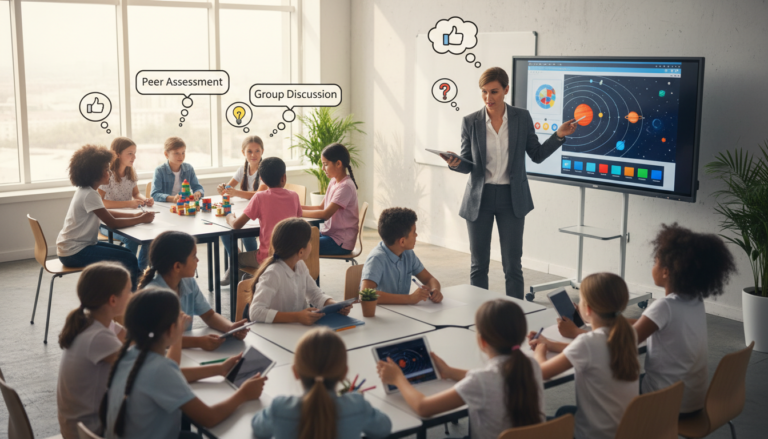
In today’s diverse educational landscape, the phrase "one size fits all" has become woefully outdated. Modern classrooms encompass a kaleidoscope of cultures, abilities, backgrounds, and learning styles. As educators strive to engage every student and boost academic achievement, understanding The Power of Differentiation: Meeting the Unique Needs of Each Learner emerges as an essential cornerstone of effective teaching.
Picture an orchestra, with each instrument contributing uniquely to create a harmonious symphony. Similarly, differentiation allows each learner to shine, contributing their distinct voice to the educational experience. This article delves deep into the myriad ways educators can harness the power of differentiation, ensuring they meet the unique needs of every student and create an inclusive environment that fosters growth and learning.
Understanding Differentiation
What is Differentiation?
Differentiation is a teaching philosophy rooted in the idea that students learn in various ways and at different paces. It involves modifying instruction, assessment, and learning environments to address the diverse needs of learners. The core premise rests on the belief that all students possess unique strengths and challenges—by recognizing and addressing these differences, educators can facilitate meaningful learning experiences.
Why is Differentiation Important?
The importance of differentiation lies in its potential to boost student engagement, motivation, and overall academic success. Research consistently shows that when instruction is tailored to fit learners’ varied needs, students are more invested in their education and show significant improvements in performance.
The Theoretical Foundations of Differentiation
Educational Theories Supporting Differentiation
Numerous educational theories support differentiation, including:
Constructivism: Advocating that learners construct knowledge through their experiences, it emphasizes the need for teaching methods accommodating individual pathways to understanding.
Multiple Intelligences Theory: Proposed by Howard Gardner, this theory posits that individuals possess different kinds of intelligences, underscoring the need for varied instructional strategies.
- Growth Mindset: Pioneered by Carol Dweck, this concept encourages viewing challenges and efforts as keys to development, making differentiation vital in helping students believe in their potential.
Differentiation Strategies for Unique Learners
1. Flexible Grouping
Flexible grouping allows students to work in various groups based on their needs, interests, or academic levels. Students benefit from collaborating with peers who might challenge them or offer support.
Case Study: Classroom 21 in Virginia
In Classroom 21, teachers implemented flexible grouping based on ongoing assessments and student interests. This strategy not only increased student engagement but also fostered a sense of community as learners collaborated and supported each other.
Table: Grouping Strategies
| Group Type | Characteristics | Benefits |
|---|---|---|
| Homogeneous Groups | Students of similar ability levels | Tailored instruction and pace |
| Heterogeneous Groups | Diverse abilities and backgrounds | Peer learning and social interaction |
| Interest-Based Groups | Based on students’ interests | Increased motivation and relevance |
2. Tiered Assignments
Tiered assignments allow educators to provide tasks at different levels of difficulty based on student readiness. This strategy promotes growth while ensuring that all learners engage with the same content.
Case Study: Math Differentiation in Florida
In a Florida math classroom, the teacher used tiered assignments to cater to varying skill levels. One student might tackle simpler problems focusing on fundamental concepts, while another works on complex, multi-step equations. This approach led to improved outcomes for all students, as evidenced by standardized test scores.
3. Choice Boards
A choice board is a visual representation of different tasks that students can choose from, allowing them to engage with content that meets their interests and learning preferences.
Case Study: Language Arts in Michigan
A Michigan high school used choice boards to engage students in reading comprehension. Students could select from several activities—like creating a podcast, writing a summary, or developing a visual presentation—allowing for deeper ownership of their learning experience.
4. Scaffolding Techniques
Scaffolding refers to providing structured support to help students achieve their learning goals. Educators can gradually remove this support as students gain confidence and skill, aligning with the concept of the “zone of proximal development.”
Visualization of Scaffolding Techniques
| Technique | Description |
|---|---|
| Modeling | Demonstrating a task before expecting students to do it |
| Guided Practice | Working collaboratively until students show independence |
| Feedback | Providing timely, specific feedback to guide student learning |
Creating an Inclusive Environment
Recognizing Learner Diversity
Understanding that learners come with diverse backgrounds, experiences, and abilities is paramount for successful differentiation. Educators must adopt culturally responsive teaching practices, ensuring that students from varied backgrounds feel valued and understood.
Building Relationships
Developing relationships with students fosters trust, which is essential for effective differentiation. When students feel seen and heard, they are more open to engaging with challenging material.
Promoting a Growth Mindset
Encouraging a growth mindset throughout the classroom motivates students to embrace challenges and view mistakes as learning opportunities.
The Role of Technology in Differentiation
Personalized Learning Platforms
Technology offers a wealth of resources for personalized learning. Students can learn at their pace through adaptive learning platforms that adjust content based on their performance.

Personalized learning platforms adapt to meet individual student needs, exemplifying The Power of Differentiation: Meeting the Unique Needs of Each Learner.
Interactive Tools and Gamification
Integrating interactive tools and gamification into lesson plans makes learning more engaging and allows students to progress based on their understanding.
Measuring the Impact of Differentiation
Assessing Effectiveness
To truly harness The Power of Differentiation: Meeting the Unique Needs of Each Learner, teachers must regularly assess the effectiveness of their strategies. Standardized assessments, formative assessments, and student feedback can offer valuable insights into instructional effectiveness.
Analyzing Student Engagement
Engagement metrics—like attendance records, participation in discussions, and completion rates—can indicate how well differentiation is working and whether adjustments are needed.
Conclusion
The landscape of education is ever-evolving, and the importance of differentiation cannot be overstated. The Power of Differentiation: Meeting the Unique Needs of Each Learner not only fosters a sense of belonging but also enhances academic success and personal growth. As educators navigate this journey, embracing a variety of strategies ensures that every student can reach their full potential.
Call to Action
Let us celebrate the unique strengths each student brings to the table. Embrace differentiation not as a challenge but as a powerful opportunity to unlock the potential within every learner. Together, we can create classrooms that reflect diversity, equity, and most importantly, transformative educational experiences.
FAQs
1. What is differentiation in education?
Differentiation is a teaching approach that tailors instruction to meet the diverse needs of learners, ensuring that each student’s unique abilities, interests, and learning styles are acknowledged and addressed.
2. Why is differentiation important?
Differentiation is crucial for fostering individual learning, promoting engagement, and improving academic success by recognizing that students learn in various ways and at different paces.
3. How can I incorporate differentiation in my classroom?
You can incorporate differentiation through strategies like flexible grouping, tiered assignments, choice boards, and scaffolding techniques, tailored to meet your students’ individual needs.
4. What role does technology play in differentiation?
Technology enhances differentiation by providing personalized learning experiences through adaptive learning platforms, interactive tools, and gamification, allowing students to progress at their own pace.
5. How do I measure the impact of differentiation?
You can measure the impact of differentiation through assessments, student engagement metrics, and feedback, helping you gauge the effectiveness of your strategies and make necessary adjustments.
6. What challenges might educators face with differentiation?
Challenges include time constraints, lack of resources, varying student readiness levels, and potential resistance from students who may be uncomfortable with change. However, with a supportive mindset and proactive strategies, these challenges can be addressed effectively.
About the Author