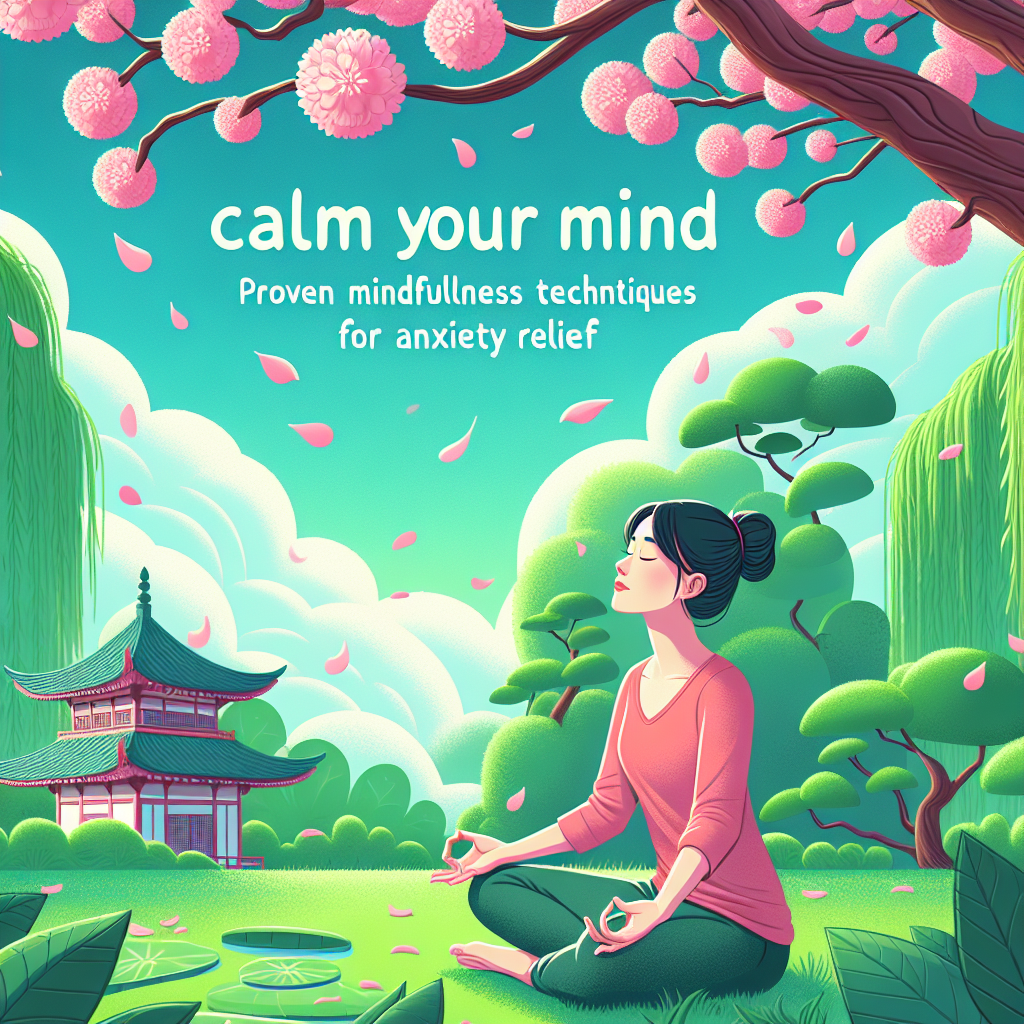
Calm Your Mind: Proven Mindfulness Techniques for Anxiety Relief
Introduction
In our fast-paced world, anxiety is becoming an all-too-familiar companion for many of us. Whether it’s the pressure of work deadlines, the uncertainties of life, or the constant buzz of social media, the weight on our shoulders can feel unbearable. But what if there was a way to find calm amidst the chaos? Enter mindfulness—a powerful tool designed to help you calm your mind and reclaim your peace. In this article, we will explore proven mindfulness techniques for anxiety relief that can transform your mental landscape, enhance your emotional well-being, and empower you to face life’s challenges with renewed strength.
What is Mindfulness?
Mindfulness is the practice of being present in the moment. It involves observing your thoughts, feelings, and sensations without judgment. This practice teaches you to navigate life’s storms with grace instead of becoming overwhelmed by them. When applied effectively, mindfulness has been shown to reduce anxiety, improve mood, and enhance overall well-being.
The Science Behind Mindfulness
Numerous studies have demonstrated the effectiveness of mindfulness in alleviating anxiety symptoms. Research published in the Journal of Anxiety, Stress & Coping found that individuals who practiced mindfulness-based stress reduction experienced significant decreases in anxiety levels. Furthermore, brain imaging studies have shown that mindfulness can physically alter the brain, strengthening areas responsible for emotional regulation while diminishing activity in the amygdala—our brain’s fear center.
Key Statistics
| Statistic | Value |
|---|---|
| 60% | Percentage of individuals with anxiety who benefit from mindfulness |
| 30% | Reduction in anxiety symptoms after an 8-week mindfulness program |
| 50% | Decrease in rumination in participants who practiced mindfulness |
Proven Mindfulness Techniques for Anxiety Relief
1. Mindful Breathing
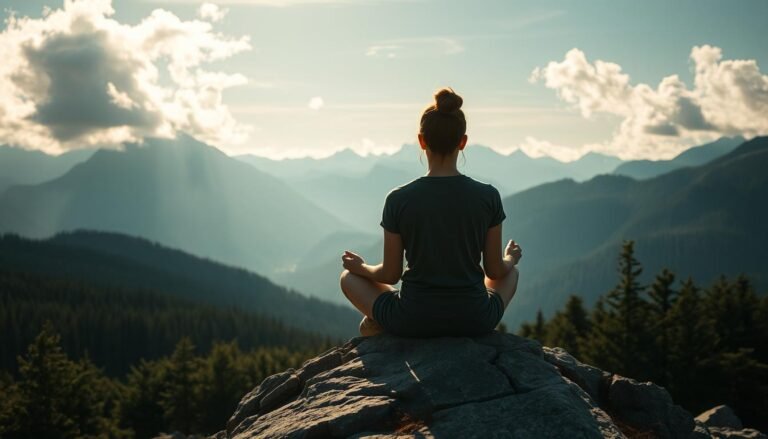
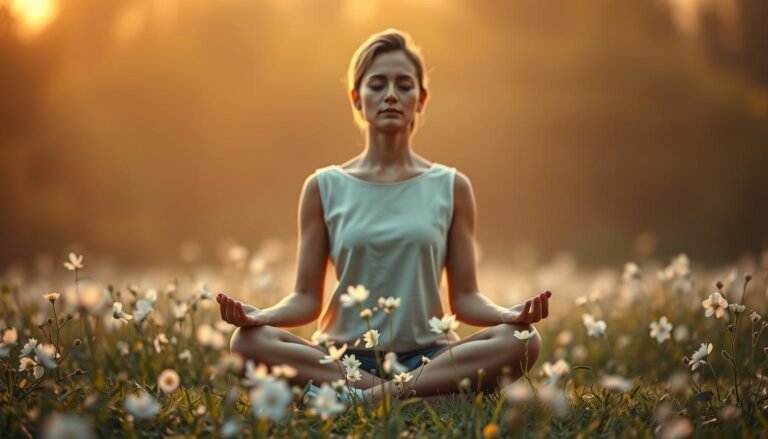
Description: Mindful breathing is one of the simplest yet most effective techniques to calm your mind. It involves focusing entirely on your breath, observing each inhalation and exhalation.
How to Practice:
- Find a quiet space and sit comfortably.
- Close your eyes and take a deep breath in through your nose for a count of four.
- Hold your breath for four counts.
- Exhale slowly through your mouth for six counts.
- Repeat this cycle for 5-10 minutes.
Case Study: Sarah’s Journey
Sarah, a 34-year-old marketing executive, struggled with anxiety due to her demanding job. After attending a mindfulness workshop, she made mindful breathing a daily practice. Within weeks, she reported feeling more centered and calm, significantly reducing her anxiety levels during stressful meetings.
2. Body Scan Meditation
Description: This technique involves mentally scanning your body from head to toe, paying attention to physical sensations and areas of tension.
How to Practice:
- Lie down in a comfortable position and close your eyes.
- Take a few deep breaths, then begin at the top of your head.
- Slowly move your attention down through your body, noticing any tension or discomfort.
- Acknowledge these sensations without judgment, then consciously release the tension as you breathe out.
Case Study: Raj’s Breakthrough
Raj, a 28-year-old graduate student, routinely experienced test anxiety. After integrating the body scan technique into his study routine, he felt remarkably more at ease during exams. By tuning into his body, he learned to release the built-up tension he carried, which contributed to his overall anxiety levels.
3. Mindful Walking
Description: This practice combines movement with mindfulness, allowing you to connect with your body and the environment.
How to Practice:
- Choose a peaceful place to walk.
- Focus on the sensations in your feet as they touch the ground.
- Pay attention to the rhythm of your steps and the sounds around you.
- If your mind wanders, gently bring it back to the present moment.
Case Study: David’s Transformation
David, a 45-year-old father of three, found that his mind raced with worries while juggling family and work responsibilities. He started mindful walking during his lunch breaks, which allowed him to clear his mind and feel re-energized. Over time, this simple exercise became his go-to method for anxiety relief.
4. Loving-Kindness Meditation
Description: This practice involves generating feelings of compassion and love towards yourself and others.
How to Practice:
- Sit comfortably and close your eyes.
- Begin by cultivating positive feelings towards yourself by repeating phrases such as “May I be happy, may I be healthy, may I be safe.”
- Gradually extend these sentiments to loved ones, acquaintances, and even those with whom you have conflicts.
Case Study: Emily’s Insight
When Emily, a 30-year-old therapist, faced compassion fatigue, she turned to loving-kindness meditation. By focusing on positive intentions for herself and others, she felt a profound shift. Her anxiety levels decreased, and her capacity for compassion increased, allowing her to better serve her clients.
5. Journaling
Description: Writing down your thoughts and feelings provides clarity and can be a powerful mindfulness tool.
How to Practice:
- Set aside a few minutes daily to write about your thoughts and emotions.
- Focus on the present moment and let your feelings flow onto the page without self-editing.
- Consider using prompts related to gratitude and mindfulness.
Case Study: Tom’s New Habit
Tom, a 22-year-old college student, struggled with anxiety and often felt overwhelmed by life changes. By journaling each night, he gained insight into his thoughts. The simple act of putting pen to paper helped him process his experiences and reduce anxiety.
Integrating Mindfulness into Daily Life
The beauty of mindfulness lies in its adaptability. These techniques can be woven seamlessly into your daily routine, from mindful eating during meals to practicing gratitude before bedtime. Here’s how to get started:
Quick Tips for Daily Mindfulness
- Start Small: Even a few minutes of mindfulness can make a difference.
- Set Reminders: Use your phone or sticky notes to remind you to practice mindfulness.
- Be Patient: Progress takes time; be gentle with yourself as you learn.
Conclusion
The journey to calming your mind and relieving anxiety through mindfulness is a powerful one. Armed with these proven mindfulness techniques for anxiety relief, you can navigate life’s challenges with greater resilience and grace. Remember, the path may have obstacles, but every small step towards awareness and presence is a victory. Embrace these techniques, and let them guide you to a more peaceful and fulfilling life.
FAQs
1. How long should I practice mindfulness daily?
Aim for at least 10-15 minutes daily to start, gradually increasing as you become more comfortable.
2. Can mindfulness really help reduce anxiety?
Yes, multiple studies have shown significant reductions in anxiety symptoms through consistent mindfulness practice.
3. What if my mind wanders during practice?
Wandering thoughts are completely normal. Gently guide your focus back to your breath or the present moment.
4. How can I stay motivated to practice mindfulness?
Setting a specific time for practice and tracking your progress can help maintain your motivation.
5. Are there any mindfulness apps that can assist me?
Yes, popular apps like Headspace, Calm, and Insight Timer offer guided meditations and resources for mindfulness practice.
By incorporating these techniques into your daily life, you can truly calm your mind and experience the anxiety relief you seek. Start today, and watch as mindfulness transforms your mental landscape for the better!
About the Author