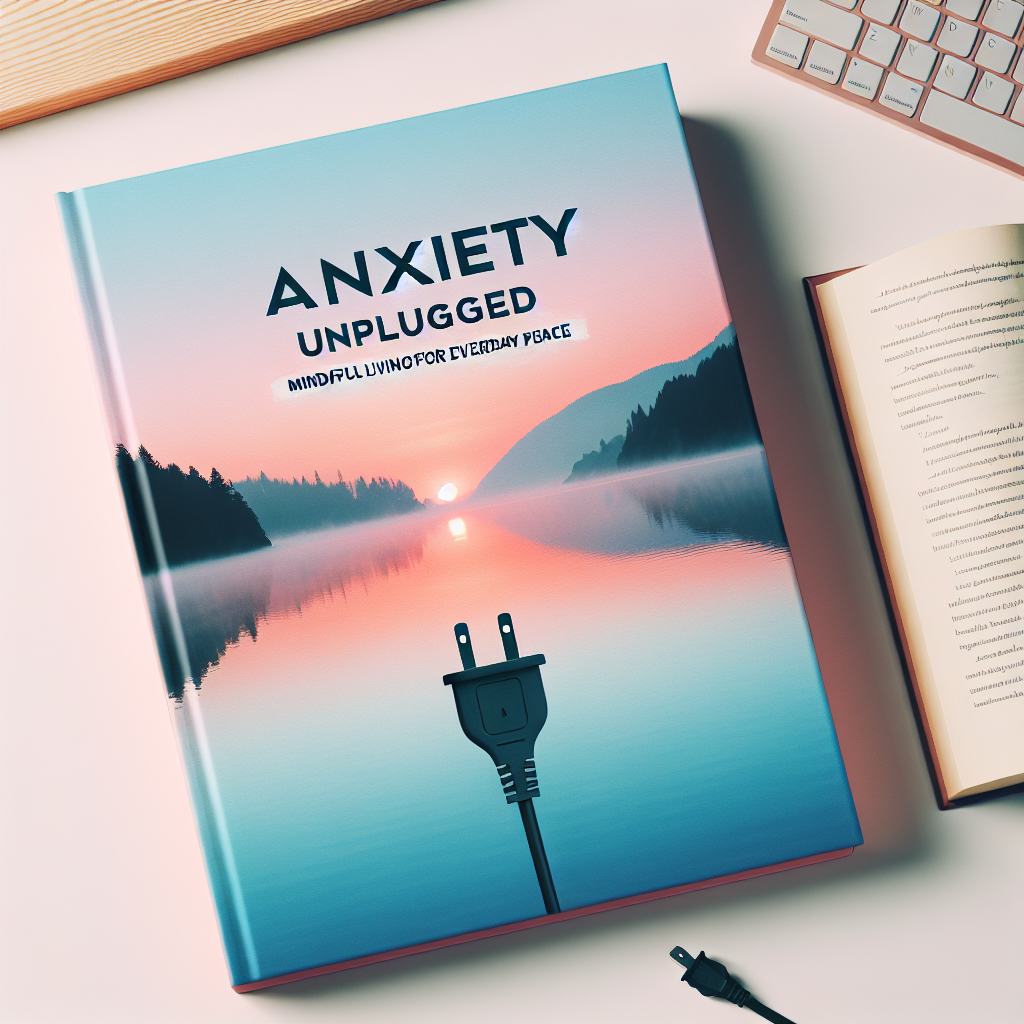
Anxiety Unplugged: Mindful Living for Everyday Peace
Introduction
In a world that moves at breakneck speed, the constant buzz of notifications, responsibilities, and social pressures can easily tip us into a state of anxiety. You may find yourself juggling a myriad of tasks, only to feel overwhelmed and disconnected. The phrase "Anxiety Unplugged: Mindful Living for Everyday Peace" serves as both a mantra and a guide, suggesting that through mindful living, we can reclaim our inner peace.
This article delves deep into how you can unplug from anxiety and cultivate mindfulness in your everyday life. By adopting practical techniques and incorporating powerful insights into your daily routine, you will find not only relief but also a richer, more fulfilling existence.
The Relationship Between Anxiety and Mindfulness
Understanding Anxiety
Anxiety is more than just a passing feeling; it manifests in various forms such as generalized anxiety disorder, social anxiety, and panic disorder. Often, these feelings arise from the perceived inability to cope with life’s challenges. According to the Anxiety and Depression Association of America, approximately 40 million adults in the United States suffer from some form of anxiety disorder.
A Mindful Approach
Mindfulness is the practice of being fully present in the moment, acknowledging your feelings and thoughts without judgment. It encourages awareness, acceptance, and compassion towards oneself. Incorporating mindfulness techniques can effectively mitigate anxiety levels, enabling you to enjoy life more.
Principles of Mindful Living
1. Awareness of the Present Moment
Staying grounded in the present moment helps to break the cycle of anxiety. Techniques such as deep breathing and body scans allow you to root yourself in reality. One case study illustrates the effectiveness of this method:
Case Study: Janelle’s Journey with Mindfulness
Janelle, a 34-year-old marketing manager, found herself drowning in anxiety as project deadlines loomed. An online course on mindfulness transformed her perspective. By practicing present moment awareness, she discovered that she could immensely reduce her anxiety during stressful workdays. As Janelle cultivated her ability to engage with the present, her productivity soared, and her stress levels decreased.
2. Non-Judgmental Acceptance
Acceptance doesn’t mean resignation; it encourages you to acknowledge your emotions without labeling them as good or bad. This principle can be exemplified through a simple mindfulness exercise:
Exercise: Sit quietly and focus on your breath for five minutes. Notice the thoughts that arise; instead of reacting, simply observe them. This practice reinforces the concept that thoughts are transient.
3. Gratitude and Positive Affirmations
Embracing gratitude can serve as an antidote to anxiety. A 2021 study published in the Journal of Happiness Studies found that individuals who incorporated gratitude exercises reported significantly lower anxiety levels.
4. Limiting Digital Distractions
In the age of technology, constant notifications can easily trigger feelings of anxiety. Committing to "screen-free" times can allow for reflection and mindfulness. Here’s how a simple table might help:
| Action | Impact on Anxiety |
|---|---|
| Turning off notifications | Decreased distractions |
| Engaging in hobbies | Increased fulfillment |
| Practicing self-care | Improved mental health |
By making small adjustments to your routine, you can create opportunities for mindfulness and reduce anxiety.
Habits to Foster Mindfulness Daily
1. Start Your Day with Intention
Creating a morning routine that incorporates mindfulness can set a positive tone for your day. Consider dedicating the first 10 minutes to meditation or journaling.
2. Mindful Eating
Eating may seem like a mundane activity, but it can be a powerful opportunity for mindfulness. Focus on the texture, taste, and smell of your food. This approach not only enhances your appreciation for meals but also fosters a sense of peace.
3. Nature Walks
Exposure to nature has been shown to lower anxiety levels significantly. An environmental psychology study found that individuals who spent time in natural settings reported substantial reductions in stress and anxiety.
4. Evening Wind-Down Ritual
Just as you begin your day with intention, create a calming evening routine. This could involve reading, meditative breathing, or light stretching before bed.
Case Studies Highlighting Mindful Living
Case Study: Mark’s Transformation
Mark, a 45-year-old teacher, was grappling with persistent anxiety that impacted his effectiveness in the classroom. After adopting a mindful living approach, including structured breathing exercises and gratitude journaling, he reported a calmer demeanor and increased focus during lessons. This not only enhanced his performance but also positively influenced his students.
Case Study: Lisa’s Family Journey
Lisa and her family faced escalating anxiety as work deadlines, school responsibilities, and social engagements piled up. They embraced mindfulness collectively, setting aside time each week for family activities centered on nature and gratitude. As a result, they reported stronger family bonds and lowered stress levels.
Creating a Mindful Environment
Transforming Your Space
Your physical environment significantly influences your mental state. A cluttered space can lead to a cluttered mind. Try implementing the following practices:
- Decluttering: Remove items that no longer serve you, creating a more serene environment.
- Incorporating Nature: Adding plants to your home can significantly reduce stress.
- Personalizing Your Space: Create a dedicated area for mindfulness practices like meditation.
Mindful Social Media Usage
Social media can either connect us or amplify our anxieties. To combat this:
- Limit time spent on social platforms.
- Unfollow accounts that trigger negative feelings.
- Focus on engaging meaningfully with content that uplifts you.
Conclusion
In a world rife with distractions and pressures, adopting "Anxiety Unplugged: Mindful Living for Everyday Peace" is an empowering choice. Mindfulness offers a roadmap to navigate the complexities of life, paving the way for emotional regulation and tranquility. You have the tools at your disposal to reclaim your peace of mind—are you ready to unplug from anxiety?
As you embark on your mindful journey, remember the importance of self-compassion. It’s perfectly normal to encounter hurdles; what matters is your commitment to persist.
FAQs
1. What is the primary goal of mindful living?
Mindful living aims to cultivate awareness and presence in our daily activities, reducing anxiety and promoting mental peace.
2. How does mindfulness reduce anxiety?
By training individuals to focus on the present moment rather than worry about the future or dwell on the past, mindfulness helps deter anxious thoughts.
3. Can mindfulness be practiced in short bursts?
Absolutely! Even a few minutes of focused breathing or present-awareness exercises can yield significant benefits.
4. How often should I practice mindfulness?
Consistency is key, even if it’s just a few minutes daily. Consider integrating mindfulness practices into your routine as they become comfortable.
5. Can anyone practice mindfulness, regardless of their background?
Yes! Mindfulness is accessible to everyone and can be adapted to fit various lifestyles and beliefs.
By following these insights and encouraging mindfulness, we can all navigate our lives more peacefully, embracing each moment with clarity and calm. Let’s choose to unplug from anxiety and cultivate a fulfilling, mindful existence!
About the Author