How Behavioral Psychology Can Predict the Next Big Trend in Consumer Purchases: The Ultimate Guide
Introduction
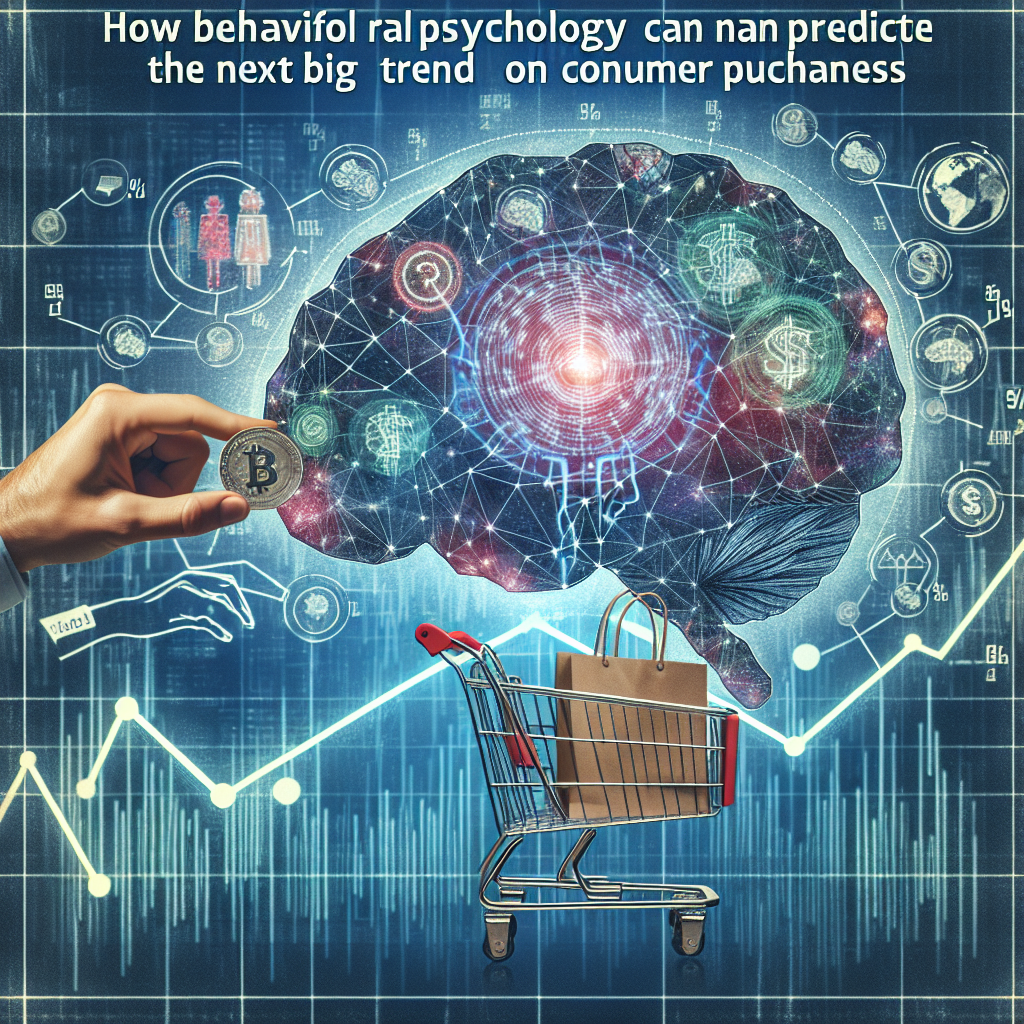
Imagine a world where businesses can not only anticipate what customers will buy next but also why they make those choices. Behavioral psychology emerges as a game-changer in this scenario, providing powerful insights into consumer decision-making. In today’s fast-paced market, understanding how consumers think and behave can empower brands to stay ahead of emerging trends. In this article, we’ll dive deep into how behavioral psychology can predict the next big trend in consumer purchases, showcasing unique case studies, practical applications, and actionable insights that brands can leverage to innovate and thrive.
The Intersection of Behavioral Psychology and Consumer Behavior
Understanding Behavioral Psychology
Behavioral psychology explores the relationship between individuals’ thoughts, emotions, and behaviors. By understanding these elements, businesses can decode consumer preferences and predict purchasing behaviors. This science encompasses various theories, including:
- Cognitive Dissonance Theory: Explains how conflicting beliefs influence consumer choices.
- Nudge Theory: Suggests subtle prompts can lead individuals to make decisions that align with their long-term goals.
- Social Proof: Impacts consumer behavior by showcasing how others’ choices influence an individual’s decisions.
Why Predicting Trends Matters
In a saturated market, identifying upcoming trends before they become mainstream can provide a significant competitive edge. Companies that leverage insights from behavioral psychology can adapt their offerings and marketing strategies promptly. With research indicating that consumer preferences are more volatile than ever, businesses must harness these insights to align themselves with the evolving marketplace.
Key Principles of Behavioral Psychology in Consumer Trends
1. The Role of Emotions in Decision-Making
Emotions play a pivotal role in driving consumer decisions. Brands that evoke positive feelings can cultivate stronger connections with their customers. For instance, when Apple launched its “Think Different” campaign, it appealed to consumers’ emotions by positioning its products as tools for creativity and innovation.
2. The Influence of Social Norms
When individuals see their peers adopt new brands or products, they are more likely to follow suit. This phenomenon underscores the importance of social proof in marketing strategies. For example, when social media influencers endorse a product, their followers are more inclined to purchase out of a desire to conform.
Table 1: Influence of Social Norms on Consumer Purchases
| Social Proof Element | Impact on Purchase Decision (%) |
|---|---|
| Influencer Endorsement | 60% |
| Peer Recommendations | 50% |
| Celebrity Endorsements | 30% |
3. The Power of Scarcity
FOMO (Fear of Missing Out) is one of the most potent motivators for consumers. When products are marketed as limited or exclusive, it triggers urgency, compelling customers to purchase quickly. A case in point is the success of companies like Nike, which often releases limited-edition sneakers that sell out within minutes.
Case Study: Nike’s Scarcity Marketing Strategy
Nike’s strategy of releasing limited edition sneakers has created a culture of exclusivity. By leveraging scarcity, Nike not only boosts sales but also creates a hype that translates into substantial brand loyalty.
Analysis: Nike’s approach illustrates the effectiveness of nudging consumer behavior by triggering emotional responses tied to scarcity, demonstrating how behavioral psychology can predict the next big trend in consumer purchases.
Real-World Applications of Behavioral Insights
Case Study: Coca-Cola’s Personalization Campaign
Coca-Cola’s “Share a Coke” campaign exemplified how behavioral psychology can predict the next big trend in consumer purchases by tapping into personal emotional connections. By replacing its iconic logo with common names, Coca-Cola created a sense of personalization and belonging.
Results: The campaign saw a significant uptick in sales, demonstrating how personal touches can enhance consumer interaction.
How Social Media Shapes Trends
Platforms like Instagram and TikTok have fundamentally changed how trends emerge. For example, hashtags can ignite viral trends overnight, driven by social proof and influencer partnerships. Understanding how these platforms operate can help brands predict which products will fly off the shelves next.
Predictive Analytics in E-commerce
E-commerce platforms are increasingly employing predictive analytics, powered by behavioral psychology, to forecast demand. By analyzing past purchase behaviors and consumer engagement data, businesses can curate personalized shopping experiences, ensuring they meet consumer desires before they even articulate them.
Chart 1: Predictive Analytics Impact on Sales Growth
| Year | Estimated Sales Growth (in %) |
|---|---|
| 2020 | 15% |
| 2021 | 25% |
| 2022 | 35% |
The Future: AI and Behavioral Insights
As technology advances, the intersection of AI and behavioral psychology holds immense potential for predicting consumer purchases. AI algorithms can digest vast amounts of consumer data to identify patterns, preferences, and trends with remarkable accuracy.
The Role of Chatbots
Chatbots leverage behavioral psychology principles by providing personalized interactions with consumers. These bots can analyze user inputs and navigate conversations based on established psychological insights, resulting in a smoother customer journey and higher conversion rates.
Case Study: Sephora’s Virtual Artist Chatbot
Sephora’s chatbot uses advanced algorithms to suggest products based on consumer preferences. This helps consumers visualize products and boosts sales through personalized recommendations.
Analysis: This technological integration showcases how behavioral psychology can be used in tandem with AI to improve consumer interactions and predict upcoming trends effectively.
Conclusion
Understanding how behavioral psychology can predict the next big trend in consumer purchases isn’t just beneficial; it’s essential for businesses aiming to thrive in a competitive market. By leveraging emotional connections, social norms, scarcity, and advanced technology, brands can navigate consumer behaviors with greater precision than ever before.
As we move forward, it’s crucial for businesses to remain attuned to the shifting landscape of consumer psychology. By doing so, they can adapt their strategies and products accordingly, ensuring they not only keep pace with market trends but also set them.
FAQs
1. What is behavioral psychology, and how does it relate to consumer behavior?
Behavioral psychology studies how individuals’ emotions, thoughts, and societal influences guide their behaviors, directly impacting consumer purchasing decisions.
2. How can businesses apply behavioral psychology to their marketing strategies?
Businesses can apply behavioral principles by evoking emotions, utilizing social proof, creating scarcity, and personalizing customer experiences.
3. What are some effective ways to utilize social proof in marketing?
Brands can use testimonials, influencer promotions, and user-generated content to showcase how others enjoy their products, ultimately encouraging new purchases.
4. Why is emotional marketing important?
Emotional marketing creates strong connections between consumers and brands, enhancing loyalty and increasing the likelihood of repeat purchases.
5. How can predictive analytics improve my business sales?
Predictive analytics can help businesses identify and anticipate consumer trends by analyzing purchasing patterns and preferences, allowing for tailored marketing efforts.
By focusing on these insights and strategies, marketers can not only understand but also anticipate the whims of consumers, paving the way for visionary brands that lead rather than follow in the marketplace.
About the Author