Beyond Words: Essential Non-Verbal Communication Tips to Strengthen Your Bond
Introduction
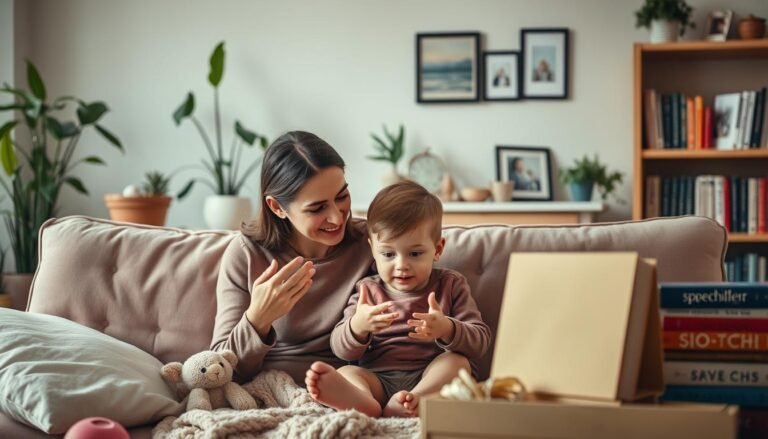
In a world rife with daily distractions, effective communication goes far beyond mere words. While verbal exchanges form the backbone of our conversations, it’s often the silent cues—the gestures, expressions, and body language—that communicate our true feelings and intentions. The ability to interpret these non-verbal signals can dramatically strengthen your bonds with others, whether they are friends, family members, or colleagues.
Understanding non-verbal communication is not just an art; it’s an essential skill that can deepen relationships and foster empathy. Beyond Words: Non-Verbal Communication Tips to Strengthen Your Bond is your gateway to mastering this vital skill, enhancing your social interactions, and creating lasting connections.
Let’s dive into the profound impact of non-verbal communication and discover practical tips and strategies that can transform how you connect with others.
The Power of Non-Verbal Signals
Defining Non-Verbal Communication
Non-verbal communication encompasses various forms of expression that do not involve spoken or written words. This includes facial expressions, gestures, posture, eye contact, and even the physical space we maintain with others. In fact, research reveals that approximately 93% of communication effectiveness is determined by non-verbal cues.
| Communication Type | Percentage Impact |
|---|---|
| Non-Verbal Communication | 93% |
| Verbal Communication | 7% |
Why It Matters
- Trust and Relationship Building: Non-verbal cues can enhance trust, making interactions feel more authentic.
- Conflict Resolution: Reading body language can help de-escalate tensions during disagreements.
- Emotional Connection: Expressions often convey feelings that words struggle to articulate, creating a stronger emotional bond.
Key Non-Verbal Signals to Master
1. Body Language: The Foundation of Non-Verbal Communication
Your body language plays a pivotal role in how your messages are received. Adopting an open posture (arms uncrossed, leaning slightly forward) can signal receptiveness and warmth, whereas closed body language suggests defensiveness.
Case Study: The Café Encounter
Imagine two friends meeting at a café. One arrives with crossed arms, looking down at their phone, while the other greets them with an open stance and direct eye contact. The latter is more likely to foster a positive atmosphere for dialogue.
Analysis: This case shows the importance of aligning body language with intention. Open body language invites conversation, while closed off poses can create barriers.
2. Facial Expressions: The Window to Our Emotions
Facial expressions convey a wealth of information. A simple smile can uplift the mood of a conversation, while raised eyebrows can express surprise or skepticism. Understanding these nuances can aid in interpreting others’ feelings more accurately.
3. Eye Contact: Building Connection
Proper eye contact demonstrates confidence and interest. However, while too much can feel invasive, too little can indicate disinterest. The secrets lie in balance and cultural context; different cultures have varying norms around eye contact.
4. Proximity: The Unspoken Space Between Us
The physical distance we maintain can signal levels of comfort or familiarity. People tend to stand closer to those they feel emotionally close to. Understanding personal space preferences is crucial, especially in multicultural contexts.
Table: Ideal Proxemics in Different Cultures
| Culture | Personal Space (Feet) |
|---|---|
| North America | 1.5 – 3 |
| Latin America | 1 – 2 |
| Japan | 3 – 4 |
Strengthening Bonds Through Non-Verbal Communication
1. Active Listening: Being Present
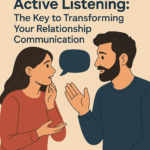
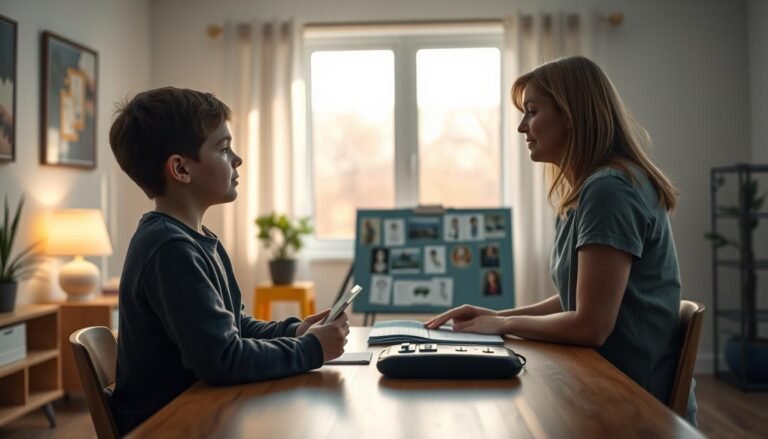
Active listening entails fully concentrating on the speaker, which is often reflected in non-verbal actions like nodding and maintaining eye contact. This not only makes the speaker feel valued but also strengthens the connection.
Case Study: The Office Conflict
Imagine a team meeting where one member is visibly frustrated. Instead of interrupting, a colleague maintains eye contact and nods reassuringly as the frustrated member speaks. This creates a bridge, enhancing trust within the team.
2. Mirroring: A Subtle Bonding Technique
Mirroring the body language of others can create rapport and show empathy. Subtle mimicry of gestures or postures can facilitate goodwill and understanding during interactions.
3. Tailoring Your Non-Verbal Cues
Recognizing the situation and the individual in front of you can help you tailor your non-verbal communication effectively. For a heartfelt conversation, softer gestures and closer proximity may be appropriate, while a professional setting might require formality.
Overcoming Non-Verbal Communication Barriers
Cultural Differences
Understanding that non-verbal cues can vastly differ across cultures is vital in avoiding misunderstandings. For instance, a thumbs-up may signify approval in one culture but be offensive in another.
Emotional Barriers
Anxiety or stress can obstruct effective non-verbal communication. Learning techniques to ease these emotions can aid in more authentic expressions.
Conclusion
Non-verbal communication is a powerful tool for enhancing your relationships. By embracing the Beyond Words: Non-Verbal Communication Tips to Strengthen Your Bond, you can unlock deeper connections and greater understandings of those around you.
Actionable Insights
- Practice Active Listening: Focus on the speaker, using your body language to show engagement.
- Observe Others: Pay attention to their non-verbal cues to better understand their emotions.
- Be Mindful of Your Signals: Reflect on your body language in various situations to ensure it aligns with your intentions.
Motivational Takeaway
Every interaction presents an opportunity to connect beyond words. By mastering non-verbal communication, you can create richer, more meaningful bonds that contribute positively to your social landscape.
FAQs
1. What is non-verbal communication?
Non-verbal communication involves transmitting messages without words, using body language, gestures, facial expressions, and eye contact.
2. How can I improve my non-verbal communication skills?
You can improve by being aware of your body language, practicing active listening, and observing others to understand their signals better.
3. Why is non-verbal communication important?
It plays a crucial role in expressing emotions, building trust, and enhancing relationships. Most of our interactions are influenced by these cues.
4. Can cultural differences affect non-verbal communication?
Absolutely! Different cultures have varying meanings for the same gestures or expressions. Understanding these nuances is essential for effective communication.
5. How can I identify my own non-verbal cues?
You can record yourself in conversations or seek feedback from trusted friends to gain insights into your body language and facial expressions.
By embracing the concepts discussed in Beyond Words: Non-Verbal Communication Tips to Strengthen Your Bond, you are well on your way to enriching your relationships and conveying warmth, understanding, and connection without uttering a single word.
About the Author