How has India kept its vast cultural heritage alive for millennia? The answer is in the diverse ways traditional knowledge has been passed down. India’s Indigenous Knowledge Systems (IKS) are a unique blend of human experiences and knowledge.
Knowledge in India is split into literary and non-literary forms. Literary traditions include ancient Sanskrit texts and works from Buddhism and Jainism. These texts are key to understanding indigenous knowledge today.
Non-literary traditions, like oral stories and performing arts, are also important. These traditions are alive in today’s India. Together, these six areas help us see how traditional wisdom has endured and evolved over time.
Key Takeaways
- Indigenous knowledge exists in both written manuscripts and living oral traditions that complement each other
- Literary traditions include Sanskrit texts, Buddhist-Jain works, and regional language literature spanning millennia
- Non-literary knowledge encompasses folk stories, performing arts, rituals, and hands-on craft techniques
- The six-category framework provides a systematic approach to understanding knowledge preservation in India
- Written and experiential forms of knowledge represent a holistic epistemological tradition beyond Western classifications
- Community memory transmission continues to function as a vital repository of cultural heritage today
Understanding Indigenous Knowledge Systems (IKS)
Indigenous Knowledge Systems come from the experiences of communities. They have learned about their world over many generations. These systems are more than just information; they are ways to understand, solve problems, and pass on wisdom.
IKS offers new ways to think about knowledge. Unlike Western methods, it values direct experience and shared memory. This is key when we look at how different cultures view education, health, and the environment.
To truly understand IKS, we need to dive deep. It’s not just about traditional practices. It’s about the deep wisdom that has helped communities thrive for centuries.
What Indigenous Knowledge Systems Truly Represent
Indigenous Knowledge Systems are a deep body of knowledge. They were built by indigenous communities over generations. This knowledge is different from Western ways of understanding the world.
IKS focuses on understanding everything together. Western science breaks knowledge into parts. But IKS sees the world as connected, including nature, society, and spirit.
Classifying IKS needs to be thorough and organized. It must be complete, compact, and show how everything is connected. This helps us see the world in a holistic way.
There are two main ways to organize IKS:
- Topic-based approach: This method groups knowledge into areas like Vedas and Ayurveda. It shows how these areas are connected.
- Thematic approach: This method groups knowledge by themes like Indian Psychology. It highlights common ideas across different practices.
- Experiential validation: IKS values knowledge tested in real life. It’s not just theory.
- Community-based construction: Knowledge is built together, not by one person. It serves the community, not just individuals.
These methods work together to give us a full understanding. The topic-based method gives us details. The thematic approach shows connections. Together, they show how traditional knowledge is both precise and flexible.
Why IKS Matters in Contemporary India
IKS is important today, not just for history. It helps India face challenges while keeping its cultural heritage alive.
Educating people is a big part of IKS’s value. It teaches students about India’s rich culture and achievements. This builds pride and challenges the idea that indigenous knowledge is less valuable.
IKS also teaches important values like truth and respect. These values come from real-life experience, not just theory. They help people grow personally and socially.
| IKS Contribution | Contemporary Application | Measurable Impact |
|---|---|---|
| Sustainable Agriculture | Traditional farming practices adapted to local ecology | Reduced chemical inputs, enhanced soil health, climate resilience |
| Healthcare Systems | Ayurveda and traditional medicine integration | Accessible treatment options, preventive health approaches |
| Environmental Management | Sacred groves and traditional conservation practices | Biodiversity preservation, ecosystem restoration |
| Social Organization | Community-based governance and conflict resolution | Enhanced social cohesion, localized decision-making |
IKS offers new ways to solve today’s problems. It can help with environmental issues, social problems, and spiritual disconnection. It focuses on balance and long-term thinking.
Keeping languages alive is also key. Many indigenous knowledge systems are in endangered languages. Saving these languages helps protect the knowledge and unique views they carry.
Cultural Dimensions and Heritage Transmission
IKS is deeply rooted in culture. It shows the values, beliefs, and beauty of Indian identity. It’s not just about old practices.
IKS ensures knowledge is passed down through stories, rituals, and apprenticeships. This keeps knowledge alive and evolving. It’s a way of teaching that values experience and community.
This teaching method is very effective. It uses many ways to learn, not just books. Children learn by doing and watching, becoming part of the knowledge tradition.
IKS is not just about preserving the past. It’s about using tradition to face today’s challenges. It adapts to change while keeping its core values.
IKS also strengthens community bonds. Shared knowledge brings people together, across ages. Elders are respected for their knowledge, and younger people learn about their culture.
IKS values the well-being of all, not just economic growth. It looks at the world in a holistic way. This approach offers a better way to progress, one that is sustainable and humane.
The beauty of IKS is also important. Traditional art and music are part of its knowledge. They show how knowledge can create beauty and enrich our lives.
Textual Sources of IKS
Indigenous Knowledge Systems have a rich written history. From sacred scriptures to practical manuals, these texts hold centuries of wisdom. They are preserved through manuscript traditions across India.
These written records connect us to our ancestors’ knowledge. They allow scholars and practitioners to access insights that might have been lost.
In India, literary sources are divided into three main categories. The first includes Sanātana Dharma Literature, based on Vedas and Sanskrit texts. The second covers literature from Buddhism and Jainism. The third is regional texts in Indian languages, full of practical knowledge.
Historical Texts Documenting IKS
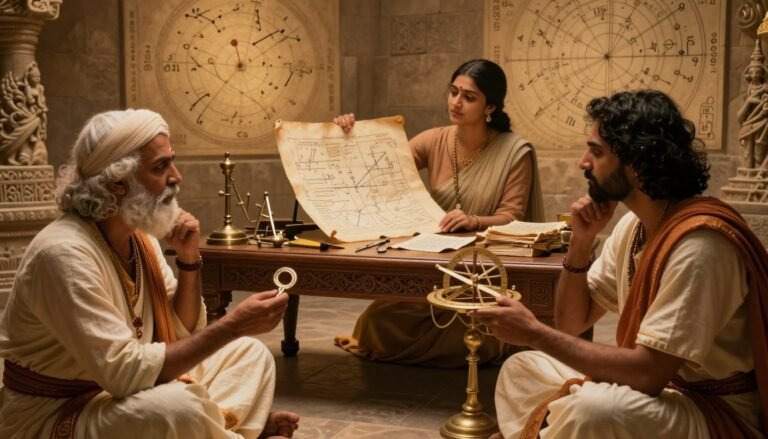
Ancient manuscripts are key to understanding Indigenous Knowledge Systems. The Vedic corpus, including Ṛgveda, Yajurveda, Sāmaveda, and Atharvaveda, is the oldest written knowledge in Sanātana Dharma. These texts hold spiritual insights, botanical knowledge, astronomical observations, and social frameworks.
The Vedāṅgas, auxiliary Vedic literature, expand this knowledge. They cover phonetics, grammar, prosody, etymology, astronomy, and ritual procedures. Each Vedāṅga documents practical knowledge essential for Vedic teachings.
The śāstric tradition includes many knowledge domains through specialized treatises. Dharmaśāstras document legal codes and ethical principles. Arthaśāstra covers political economy and statecraft. Scientific treatises, like Ayurvedic samhitās, cover mathematics, astronomy, and medicine.
Architectural knowledge is found in Vāstu śāstras. Aesthetic principles are treated in texts like Nāṭyaśāstra on performing arts. These texts show the wide scope of indigenous knowledge.
Buddhist canonical literature in Pāli and Sanskrit is another major tradition. The Tripiṭaka preserves teachings and monastic regulations. Jain Āgamas and philosophical texts document knowledge traditions alongside Vedic ones.
Regional language literature is vast and often overlooked. Devotional poetry in languages like Tamil, Telugu, and Bengali preserves cultural values. Folk narratives document local customs and wisdom. Practical manuals on agriculture and craftsmanship exist across regions.
| Textual Category | Primary Sources | Knowledge Domains | Language Medium |
|---|---|---|---|
| Vedic Literature | Four Vedas, Vedāṅgas | Ritual, astronomy, grammar, philosophy | Sanskrit |
| Śāstric Texts | Dharmaśāstras, Arthaśāstra, Ayurveda | Law, politics, medicine, architecture | Sanskrit |
| Buddhist Canon | Tripiṭaka, Mahāyāna Sūtras | Philosophy, ethics, meditation practices | Pāli, Sanskrit |
| Regional Literature | Devotional poetry, folk narratives | Cultural practices, local knowledge | Tamil, Telugu, Bengali, others |
Modern Literature on Indigenous Practices
Today, scholars document and interpret indigenous practices for modern readers. Ethnographic studies have recorded traditional knowledge systems over the past century. These projects create written records of knowledge for wider audiences.
Digital humanities have changed how we study indigenous knowledge. Digitization projects share ancient manuscripts worldwide. Searchable databases help compare texts across traditions.
Anthropological research adds context to textual analysis. Scholars study how texts relate to community practices. This approach shows the gap between ideal texts and real practices.
Academic journals and monographs publish studies on Indigenous Knowledge Systems. They analyze agricultural techniques, medicine, architecture, and art. This scholarship makes knowledge accessible to practitioners and policymakers.
Preserving textual knowledge means more than just saving manuscripts. It involves interpreting them for today’s world.
Working with ancient texts is challenging. The language and terminology are archaic. Researchers must understand cultural assumptions in texts. They must also distinguish between ideals and actual practices.
Critical examination is key when analyzing texts. Many texts reflect elite views and may not represent community knowledge. Written records are just one part of Indigenous Knowledge Systems.
Today, documenting knowledge involves community participation. Indigenous communities help record their knowledge. This ensures that documentation serves community interests.
Combining traditional knowledge with modern science opens new possibilities. Researchers validate and extend traditional medicine and architecture through modern methods. This integration leads to innovation.
Oral Sources of IKS
Before written records, oral methods kept India’s rich Indigenous Knowledge Systems safe. These oral traditions are complex ways to share knowledge across generations. They carry cultural wisdom, practical skills, and ecological knowledge through structured communication.
Rural and tribal communities in India have strong oral knowledge traditions. These traditions adapt to local needs while keeping core principles. Oral knowledge stays relevant as communities face new challenges.
Unlike written texts, oral knowledge evolves through interpretation. Community members check and refine information through shared memory. This ensures knowledge stays accurate and useful today.
Mechanisms of Oral Knowledge Preservation
Oral traditions use special structures to keep knowledge safe for centuries. Mnemonic devices help remember complex information without written records. These tools include rhythmic patterns and narrative frameworks that aid in retention.
The guru-śiṣya paramparā (teacher-student lineage) shows a systematic way of learning. This method ensures knowledge is passed on correctly. Students learn through repeated practice and feedback.
Repetition is key in oral learning. Teachers guide students through repeated recitations. This method strengthens recall and helps learners understand complex concepts.
Practical application makes abstract knowledge useful. Elders show how principles work in real life. Students learn by observing and practicing in authentic settings.
Embodied practice combines physical actions with verbal instruction. Skills like craft knowledge and agricultural techniques are passed on through demonstration. The body holds skills that words can’t fully convey.
Community validation keeps knowledge true. Recognized knowledge bearers ensure information is correct. Their expertise prevents knowledge from getting distorted as it moves through generations.
The lack of written knowledge about IKS poses challenges for modern education. Yet, this highlights the sophistication of oral systems. These traditions managed complex information long before literacy became widespread.
Several forms of oral transmission exist across Indian communities:
- Folk stories and songs that encode practical wisdom and moral teachings
- Performing arts and rituals combining movement, music, and narrative
- Craft knowledge and practices shared through apprenticeship models
- Community memory and transmission maintained through collective participation
Narrative Techniques for Knowledge Transfer
Storytelling is a key way to share Indigenous Knowledge Systems. Narratives embed practical information in engaging structures. They carry ecological wisdom, social norms, and ethical principles.
Mythological narratives, or purāṇic tales, help understand complex concepts. These stories illustrate principles through characters and plots. Listeners gain deeper understanding as they listen more.
Local legends connect communities to their land and history. These stories explain why certain practices exist. Origin stories validate current customs by linking them to revered ancestors.
Cautionary tales teach through negative examples and consequences. These stories warn against dangerous behaviors. The emotional impact of narratives makes lessons memorable.
Performance traditions combine entertainment with education. Kathakali, harikatha, and regional folk narrative styles integrate dance, music, and spoken word. These experiences engage multiple senses and enhance learning.
The following table compares different oral transmission methods used across India:
| Transmission Method | Primary Function | Knowledge Types | Regional Examples |
|---|---|---|---|
| Ritual Recitation | Religious and ceremonial knowledge preservation | Sacred texts, mantras, ritual procedures | Vedic chanting in Tamil Nadu, ritual songs in Northeast India |
| Folk Narratives | Cultural values and practical wisdom transmission | Moral teachings, ecological knowledge, social norms | Pandavani in Chhattisgarh, Burrakatha in Andhra Pradesh |
| Apprenticeship Teaching | Skill and craft knowledge transfer | Technical procedures, material properties, aesthetic principles | Pottery traditions in Rajasthan, weaving techniques in Assam |
| Community Gatherings | Collective memory maintenance and decision-making | Historical events, resource management, conflict resolution | Gram sabha discussions, tribal council proceedings |
Today, challenges threaten the survival of oral traditions in India. Language endangerment and generational disconnection are major concerns. Younger people moving to cities often lose touch with traditional knowledge bearers.
Urbanization disrupts community structures that support knowledge sharing. Formal education often values written texts over oral knowledge. This pressure can lead to abandoning traditional learning methods.
Oral tradition documentation efforts aim to preserve endangered knowledge systems. Audio-visual technologies capture performances and interviews. Community-based archiving projects involve indigenous peoples in recording their own knowledge.
Collaborative research respects intellectual property rights while documenting knowledge. These approaches recognize indigenous agency in knowledge representation. Ethical documentation protects sensitive information while making it accessible for education.
Folk Sources of IKS
In villages across India, folk knowledge keeps generations of wisdom alive. These sources are not found in schools but in everyday life. They share cultural understanding through stories and songs, making knowledge accessible to all.
Folk wisdom is different from school knowledge. It’s passed down through stories, songs, and ceremonies. This way, everyone learns important lessons in their daily lives. Communities adapt these traditions to fit their local needs, making them diverse.
Folk knowledge changes but keeps its core values. Each new generation updates old wisdom to fit today’s world. This makes folk traditions strong and able to withstand change.
Stories That Teach and Transform
Stories in communities teach us a lot. They mix fun with learning, something schools often miss. These stories help us remember important lessons for years.
Stories about farming teach us about nature and working together. They share tips on growing crops and managing pests. These stories make learning about nature fun and easy to remember.
Medicine is also taught through stories. Tales about healers and plants teach us about health. These stories keep important health knowledge alive, even as languages and communities change.
Moral lessons are taught through stories too. These stories show us the value of working together and being kind. They help us learn important life lessons in a way that sticks with us.
Stories vary by region, showing the unique cultures and environments of India. Coastal areas share stories about the sea, while mountain villages talk about forests. This makes the knowledge more relevant to each place.
| Folk Knowledge Type | Primary Function | Transmission Method | Knowledge Domain |
|---|---|---|---|
| Narrative tales | Encode practical wisdom | Oral performance | Agriculture, medicine, ethics |
| Folk songs | Mark temporal cycles | Communal singing | Seasonal activities, rituals |
| Proverbs | Condense experience | Daily conversation | Social wisdom, practical advice |
| Riddles | Develop analytical thinking | Playful exchange | Observation skills, logic |
Ceremonial Practices as Knowledge Systems
Rituals and customs teach us through action, not words. They share knowledge about nature and community. Rituals create strong memories that words alone can’t match.
Ceremonies mark important times in farming, like planting and harvest. They teach us when to do things and how to share. This makes learning about farming a part of celebrating life.
Life events like weddings and coming-of-age ceremonies teach us about family and community. They show us how to connect and support each other. These events help us understand our place in the world.
Everyday customs teach us about health and home. They share knowledge about food and cleanliness in a way that feels natural. This keeps important health tips alive in our daily lives.
Folk knowledge is all-encompassing, blending practical, social, and spiritual aspects. A single event can teach us about work, community, and nature. This shows a deep understanding of our needs and the world around us.
Performing arts like dance and music are key to folk knowledge. They teach us skills and stories through beauty and movement. These arts engage everyone, no matter their reading skills.
Crafts like pottery and weaving are passed down through hands-on learning. This method keeps technical skills alive without needing written instructions. It shows how folk knowledge preserves complex skills in a simple way.
Regional Sources of IKS
The subcontinent’s diverse landscapes have fostered distinct regional indigenous practices. These practices embody centuries of environmental adaptation. India’s geographical expanse, from the Himalayan peaks to coastal plains, has generated remarkable diversity in Indigenous Knowledge Systems.
Each region’s unique environmental conditions, historical trajectories, and cultural identities have shaped specialized knowledge traditions. These traditions reflect local wisdom and adaptive strategies.
Regional variations in IKS represent more than simple geographical differences. They constitute complex adaptive systems where communities have developed sophisticated responses to specific environmental challenges. These regional indigenous practices are encoded in local languages, preserved through community institutions, and transmitted across generations through culturally specific mechanisms.
The interplay between geography, culture, and knowledge creation forms the foundation for understanding how regional sources contribute to India’s overall IKS landscape. This section examines the state-level variations and the profound influence of ecological contexts on knowledge development.
State-Specific Knowledge Traditions and Linguistic Diversity
Each Indian state maintains distinctive knowledge systems shaped by local environmental conditions and historical developments. Kerala exemplifies this regional specialization through its sophisticated Ayurvedic traditions and martial art form Kalaripayattu. The state’s tropical climate and abundant medicinal plant diversity have enabled the development of specialized healing practices that differ significantly from northern approaches.
The knowledge is documented extensively in Malayalam texts that cannot be fully captured through translation. These regional textual traditions preserve nuances, technical terminology, and philosophical frameworks specific to Kerala’s cultural context.
Rajasthan presents a contrasting example of regional indigenous practices adapted to arid environments. The state’s water scarcity has generated innovative conservation techniques including stepwells (baoris), rainwater harvesting systems (tankas), and underground storage methods. These engineering marvels represent accumulated knowledge about geology, hydrology, and sustainable resource management.
Rajasthani textile traditions also reflect environmental adaptation. The region’s vibrant dyeing techniques, mirror work, and block printing traditions utilize locally available materials and respond to climatic conditions requiring durable, heat-resistant fabrics.
Northeastern states maintain knowledge systems distinct from mainland India due to geographical isolation and unique cultural histories. States like Nagaland, Mizoram, and Arunachal Pradesh practice jhum cultivation (shifting agriculture) that represents sophisticated understanding of forest ecology and soil regeneration. Their weaving traditions—including Naga textiles with distinctive tribal motifs and Assamese silk production—embody aesthetic principles and technical knowledge passed through generations.
Coastal regions across Gujarat, Odisha, Tamil Nadu, and Kerala have developed maritime knowledge encompassing fishing techniques, navigation methods, boat-building traditions, and understanding of ocean currents. These regional indigenous practices demonstrate how communities develop specialized knowledge based on their relationship with specific ecosystems.
Linguistic diversity forms a critical dimension of regional variation in Indigenous Knowledge Systems. Tamil possesses extensive medical literature (Siddha medicine), philosophical texts, and devotional poetry representing distinct epistemological traditions. Bengali contributions include rich literary heritage, musical traditions (Rabindra Sangeet, Baul songs), and agricultural practices specific to the Gangetic delta.
Other regional languages—Kannada, Telugu, Marathi, Gujarati, Punjabi, Odia—each preserve knowledge that cannot be adequately represented in pan-Indian frameworks. Technical terminology, metaphorical expressions, and conceptual categories embedded in these languages carry meanings that resist simple translation.
The following table illustrates comparative aspects of state-specific knowledge traditions:
| State/Region | Primary Knowledge Domains | Environmental Context | Linguistic Medium |
|---|---|---|---|
| Kerala | Ayurvedic medicine, Kalaripayattu, boat-building | Tropical coastal, high rainfall, biodiversity | Malayalam texts and oral traditions |
| Rajasthan | Water conservation, desert agriculture, textile arts | Arid climate, water scarcity, extreme temperatures | Rajasthani dialects, folk songs |
| Northeastern States | Jhum cultivation, rice terracing, weaving techniques | Mountain ecosystems, high rainfall, forest cover | Tribal languages, oral narratives |
| Tamil Nadu | Siddha medicine, temple architecture, classical dance | Tropical plains, coastal regions, river deltas | Tamil classical and folk literature |
| Punjab | Wheat cultivation, irrigation systems, folk music | Alluvial plains, monsoon-dependent, fertile soil | Punjabi oral traditions, Gurmukhi texts |
Ecological Zones and Knowledge Development
Geography exerts profound influence on the development and characteristics of Indigenous Knowledge Systems across India. The country’s diverse ecological zones—Himalayan mountains, Gangetic plains, Deccan plateau, coastal regions, desert ecosystems, and island territories—each generate distinct knowledge requirements and opportunities.
Himalayan communities have developed specialized knowledge about altitude-based agriculture, medicinal plants found at different elevations, avalanche prediction, and cold-climate architecture. Their understanding of mountain ecology includes sophisticated grazing rotation systems, terrace farming techniques, and forest resource management adapted to fragile mountain environments.
The Gangetic plains foster knowledge systems centered on intensive agriculture, flood management, and alluvial soil cultivation. Regional indigenous practices here include crop rotation patterns, natural fertilization methods, and water management systems that leverage seasonal flooding patterns.
Deccan plateau communities have adapted to semi-arid conditions through dry-land farming techniques, water harvesting methods, and drought-resistant crop varieties. Their knowledge encompasses soil conservation practices, tank irrigation systems, and livestock management adapted to water scarcity.
Coastal ecosystems generate knowledge about tidal patterns, marine biodiversity, fishing calendars based on seasonal migrations, and salt-resistant agriculture. Communities develop boat designs suited to local sea conditions and navigation techniques based on coastal landmarks and celestial observations.
Desert regions like the Thar have produced remarkable adaptive knowledge including:
- Underground water detection techniques based on plant indicators and geological signs
- Architecture utilizing locally available materials with natural cooling properties
- Livestock breeds adapted to extreme temperatures and limited water availability
- Food preservation methods suited to hot, dry climates
Island territories such as the Andaman and Nicobar Islands and Lakshadweep maintain unique knowledge systems reflecting maritime isolation. These include specialized fishing techniques, reef ecology understanding, coconut-based economies, and traditional navigation methods.
The influence of topography, climate, soil types, water availability, flora, and fauna creates distinctive knowledge fingerprints for each ecological zone. These regional indigenous practices represent accumulated wisdom about sustainable resource management that contemporary environmental science increasingly recognizes as valuable.
Natural resource distribution further shapes regional knowledge specialization. States with forest resources develop sophisticated ethnobotanical knowledge, while mineral-rich regions generate metallurgical and mining expertise. Agricultural zones specialize in crop-specific knowledge, while pastoral communities develop animal husbandry expertise.
Disaster preparedness knowledge also varies regionally based on environmental risks. Coastal communities maintain cyclone prediction and mitigation knowledge, while Himalayan regions preserve earthquake-resistant construction techniques and landslide management practices. These regional variations demonstrate how Indigenous Knowledge Systems embody practical responses to local environmental challenges.
Despite local distinctiveness, regional knowledge systems maintain connections through historical trade networks, pilgrimage routes, and scholarly exchange. This creates a complex topology where regional indigenous practices combine local specialization with transregional integration, preserving diversity while enabling knowledge circulation across broader civilizational frameworks.
Artistic Sources of IKS
Traditional art forms are key ways to share cultural wisdom. They use visual, performative, and craft-based media. These arts act as living archives, keeping Indigenous Knowledge Systems alive across generations.
Art and knowledge go hand in hand in indigenous pedagogy. Beauty and meaning are linked in memory formation. This has shaped educational methods that value creative practice.
Traditional Art Forms and Their Significance
Classical dance traditions teach deep ideas through movement. Bharatanatyam, Kathak, Odissi, and Kathakali use mudras and abhinaya to tell stories. Each gesture has its own meaning, mastered over years.
The rhythmic patterns in these dances reflect math and time awareness. Dancers learn complex counting systems. Performances often mirror the universe, linking body movement with cosmic patterns.
Indian classical music systems are rich in theory. They cover acoustics, math, and psychology. The Hindustani and Carnatic traditions have raga systems tied to time, seasons, and emotions.
Rasa theory explains how art evokes emotions. It’s a centuries-old study of art and consciousness. Performers aim to create deep experiences for their audience.
Visual arts, like temple architecture, show cosmic principles. The design and ornamentation encode astronomical knowledge. Sculptures on temple walls tell theological stories in three dimensions.
Painting traditions across regions share unique knowledge. Madhubani paintings from Bihar use geometric patterns. Warli art from Maharashtra depicts social structures and farming. Pattachitra scrolls from Odisha tell religious stories and show natural pigment knowledge.
Craft traditions hold technical knowledge passed down through generations. Handloom weaving varies by region, with unique patterns and methods. The ikat technique requires precise calculation for pattern creation.
Pottery traditions use local clay and firing methods. Master potters know how materials behave at different temperatures. Metalwork, like lost-wax casting and damascening, shows advanced metallurgy.
Integrating Art with Knowledge Transmission
Art in traditional knowledge enhances learning. Visual and performative elements make complex ideas concrete. Aesthetic engagement strengthens memory, more than words alone.
Artistic practices build shared learning and collective memory. Festival preparations and ritual performances engage communities. These activities strengthen social bonds and preserve culture.
The National Education Policy 2020 aims to integrate traditional arts in vocational training. This equips students with skills for local economies. It sees artistic traditions as viable livelihoods and supports cultural preservation.
Contemporary initiatives offer training in traditional art forms. They provide structured learning environments and document endangered practices. Government schemes support master artists in training new generations.
Digital platforms showcase traditional arts globally, creating market opportunities. Online marketplaces connect craftspeople directly with consumers. This supports artist livelihoods and encourages youth to engage with traditional practices.
Educational integration must respect traditional knowledge while adapting to formal schooling. Successful programs involve community artists as instructors. Schools that incorporate local craft traditions see increased student engagement and stronger community ties.
Traditional arts offer entrepreneurship opportunities for cultural expression and economic growth. Young artisans innovate by blending traditional techniques with modern design. This keeps technical skills alive while meeting new aesthetic and functional needs.
Practice-Based Sources of IKS
Practice-based approaches in Indigenous Knowledge Systems are unique. They teach learners through hands-on experiences in crafts, healing, and traditions. Unlike learning from texts or stories, practice-based indigenous learning involves direct participation and skill development. This method creates a living legacy of knowledge that grows with each new generation.
The value of practice-based knowledge lies in its hands-on nature. Traditional artisans, healers, and performers develop skills that combine knowledge with physical abilities. This holistic approach requires years of practice and guidance, creating complex yet sophisticated knowledge forms.
Craft knowledge and practices are key to preserving India’s cultural heritage. Unlike traditional school curricula, experiential learning is at the heart of IKS transmission. By teaching traditional arts through vocational training, students gain practical skills and preserve ancestral wisdom.
Learning Through Traditional Practices
The practice-based indigenous learning model is based on the guru-śiṣya paramparā. This master-apprentice tradition has shaped knowledge transmission in India for millennia. It focuses on prolonged observation, imitation, and guided practice, leading to mastery over years or decades.
Apprenticeship starts with watching the master. The novice absorbs not just the visible actions but also the subtle aspects of expert performance. This phase develops tacit knowledge, the understanding that guides skilled action.
As apprentices progress, they tackle more complex tasks under supervision. The master provides feedback based on direct observation, correcting errors immediately. This approach is more effective than abstract instruction because it addresses real-world challenges.
The hands are the instruments of man’s intelligence.
Developing embodied competence is a key goal of traditional practice-based learning. Experts integrate cognitive, motor, and perceptual skills into seamless performance. For example, a master weaver tracks multiple thread patterns and judges color harmonies without conscious deliberation.
Traditional education aims for holistic character development. Technical skills are developed alongside ethical instruction, aesthetic refinement, and spiritual discipline. Mastery involves not just proficiency but also character development and integration into a lineage of practitioners.
This approach recognizes that true expertise requires more than mechanical competence. Ayurvedic physicians develop compassion alongside diagnostic skill. Craftsmen cultivate patience, attention to detail, and respect for materials. Martial artists integrate physical prowess with self-discipline and ethical restraint.
Case Studies of Practice-Based Knowledge
Examining specific examples shows how practice-based indigenous learning operates across diverse knowledge domains. These case studies highlight the sophistication, adaptability, and innovation in experiential knowledge systems.
Traditional Agricultural Systems: Indian farmers have developed sophisticated understanding of soil, microclimates, and water management through generations of experiential engagement. This knowledge cannot be learned from textbooks alone—it requires hands-on cultivation across multiple seasons and years.
Farmers develop sensory discrimination to assess soil quality and crop health. They understand complex relationships between rainfall patterns, planting schedules, and pest populations. This contextual knowledge emerges from direct observation and experimental engagement with specific local conditions.
The practice-based nature of agricultural knowledge enables continuous innovation. Farmers experiment with new varieties and adapt traditional techniques to changing conditions. Successful innovations spread through social networks as other farmers observe and replicate effective practices.
Ayurvedic Medical Practice: Ayurvedic physicians develop diagnostic skills, pharmaceutical knowledge, and treatment protocols through extended clinical apprenticeship under experienced practitioners. Medical education begins with textual study but achieves maturity only through years of patient care under guidance.
Physicians learn to assess constitution types (prakriti) through pulse diagnosis, tongue examination, and patient observation. They develop the ability to prepare complex herbal formulations, adjusting ingredients and processing methods based on patient needs and seasonal factors. This pharmaceutical expertise requires hands-on experience with plant identification, harvesting, preparation, and quality assessment.
Clinical experience refines treatment strategies beyond textbook protocols. Experienced physicians adapt standard formulations based on individual patient responses, environmental conditions, and available materials. This adaptive capacity emerges from accumulated practice-based learning across thousands of patient encounters.
Craft Traditions: Traditional craft knowledge encompasses metalworking, pottery, weaving, woodcarving, and numerous other specialized domains. Each tradition transmits sophisticated material knowledge and technical expertise through structured apprenticeship extending over many years.
Consider the knowledge required for traditional textile production. Weavers must understand fiber properties, dyeing chemistry, loom mechanics, pattern construction, and finishing techniques. They develop tactile sensitivity that detects thread tension variations, visual acuity that tracks complex patterns, and procedural memory that coordinates hundreds of sequential operations.
Craft apprenticeship typically follows a progression from simple to complex tasks. Beginning weavers prepare materials, wind threads, and perform basic weaving before advancing to complex pattern work. This graduated difficulty allows skill development to proceed systematically while maintaining motivation through achievable challenges.
Martial Arts Systems: Traditional martial arts like Kalaripayattu and Silambam transmit combat techniques, physical conditioning methods, and philosophical principles through intensive practice-based indigenous learning. Training regimens combine physical practice with mental discipline and ethical instruction.
Students begin with fundamental movements, conditioning exercises, and basic techniques. They progress through increasingly complex forms, weapon systems, and combat applications over years of daily practice. Masters provide individual correction, adjust training intensity based on student capacity, and gradually reveal advanced techniques as students demonstrate readiness.
The knowledge transmitted extends beyond fighting skills to encompass healing arts, philosophical understanding, and character development. Many martial traditions include training in traditional medicine, meditation practices, and ethical codes that guide the application of combat skills.
| Knowledge Domain | Learning Duration | Key Skills Developed | Knowledge Type |
|---|---|---|---|
| Traditional Agriculture | Multiple seasons/years | Soil assessment, crop management, pest control | Contextual, observational, experimental |
| Ayurvedic Medicine | 7-10 years minimum | Diagnosis, formulation, clinical adaptation | Diagnostic, pharmaceutical, therapeutic |
| Textile Crafts | 5-15 years | Material preparation, pattern execution, quality control | Tactile, visual, procedural |
| Martial Arts | 10+ years for mastery | Physical technique, strategic thinking, ethical application | Embodied, tactical, philosophical |
These case studies reveal common patterns across practice-based knowledge domains. All require extended apprenticeship, emphasize learning by doing, develop tacit knowledge alongside explicit instruction, and integrate technical skill with broader cultural values. They demonstrate how experiential engagement creates dynamic knowledge systems that evolve through practice while maintaining core principles transmitted through lineages.
The innovative capacity of practice-based traditions deserves particular emphasis. Practitioners generate adaptations and improvements through experimental engagement with materials, techniques, and situations. Successful innovations become incorporated into the tradition, creating evolutionary development while preserving foundational principles. This balance between continuity and change ensures that traditional knowledge remains relevant across changing circumstances.
Role of Community in IKS
In Indigenous Knowledge Systems, the community is key for keeping knowledge alive. Unlike modern schools, where knowledge is for one person, indigenous communities share it as a collective resource. This way, wisdom passed down through centuries stays with the community, even when one person dies.
Indigenous communities have social structures that help knowledge spread. In rural and tribal areas, non-literary sources of knowledge fit well with local cultures. These systems focus on the community’s well-being and cultural traditions, making them strong for thousands of years.
Guardians of Ancestral Wisdom
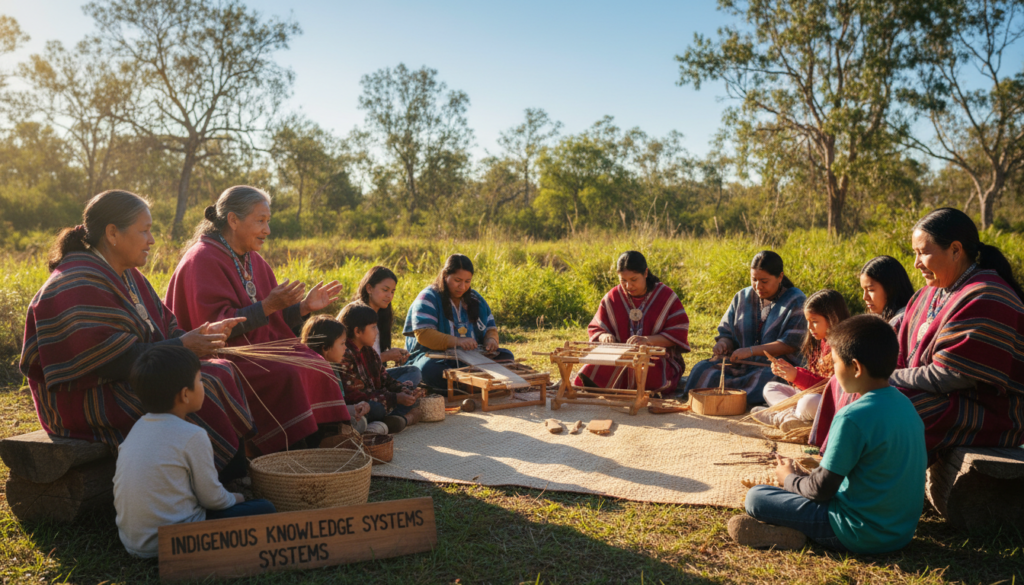
Community elders are like living libraries in Indigenous Knowledge Systems. They hold historical knowledge, cultural practices, and ecological wisdom gained over their lifetimes. Elders are not just information sources but are respected for their wisdom and community service.
Community elders teach through various methods. They share knowledge during special ceremonies and in everyday life. This way, younger people learn important lessons and skills.
Storytelling is a powerful tool for elders to share wisdom. These stories teach about the environment, social values, and practical skills. Elders also teach through hands-on activities, guiding learners in farming, healing, or crafting.
Today, challenges face elder-based knowledge systems in India. Younger people are less involved in traditional learning due to formal education and jobs. Language changes also create barriers. The value of traditional knowledge is decreasing, and elders’ passing without transferring all knowledge is a big loss.
Distributed Cognition and Cultural Continuity
Indigenous Knowledge Systems rely on distributed cognition. No one person has all the knowledge, but the community keeps it safe. This way, knowledge is protected and can be specialized among community members.
Communities use festivals and rituals to keep knowledge alive. These events strengthen social bonds, share cultural values, and teach practical skills. They ensure knowledge stays alive in the community’s memory.
Material culture, like artifacts and landscapes, helps remember knowledge. Sacred sites and tools contain encoded information about cultural practices. They help guide the community in following traditional ways.
Social institutions help distribute knowledge. Healers, priests, craftspeople, and agricultural specialists each guard their area of knowledge. This system ensures knowledge is shared but also protected.
| Transmission Method | Primary Context | Knowledge Type | Key Characteristics |
|---|---|---|---|
| Formal Instruction | Initiation ceremonies, ritual occasions | Sacred knowledge, cultural protocols | Structured, ceremonial, restricted access |
| Informal Teaching | Daily interactions, family settings | Social values, behavioral norms | Observational, continuous, accessible |
| Storytelling | Community gatherings, evening sessions | Moral lessons, historical events, ecological wisdom | Narrative, memorable, adaptable |
| Situated Practice | Work activities, craft production | Technical skills, practical knowledge | Hands-on, experiential, context-specific |
| Commemorative Events | Festivals, rituals, seasonal celebrations | Cultural identity, collective memory | Periodic, communal, performative |
Collective memory in Indigenous Knowledge Systems has both strengths and weaknesses. It ensures knowledge is stable and can adapt to new situations. This balance makes these systems strong and flexible, unlike written texts.
These systems value collective wisdom over individual knowledge. Knowledge is validated through community consensus, ensuring it benefits the community. This approach helps maintain cultural traditions while adapting to new challenges faced by communities in India.
Technological Influence on IKS
New tech has changed how we share and keep indigenous knowledge. It brings both benefits and challenges. We must use technology wisely to protect our culture and knowledge.
Technology has changed how we keep and share knowledge. It lets us reach more people and keep records forever. But, it also risks losing the true meaning of our traditions.
Technology and indigenous knowledge have a complex relationship. In India, communities are using new tools while keeping their traditions safe. They make sure their knowledge stays true to their culture.
Preserving Heritage Through Digital Repositories
Digital archives are a big help in keeping our heritage alive. They use multimedia approaches to show the full richness of our traditions. Audio and video recordings help us share our stories in a way that text can’t.
Creating digital archives is a big job. We need to think about both the tech and the culture. We must use metadata that respects our ways of organizing knowledge. And we need to make sure that only the right people can access certain information.
In India, there are projects that show how digital archiving can help. The Digital Library of Traditional Knowledge shares our medical knowledge online. Other projects in Northeast India have digitized our stories and crafts, helping to educate and revitalize our culture.
Keeping digital archives alive is a challenge. The tech we use today might not work tomorrow. And getting to remote areas where many of us live can be hard. But, if we own our digital heritage, we can overcome these problems.
When we archive our knowledge digitally, we must do it right. We need to get permission from our communities and make sure they benefit from our shared knowledge. We also need to set rules for how our knowledge is used, so it’s respected and not misused.
Digital archives make it easier for people to access our knowledge. Researchers from all over can learn from us, and our diaspora communities can stay connected to their heritage. This helps us preserve our knowledge by involving more people in its care.
Social Platforms Transforming Knowledge Sharing
Social media has become a powerful tool for sharing our traditions. YouTube, Instagram, and Facebook help us show the world our crafts and stories. It’s a way for us to connect with others and share our knowledge.
Social media lets us share our knowledge directly with people all over the world. It’s a chance for us to earn money and keep our traditions alive. Young people in our communities are using social media to share our stories in new and exciting ways.
But, social media has its challenges. The way it works can make our traditions seem different or even wrong. We need to be careful about how we present ourselves online, so our traditions are respected.
There’s also a risk that our knowledge will be taken without our permission. Social media makes it easy for others to use our ideas and traditions without giving us credit. And, not everyone has access to the internet, which can leave some of us behind.
Despite these challenges, social media is a powerful tool for sharing our knowledge. It lets us tell our own stories and connect with others. It’s a way for us to keep our traditions alive and relevant in today’s world.
| Technology Type | Primary Function | Key Advantages | Main Challenges |
|---|---|---|---|
| Digital Archives | Long-term preservation and research access | Permanent records, searchable databases, multimedia integration, scholarly support | Technical sustainability, access protocols, format obsolescence, funding requirements |
| Video Platforms | Visual documentation and mass distribution | Captures complex practices, global reach, community control, income generation | Decontextualization, appropriation risk, algorithm dependency, platform policies |
| Social Networks | Community building and interactive sharing | Direct communication, rapid dissemination, peer networks, cultural assertion | Digital divides, privacy concerns, misrepresentation, commercial exploitation |
| Mobile Applications | Localized knowledge access and education | Offline functionality, vernacular language support, targeted audiences, portable access | Development costs, device requirements, maintenance needs, limited reach |
The future of technology and indigenous knowledge depends on careful planning. We need to use technology in ways that help us preserve our knowledge and traditions. We should focus on community-controlled platforms and open-source technologies that respect our values.
Teaching our communities about digital technology is important. We need to train people to document and share our knowledge in a way that respects our traditions. This way, we can use technology to enhance our knowledge, not replace it.
Institutional Support for IKS
Keeping Indigenous Knowledge Systems alive needs strong support from institutions. It’s not just about community efforts. Governments, NGOs, schools, and global groups must work together.
These groups help in many ways. They give money for projects, share knowledge, teach, and push for laws that help. This teamwork helps traditional knowledge grow in today’s world.
It’s key that indigenous communities lead these efforts. Outside groups should help but let communities decide how to share their knowledge. This way, everyone benefits fairly.
Organizations Championing Traditional Wisdom
Non-governmental organizations play a big role in saving traditional knowledge. They connect communities with resources and people who care. These groups vary in size and how they help.
Small groups often work closely with communities. They use methods that respect local ways and help communities directly. People from the community help decide how to document their knowledge.
Training is also important. Groups like FRLHT teach people how to document and protect their knowledge. This helps communities keep their traditions alive even when outside help ends.
Another way is through market programs. Groups like Dastkar help traditional artists sell their work. This way, they can make a living using their skills.
Legal help is also vital. Groups fight for the rights of traditional knowledge. They make sure knowledge is protected and shared fairly.
Key NGO approaches include:
- Working with communities to document their knowledge
- Teaching people how to preserve their traditions
- Helping artists sell their work
- Fighting for their rights in court
- Creating places where knowledge can be shared
Policy Frameworks and Public Programs
Government programs are key for saving traditional knowledge. The National Education Policy 2020 is a big step forward. It wants to include traditional crafts in schools.
This policy aims to set up special divisions for traditional knowledge. It wants to teach about indigenous perspectives in schools. But, it needs money, trained teachers, and the right materials.
The Ministry of AYUSH supports traditional medicine. It helps by funding research and teaching. This shows how governments can help specific knowledge areas.
Cultural ministries support traditional arts and crafts. They give grants for projects and help artists. This shows the importance of preserving both tangible and intangible cultural items.
States also have their own programs. Kerala documents traditional farming, Rajasthan crafts, and the northeast preserves tribal knowledge. This shows how support can fit local needs.
But, there are challenges. Bureaucracy can slow things down. There’s not enough money, and groups often don’t work well together. There’s also a struggle between keeping traditions alive and moving forward.
| Support Mechanism | Primary Focus | Implementation Approach | Key Challenges |
|---|---|---|---|
| NEP 2020 IKS Integration | Educational curriculum development and institutional establishment | University divisions, research centers, pedagogical material development | Funding constraints, faculty expertise gaps, curriculum design complexity |
| Ministry of AYUSH Programs | Traditional medical systems validation and practice regulation | Research institutes, educational institutions, practice standards | Integration with modern healthcare, standardization vs. diversity tensions |
| Cultural Heritage Schemes | Traditional arts, crafts, and performance preservation | Documentation grants, practitioner support, public awareness initiatives | Limited reach, bureaucratic delays, insufficient funding levels |
| State-Level Initiatives | Regional knowledge traditions specific to local contexts | Tailored programs reflecting state-specific practices and needs | Resource limitations, coordination with central programs, sustainability |
Funding is both a chance and a challenge. Grants and scholarships are needed for research and education. But, the money often isn’t enough for all the work needed.
Success depends on teamwork. Governments, NGOs, schools, and communities must work together. With the right approach, traditional knowledge can thrive today.
Challenges to IKS Preservation
Many challenges threaten the preservation of Indigenous Knowledge Systems. These include demographic shifts and barriers within educational and cultural institutions. Understanding these obstacles is key to developing effective preservation strategies.
The complexity of these challenges mirrors the complexity of Indigenous Knowledge Systems. Lack of awareness and understanding among academics and administrators is a major obstacle. Many decision-makers are unfamiliar with the depth and sophistication of traditional knowledge frameworks.
Resistance to change in established education systems adds to these difficulties. Institutional inertia favors existing curricula over innovative integration of traditional knowledge. This resistance comes from unfamiliarity and concerns about curriculum overload.
Urban Migration and Traditional Knowledge Disruption
Urbanization is a major threat to Indigenous Knowledge Systems preservation in contemporary India. Rapid urban migration, mainly among the young, disrupts the intergenerational transmission of traditional knowledge. Physical separation from elder knowledge bearers breaks the continuous chain of learning that has maintained these systems for centuries.
The urban environment creates barriers to traditional knowledge application and relevance. Young people migrating to cities find themselves removed from the ecological and cultural contexts where traditional practices hold immediate practical value. Agricultural knowledge, herbal medicine, and ecological management techniques appear less relevant in urban settings dominated by modern infrastructure and commercial systems.
Economic incentives accelerate this knowledge erosion. Limited job creation in the global economy for IKS-related professions creates rational calculations against investing time in traditional knowledge acquisition. The opportunity cost of learning traditional practices becomes prohibitively high when formal education and modern employment offer greater financial returns.
Urban social structures differ fundamentally from the community-based systems that historically supported knowledge transmission. Extended family networks fragment in urban environments. Seasonal rhythms that structured agricultural and ritual knowledge disappear in year-round urban employment cycles. The physical landscapes embedded with cultural meaning and teaching opportunities vanish beneath concrete and asphalt.
Urbanization presents certain preservation opportunities alongside its threats. Urban communities sometimes maintain traditional practices through cultural organizations and community centers. Cities serve as markets for traditional crafts and services, creating economic incentives for skill preservation. Urban educational institutions potentially function as ethnographic knowledge repositories, documenting and researching traditional systems even as rural practice declines.
Linguistic Shift and Knowledge Extinction
Language endangerment poses an equally severe threat to Indigenous Knowledge Systems preservation across India. The intimate relationship between language and knowledge means that linguistic shift threatens not merely communication systems but entire epistemological frameworks. Traditional knowledge encoded in endangered languages faces extinction as speaker populations decline and younger generations adopt dominant languages.
Languages embed classification systems, ecological knowledge, and cultural concepts that resist adequate translation into other linguistic frameworks. When a language disappears, these unique knowledge structures vanish with it. Language barriers frequently prevent IKS transmission, as traditional knowledge conveyed in Indian tribal and minority languages becomes inaccessible to younger generations educated in Hindi or English.
The scale of language endangerment in India compounds this challenge significantly. Numerous tribal and minority languages face various degrees of threat, from vulnerable to critically endangered. Each endangered language represents a repository of unique traditional knowledge at risk of permanent loss. Ethnographic knowledge repositories depend fundamentally on linguistic preservation for their continued accessibility and transmission.
Documentation efforts face particular challenges with oral knowledge traditions. Lack of resources affects IKS preservation, as traditional knowledge frequently transmitted orally without written records requires intensive documentation efforts. Underfunding for research and education limits the capacity to document endangered knowledge systems before speaker populations decline further.
| Challenge Category | Specific Obstacle | Impact Severity | Primary Affected Groups |
|---|---|---|---|
| Institutional Awareness | Limited understanding among administrators | High | Educational institutions, policy makers |
| Educational Capacity | Only 25% of institutions have trained faculty | Critical | Higher education sector |
| Curriculum Integration | 45% face difficulties balancing IKS with existing curricula | High | Schools and universities |
| Resource Availability | Underfunding for research and documentation | Critical | Research institutions, communities |
| Pedagogical Compatibility | Experiential learning versus structured curricula | Moderate | Teachers and curriculum developers |
Teacher preparedness is another critical challenge to effective IKS integration. Only 25% of higher education institutions have trained faculty capable of effectively teaching Indigenous Knowledge Systems. This shortage reflects both limited training opportunities and insufficient institutional investment in faculty development for traditional knowledge instruction.
Pedagogical barriers create fundamental incompatibilities between traditional and modern educational approaches. Indigenous Knowledge Systems typically employ experiential learning foundations, with knowledge acquired through direct participation in traditional practices under elder guidance. This approach conflicts with structured classroom curricula that emphasize theoretical knowledge and standardized assessment.
Curriculum balance difficulties further complicate integration efforts. Approximately 45% of institutions face difficulties balancing IKS with existing curricula due to syllabus overload. Educational systems already struggling to cover prescribed content find limited flexibility for additional material, regardless of cultural importance.
These challenges collectively create a complex preservation landscape requiring coordinated responses across multiple domains. Addressing urbanization impacts demands both rural community support and urban cultural infrastructure development. Combating language endangerment requires linguistic preservation alongside knowledge documentation. Overcoming institutional barriers necessitates awareness building, resource allocation, and pedagogical innovation.
The urgency of these challenges intensifies as demographic and linguistic trends accelerate. Each passing year sees further urban migration, additional language speaker losses, and continued institutional neglect. Effective preservation strategies must address these multifaceted obstacles simultaneously, recognizing their interconnected nature and cumulative impact on Indigenous Knowledge Systems vitality.
Future of IKS in India
The future of Indigenous Knowledge Systems in India is tied to strategic integration in education, economy, and culture. India must balance preserving ancient wisdom with adapting it to today’s fast-changing world. Leaders and educators see the need for institutional support and community involvement to keep indigenous practices alive.
The National Education Policy 2020 is a key moment for IKS in India. It sets up frameworks that value traditional knowledge alongside modern subjects. This policy aims for a mix of old and new knowledge in education, ensuring future generations learn from living systems, not just history.
Incorporating Traditional Wisdom in Modern Classrooms
Schools in India are changing their curricula to include traditional knowledge transmission methods while keeping up with modern standards. This change affects all levels of education, from primary schools teaching through stories to universities with special IKS programs. This way, students see indigenous practices as valuable intellectual traditions.
The National Education Policy 2020 wants IKS to be part of all subjects. For example, environmental science can include traditional ecological knowledge. Math can use indigenous calculation systems, and philosophy can explore different ways of knowing.
Integrating IKS into education has many benefits. It helps students feel proud of their culture and understand their place in the world. It makes learning more meaningful by connecting abstract ideas to real-life traditions. It also teaches important values like respect and responsibility.
Students learn to think critically when they see different ways of knowing. Practices like yoga and Ayurveda help with health and well-being. They also teach sustainable living and innovation by combining old wisdom with new ideas.
To make this work, we need collaborative curriculum development. This means working together with IKS experts and educators. Teachers need training to teach these practices well. Educational materials should be both rigorous and easy to understand.
Hands-on learning, like apprenticeships, helps students see how knowledge is passed down. Assessments should focus on understanding and using this knowledge, not just remembering facts. This approach respects traditional teaching methods while keeping education credible.
Ensuring Viability of Indigenous Practices
Keeping indigenous practices alive requires looking at economic, social, cultural, and ecological aspects. We need to create markets for traditional products and services. This will give practitioners a way to make a living from their skills.
Social sustainability comes from community support and intergenerational engagement. When young people see the value in indigenous practices, they learn and pass them on. Community respect for knowledge holders is key to keeping these practices alive.
Cultural sustainability means keeping IKS as a living tradition, not just a relic. It’s about preserving core principles while adapting to new situations. Finding the right balance between keeping traditions alive and making them relevant is essential.
Ecological sustainability connects indigenous practices with protecting the environment. Many traditional systems are based on careful observation of nature. Practices like sustainable agriculture and spiritual beliefs that promote environmental care are vital.
Policies should support interdisciplinary research to study indigenous practices properly. We need to create spaces for elders and youth to share traditional knowledge. Including diverse voices within indigenous traditions prevents one group from dominating.
The future of IKS in India depends on seeing it as a dynamic, evolving system. By integrating it into education and working on sustainability, we can keep traditional wisdom alive and relevant. This vision needs ongoing effort from institutions, communities, and individuals who value the growth and transformation of indigenous practices.
Comparative Analysis of IKS Sources
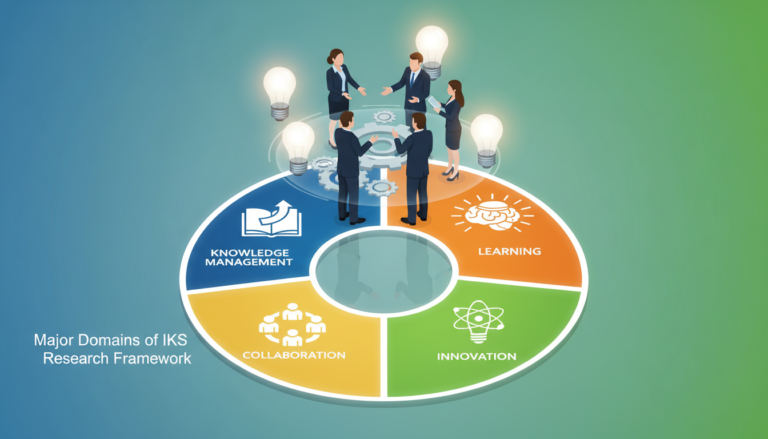
Indigenous Knowledge Systems come from many sources, each with its own way of passing down knowledge. To understand these paths, we must see that good IKS classification has three key traits: completeness, compactness, and interconnectedness. Knowledge is found in both written and spoken forms, with texts and oral traditions being the main sources.
Looking at how different sources help communities keep their wisdom alive shows us their strengths. Each way of sharing knowledge has its own strengths and weaknesses. But they all work together to keep cultural traditions alive.
Contrasting Written and Spoken Knowledge Forms
Texts and oral traditions are two main ways to keep indigenous practices alive. Written texts last a long time and can be shared far and wide. They help keep knowledge alive for centuries or even millennia.
Texts are great for detailed explanations and complex ideas. They provide a fixed record that shows who is right. But, not everyone can read, which limits who can access this knowledge.
Understanding old or technical texts needs special skills. If languages or scripts change, these texts can become hard to read. Written knowledge can also be hard to change when community needs shift.
Oral traditions, on the other hand, are easy for everyone to understand. They use rhythm and stories to help people remember. This makes it easy to change the knowledge to fit different situations.
Oral traditions also use actions and sounds to share information. This makes learning more fun and helps people connect. But, they can be lost if people forget them.
Oral traditions can change over time, which can make it hard to keep the knowledge the same. It’s also hard to keep detailed information accurate over many generations. If there’s a big change in the community, this knowledge can be lost forever.
| Characteristic | Textual Knowledge | Oral Tradition | Epistemological Impact |
|---|---|---|---|
| Accessibility | Requires literacy skills | Available to all community members | Determines knowledge democratization |
| Preservation Duration | Centuries to millennia | Dependent on active transmission | Affects historical continuity |
| Adaptability | Fixed and unchanging | Flexible and context-responsive | Influences relevance maintenance |
| Transmission Method | Individual reading | Communal performance | Shapes social engagement patterns |
Texts and oral traditions have always worked together in Indian civilization. Oral knowledge was often written down later. This mix of both forms helped keep traditions alive and relevant.
Analyzing Community and Specialized Knowledge Transmission
Folk knowledge and artistic traditions are two ways to keep indigenous practices alive. Folk traditions involve everyone and focus on practical skills. They are great for everyday activities like farming and health care.
Folk traditions are local and fit well with daily life. They are easy to understand and use. This makes sure everyone can participate and learn.
Artistic traditions, on the other hand, require special skills and training. They focus on beauty and technical skill. This makes them good for sharing complex ideas and cultural values.
Artistic traditions can spread across different areas, sharing knowledge widely. They allow for deep thinking and exploring abstract ideas. This makes them perfect for sharing complex ideas and cultural values.
Folk knowledge is easy to understand and use every day. It helps people solve problems and live well. It’s shared by everyone, not just a few experts.
Artistic traditions need special skills and focus on beauty. They are passed down through formal training. This creates a hierarchy of knowledge based on skill level.
These differences are not always clear-cut in real life. Folk and artistic traditions often blend together. A single tradition can be both simple and complex at the same time.
Texts and oral traditions work together to keep knowledge alive. Texts keep history safe, while oral performances keep it relevant. Folk traditions share knowledge widely, while artistic traditions explore deeper ideas.
Knowing how to use different ways to share knowledge helps communities. Practical skills are best shared through folk traditions. But, complex ideas need texts and artistic traditions.
Case Studies of Successful IKS Implementation
Studies show that regional indigenous practices solve today’s problems. They offer insights into how to mix old wisdom with new needs. By looking at these examples, we see how Indigenous Knowledge Systems work well with the right support.
Successful IKS Projects in India
The Honey Bee Network is a key project in India. It finds and rewards traditional knowledge. It has recorded over 200,000 new ideas from farmers and artisans.
The People’s Biodiversity Registers program is another success. It documents local knowledge about plants and how to use them. It helps communities keep their knowledge alive.
Traditional water systems are being brought back to life. In places like Rajasthan and Gujarat, ancient ways of managing water are being used again. This shows how old ideas can solve today’s water problems.
Community Ayurvedic gardens are also doing well. They save medicinal plants and teach health skills. These gardens are in Kerala and other states, helping people and plants alike.
Traditional crafts are getting a boost through Geographical Indication (GI) tagging. This helps artisans make money from their skills. It also teaches new skills to students, helping traditional arts grow.
Schools are now teaching IKS in new ways. The Vidya Bhawan Society in Rajasthan and tribal schools in Northeast India are leading the way. They teach important local skills and knowledge.
| Implementation Factor | Description | Impact on Success | Example Application |
|---|---|---|---|
| Community Participation | Genuine involvement of knowledge holders in planning and execution | Ensures cultural authenticity and ownership | People’s Biodiversity Registers program |
| Economic Sustainability | Livelihood support and market linkages for practitioners | Provides incentive for knowledge continuation | GI-tagged handicraft initiatives |
| Institutional Support | Adequate funding and policy backing from government or NGOs | Enables long-term program viability | Traditional water harvesting restoration |
| Collaborative Framework | Partnership between traditional practitioners and modern experts | Bridges knowledge systems effectively | Community Ayurvedic gardens |
| Documentation Systems | Systematic recording and archiving of indigenous knowledge | Preserves knowledge for future generations | Honey Bee Network innovation database |
Indian projects share key elements for success. They involve the community, have enough resources, and respect traditional knowledge. This approach makes sure initiatives meet real needs and last over time.
Global Examples Influencing Indian Practices
International efforts offer lessons for India. New Zealand’s education system includes mātauranga Māori, showing how to value indigenous knowledge. This approach helps students see different ways of knowing.
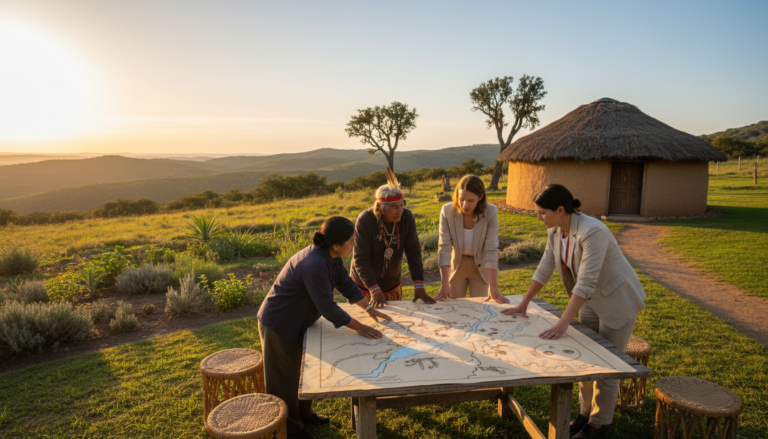
Australia’s land management with Aboriginal knowledge is another example. It shows how to use traditional and modern methods together. This helps protect nature and empowers indigenous communities.
Indigenous knowledge is not just old; it’s alive and solving today’s problems. It needs recognition and support to thrive.
Canada’s efforts to include First Nations knowledge in education and resource management are inspiring. They show how laws and policies can support indigenous knowledge. This helps in managing the environment and teaching in schools.
In Latin America, countries like Bolivia and Ecuador have made indigenous knowledge official. They use ideas like buen vivir to guide national development. This shows how indigenous views can shape policy beyond just preserving culture.
The Nagoya Protocol on Access and Benefit-Sharing is a global law that helps protect traditional knowledge. It influences India’s policies, ensuring fair benefits for knowledge holders. India’s Biological Diversity Act of 2002 follows similar principles, showing how global laws can help national efforts.
These examples from around the world offer lessons for India. Recognizing indigenous knowledge as valuable is key. Laws and policies that protect knowledge holders are important. Integrating indigenous knowledge into mainstream systems is also essential. But, each place needs to find its own way, respecting its culture and laws.
Looking at both local and global efforts, we see what makes a project succeed. It needs community involvement, enough resources, and a way to mix old and new knowledge. These lessons will help future projects in India, in education, economy, and culture.
Conclusion: Importance of IKS
Indigenous Knowledge Systems are more than just old wisdom. They are dynamic and evolving, shaping new ways to think about knowledge, ethics, and growth. By looking at different sources of knowledge, we see how these systems answer big questions about life, sustainability, and community well-being.
As India and the world face issues like environmental damage and cultural loss, IKS offers tested solutions. These solutions come from generations of experience and deep thinking.
Keeping IKS alive is not just about preserving culture. It’s about recognizing the value of different ways of knowing. Indigenous Knowledge Systems offer valid knowledge through methods that complement modern science. This enriches our collective knowledge and opens up new possibilities for innovation.
Summarizing the Value of IKS
Indigenous Knowledge Systems are important in many ways. They show us that knowledge can come from different sources, like stories, experience, and art. This challenges the usual ways we learn, which often focus too much on written texts.
These systems also help keep cultures rich and diverse. They give communities a sense of identity and belonging in a world that’s becoming more uniform. The six sources we’ve looked at show the depth and breadth of Indian knowledge traditions.
From a practical standpoint, IKS offers solutions to today’s big challenges. It teaches us how to manage resources in a sustainable way and how to heal the body and mind. It also shows us how to farm without harming the environment.
Ethically, IKS values the well-being of all, now and in the future. It teaches us to think about the bigger picture, not just what’s good for us right now. It guides us in making choices that are right for the planet and for future generations.
Indigenous Knowledge Systems are complete and connected, unlike modern education. They link together big ideas like the universe, ethics, and health. This helps us understand the world in a more holistic way.
Call to Action for IKS Preservation
We need to work together to keep IKS alive. This requires commitment, funding, and teamwork. It’s a long-term effort that needs patience and a willingness to adapt while staying true to IKS’s core values.
Educators play a key role in keeping IKS alive. They can teach traditional knowledge in school and support research. Schools should use methods that respect the ways knowledge has been passed down for generations.
Students are the future guardians of IKS. They should take it seriously and see its relevance today. By pursuing careers that use traditional knowledge, they can help keep it alive.
Policymakers have the power to create environments where IKS can thrive. Governments should protect indigenous knowledge and support its sharing. This shows they are serious about preserving cultural heritage.
| Stakeholder Group | Primary Responsibilities | Implementation Strategies | Expected Outcomes |
|---|---|---|---|
| Educators | Curriculum integration, pedagogical innovation, research documentation | Develop IKS modules, collaborate with traditional practitioners, conduct field studies | Educated students aware of indigenous knowledge, academic recognition of IKS |
| Community Members | Knowledge transmission, practice maintenance, documentation participation | Engage youth in traditional activities, support local practitioners, share oral histories | Intergenerational continuity, living cultural practices, community cohesion |
| Policymakers | Legislative frameworks, funding allocation, institutional infrastructure | Enact protective laws, establish research centers, fund preservation initiatives | Systematic support structures, legal recognition, sustainable funding |
| Researchers | Ethical documentation, collaborative methodologies, advocacy | Partner with knowledge bearers, publish accessible findings, promote IKS in academic discourse | Scholarly legitimacy, documented knowledge resources, informed policy recommendations |
Community members are key to keeping IKS alive. They pass on knowledge to the next generation and keep practices alive. By supporting documentation and traditional practitioners, they ensure the knowledge stays relevant.
Researchers must work with respect and sensitivity. They should involve indigenous people in their work and share findings in ways that benefit communities. This approach ensures that research serves the community and advances our understanding.
Keeping IKS alive is a shared responsibility. It requires dedication, support, and a commitment to holistic growth. It’s about valuing deep thinking, innovative teaching, and ancient wisdom.
We need a more diverse and fair knowledge system. This means more than just saving old knowledge. It involves teaching it in schools, supporting those who keep it alive, protecting it legally, and valuing it socially. India has a chance to lead in showing how ancient wisdom can guide us today without holding back progress.
The future of IKS depends on our choices today. We must balance preserving tradition with innovation and respect for the environment. Indigenous Knowledge Systems can transform education, promote sustainability, and foster understanding that we desperately need. Let’s make the right choices to keep IKS alive and thriving.
References for Further Reading
For those looking to dive deeper, there are carefully selected resources. They expand on the topics covered in this look at indigenous knowledge systems documentation. These materials offer paths for further exploration in IKS scholarship and practice.
Books and Articles on IKS
Key scholarly works give foundational insights into IKS. They cover topics like Ayurveda, Yoga, and traditional farming. Anthropological studies document oral traditions and knowledge sharing.
Recent books look at how IKS fits into modern education. Comparative studies link traditional Indian knowledge with global indigenous systems. Scholars from India and abroad offer unique perspectives.
Online Resources and Archives
Digital platforms offer a wealth of primary materials. The Indira Gandhi National Centre for the Arts has vast collections. NISCAIR documents traditional knowledge scientifically.
The National Mission for Manuscripts digitizes historical texts. Community projects and university libraries store audio, videos, and manuscripts. Government sites coordinate efforts to document indigenous knowledge.
It’s important to read critically from different sources. Talking to traditional practitioners and reading scholarly works together builds a deep understanding. This understanding is based on real knowledge traditions.
About the Author