Introduction
Imagine a crime scene bustling with investigators, detectives, and forensic specialists. Amid the chaos, another team stands quietly, analyzing the behaviors, motives, and psychological profiles of potential suspects. This team operates beyond the crime scene, focusing not just on the tangible evidence but on understanding the driving forces behind the crime. Behavioral analysis isn’t just an ancillary aspect of investigations; it is an essential tool that shapes and influences the outcome of criminal cases.
In a world where crime rates fluctuate and the complexity of criminal motives increases, understanding human behavior becomes crucial. Behavioral analysis helps law enforcement agencies paint a fuller picture of suspects and victims alike, leading to more effective investigations. This article will explore the critical role that behavioral analysis plays in criminal investigations, illustrated through compelling case studies and expert insights.
Understanding Behavioral Analysis
What is Behavioral Analysis?
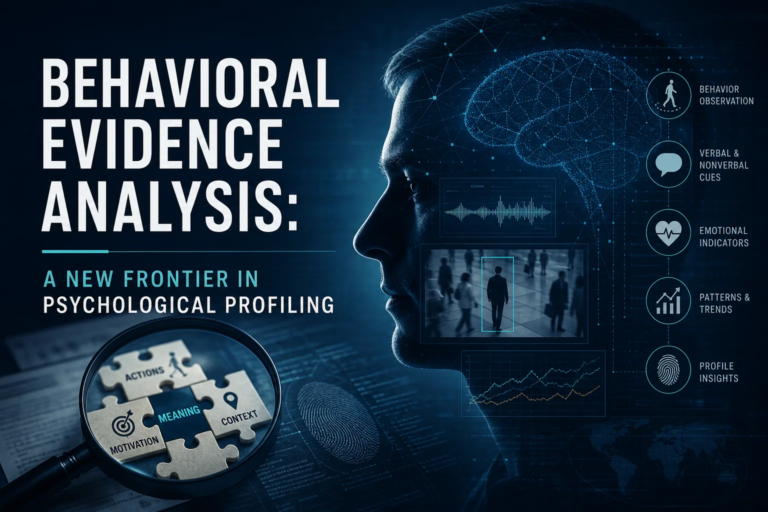
Behavioral analysis refers to the systematic study of human behavior, particularly in understanding the psychological patterns that lead to criminal activity. By assessing factors such as motive, opportunity, and personal background, investigators can develop profiles that help narrow down their search for suspects.
The Four Pillars of Behavioral Analysis
- Cognitive Understanding: Grasping how criminals think and make decisions.
- Emotional Insight: Understanding the emotional triggers that lead to criminal actions.
- Social Context: Considering how a suspect’s environment influences their behavior.
- Historical Patterns: Analyzing previous crimes to predict future behaviors.
The Impact of Behavioral Analysis on Criminal Investigations
The Profiling Process
One of the most notable applications of behavioral analysis is criminal profiling. Law enforcement agencies, both in the U.S. and abroad, have employed profiling techniques to identify and catch criminals. By analyzing various factors—including the nature of the crime, the type of victim, and perpetrator behavior—officers can create a comprehensive profile of the suspect.
Case Study: The Atlanta Child Murders
From 1979 to 1981, a series of murders of African American children in Atlanta sent shockwaves through the community. The FBI’s Behavioral Science Unit stepped in, conducting interviews and analyzing the behavior of potential suspects. They developed a profile of the killer that helped lead to the arrest of Wayne Williams. This case illustrates the profound impact of behavioral analysis, showcasing how insights from human behavior can direct investigations and facilitate justice.
Behavioral Analysis Techniques
Various techniques are employed in behavioral analysis to enhance investigations:
- Behavioral Interviewing: This approach assesses a suspect’s body language, tone of voice, and consistency in storytelling.
- Geographical Profiling: This technique identifies the likely home or base of a serial offender based on crime locations.
- Linkage Analysis: Analyzing crimes to establish links between different cases through behavioral similarities.
Case Study: The Golden State Killer
The case of the Golden State Killer demonstrates the benefits of combining behavioral analysis with new technologies. Investigators utilized DNA evidence alongside behavioral profiling to connect more than 50 rapes and murders. This innovative blend of techniques led to the arrest of Joseph DeAngelo in 2018, decades after the crimes were committed.
Behavioral Analysis and Victimology
The study of victimology, or the analysis of the victims involved in crimes, is another vital aspect of behavioral analysis. Understanding the characteristics of victims can help identify patterns, which is crucial for both prevention and investigation.
Case Study: The Missing Girls of Cleveland
The Cleveland abductions of three women from 2002 to 2004 by Ariel Castro highlighted the importance of victimology in understanding and preventing crime. Behavioral analysts studied the profiles of the victims—young women with similar backgrounds and circumstances—to devise strategies for future prevention. Furthermore, analyzing Castro’s behavior and tendencies provided vital insights into his methods, thereby enriching the investigation efforts.
The Role of Technology in Behavioral Analysis
As technology evolves, so does the field of behavioral analysis. Advancements in data analytics, machine learning, and artificial intelligence provide investigators with tools to process vast amounts of information efficiently.
Case Study: The Boston Marathon Bombing
After the Boston Marathon bombing in 2013, law enforcement agencies used behavioral analysis techniques supported by digital technology to identify and track down the terrorists. Analyzing online behavior and surveillance footage allowed them to construct timelines and behavioral patterns that ultimately led to the arrest of the Tsarnaev brothers.
Collaborative Efforts: Behavioral Analysis in Action
Behavioral analysis isn’t a solitary practice; it thrives on collaboration between various agencies and professionals. The sharing of insights among law enforcement, psychologists, sociologists, and criminologists enhances the efficacy of investigations.
Case Study: The Zodiac Killer
The hunt for the Zodiac Killer, who terrorized Northern California in the late 1960s, involved both law enforcement and civilian analysts who contributed their insights. Behavioral experts analyzed the Killer’s notes, the choice of victims, and even the symbols used in his cryptograms. Although the case remains unsolved, the combined expertise exemplifies how interdisciplinary collaboration in behavioral analysis can guide investigations.
Challenges Facing Behavioral Analysis
Despite its many benefits, behavioral analysis isn’t foolproof. There are inherent challenges, including:
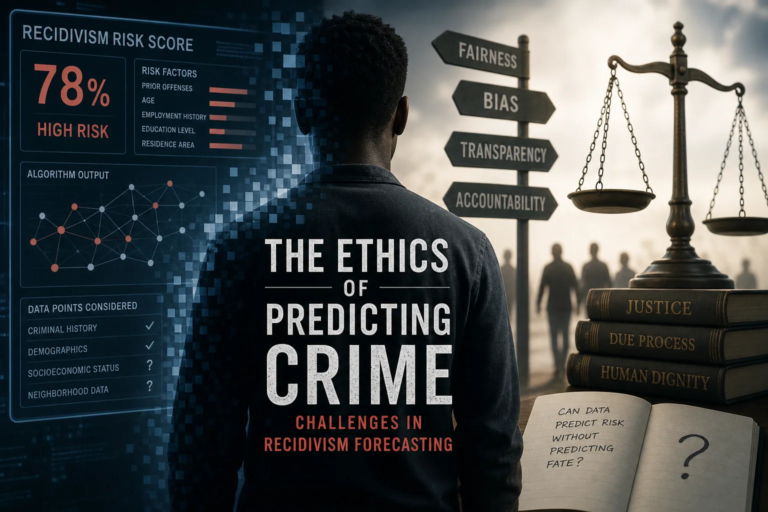
- Bias: Misinterpretations of behavior due to personal bias can skew results.
- Overgeneralization: Relying too heavily on profiles may overlook unique aspects of individual cases.
- Ethical Concerns: Profiling may lead to discrimination or wrongful assumptions about innocent individuals.
Conclusion
The arena of crime-fighting is expanding beyond traditional methods, entering a realm where understanding the human mind is as critical as analyzing physical evidence. Behavioral analysis represents a pivotal component of modern investigations, bridging the gap between the knowable and the unknowable.
As we journey beyond the crime scene, the insights gained from understanding human behavior will become more essential, not only in solving crimes but also in preventing them. Law enforcement agencies must invest in behavioral analysis to enhance their investigative techniques, ushering in a new era of proactive crime-fighting.
By prioritizing behavioral analysis, we stand a better chance of fostering safer communities, where understanding the roots of criminal behavior leads to more effective prevention and resolution strategies.
FAQs
1. How does behavioral analysis differ from traditional investigative methods?
Behavioral analysis focuses on understanding the psychological underpinnings of criminal behavior, while traditional methods tend to rely more on physical evidence and eyewitness accounts.
2. Can behavioral analysis be applied to all types of crimes?
Yes, while it’s most commonly associated with serious crimes such as homicides and sexual assaults, behavioral analysis can be applied to a broad range of criminal activities.
3. How accurate is criminal profiling?
While criminal profiling can provide valuable insights, it is not always definitive. Many factors can impact an individual’s behavior, making it one of several tools used in investigations.
4. What role does technology play in behavioral analysis?
Technology enhances the capability of behavioral analysis through data processing, surveillance, and AI, enabling investigators to uncover patterns and connections more efficiently.
5. Are there ethical concerns related to behavioral analysis?
Yes, concerns include potential biases in profiling and the risk of mischaracterizing individuals based on limited behavioral data, which can lead to wrongful accusations.
Closing Thoughts
The future of crime investigations will heavily lean on behavioral analysis. As we embrace multidisciplinary approaches and technological advancements, we will craft investigations that not only seek justice but also understand the complex tapestry of human behavior inherent in every crime. This journey, beyond the crime scene, is vital in shaping not just investigations but societal attitudes towards crime and justice at large.
About the Author


The PsyForU Editorial Collective is the research and editorial team of PsyForU Research International. The collective prepares educational, psychological, mental-health-awareness, inclusion, neurodiversity, and research-methodology content for students, parents, educators, researchers, and general readers. PsyForU content is intended for awareness, education, and capacity-building and should not be treated as clinical diagnosis, therapy, medical advice, legal advice, or emergency mental-health support.