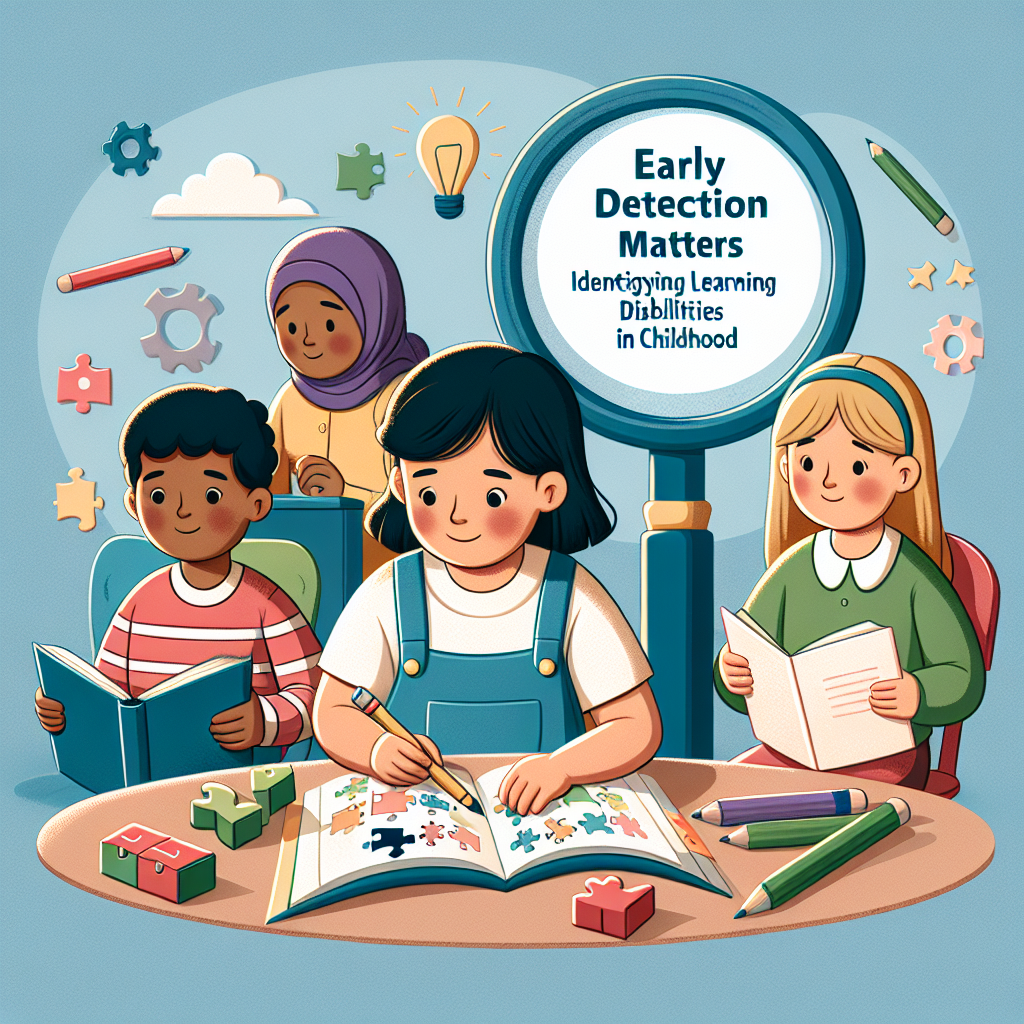
Early Detection Matters: Identifying Learning Disabilities in Childhood for Lifelong Success
Introduction
Imagine a world where every child receives the support they need to thrive, not just academically but emotionally and socially as well. Early detection matters: identifying learning disabilities in childhood is crucial for setting the stage for lifelong success. When children are assessed and understood early, they are more likely to overcome obstacles, develop healthy self-esteem, and achieve their full potential. This article delves into why early detection matters and the steps we can take to identify and support children with learning disabilities.
Understanding Learning Disabilities
What Are Learning Disabilities?
Learning disabilities encompass a range of conditions that affect a child’s ability to process information. These can manifest in various ways, such as difficulties in reading (dyslexia), writing (dysgraphia), or math (dyscalculia). According to the National Center for Learning Disabilities, 1 in 5 children is identified with a learning disability, making awareness and early detection crucial.
Types of Learning Disabilities
- Dyslexia: A reading disorder that affects the ability to understand written words.
- Dysgraphia: A writing disorder that impacts fine motor skills.
- Dyscalculia: A mathematical disorder affecting number sense and calculations.
- Auditory Processing Disorder: Difficulty in processing auditory information, impacting language skills.
The Importance of Early Detection
Early detection matters: identifying learning disabilities in childhood allows for timely intervention. The earlier a child receives help, the better their academic trajectory and social integration. When untreated, learning disabilities can lead to significant emotional and behavioral problems, creating a cascade of challenges that extend far beyond the classroom.
Recognizing the Signs: What Parents and Teachers Should Look For
Behavioral Indicators
Children with learning disabilities may exhibit certain behavioral patterns that signal an underlying issue. Some common signs include:
- Frustration with Homework: They struggle to understand assignments and often express frustration.
- Difficulty Following Directions: Instructions may confuse them, ensuring they miss critical steps.
- Avoidance of Reading or Writing Tasks: They may try to evade these tasks altogether.
Academic Indicators
Recognizing academic struggles early is essential. Here are signs to watch for in different subjects:
- Reading: Slow reading speed, frequent mistakes, and poor comprehension.
- Math: Difficulty with basic concepts, trouble learning multiplication tables.
- Writing: Spelling errors, inconsistent handwriting, and challenges organizing written ideas.
The Role of Teacher Observations
Educators are often the first line of defense in identifying learning disabilities. Regular assessments and monitoring of student progress can provide invaluable insights. Open communication between teachers and parents creates a collaborative environment for early detection.
The Power of Intervention: Case Studies and Real-World Applications
Case Study 1: Sarah’s Story
Sarah, a bright and imaginative second-grader, struggled significantly with reading. Her teacher noticed her avoidance of reading aloud, often fidgeting during lessons. After engaging with Sarah’s parents and conducting further assessments, they discovered she had dyslexia. With early intervention—including specialized reading programs—Sarah made significant progress over the next year, reading at grade level.
Relevance: Sarah’s case highlights how early detection matters: identifying learning disabilities in childhood and provides insights into intervention strategies that can change a child’s academic path.
Case Study 2: Ben’s Math Journey
Ben, a fourth-grader, excelled in creative activities but found math perplexing. His parents were concerned when he could not grasp simple addition. The teacher’s monitoring flagged his struggles, leading to a referral for assessment, which confirmed dyscalculia. Through tailored math remediation and assistive technologies, Ben began to improve his numerical understanding, enhancing his confidence in the classroom.
Relevance: Ben’s experience emphasizes the critical need for customized educational strategies once a learning disability is identified.
| Child’s Name | Learning Disability | Intervention | Outcome |
|---|---|---|---|
| Sarah | Dyslexia | Specialized reading | Achieved grade-level proficiency in reading |
| Ben | Dyscalculia | Tailored math remediation | Increased confidence and understanding in math |
The Role of Parents and Guardians
Creating a Supportive Environment
Parents play an essential role in nurturing a child’s learning journey. Here are practical steps to foster an environment conducive to learning:
- Open Communication: Maintain dialogue with teachers about any observed struggles.
- Encouragement: Praise efforts, not just results, to boost self-esteem.
- Limit Distractions: Designate a quiet space for homework.
Advocacy for Your Child
Knowledge is power. Parents should educate themselves on learning disabilities and advocate for their children in educational environments. Understanding their rights under laws like the Individuals with Disabilities Education Act (IDEA) can empower parents to seek necessary interventions.
Educational Strategies for Early Intervention
Multi-Tiered System of Supports (MTSS)
MTSS is a proactive approach that involves multiple levels of intervention based on student needs. This framework enables schools to identify students at risk and provide immediate support.
Individualized Education Plans (IEPs)
Creating an IEP can provide tailored educational strategies suited to specific learning disabilities. An IEP outlines goals and accommodations necessary for a child’s success.
Use of Technology
Embracing technology in the classroom can enhance the learning experiences for children with learning disabilities. Tools like speech-to-text software and educational apps can cater to various learning styles.
The Emotional Toll: Understanding the Psychological Impact
Mental Health Considerations
Children with untreated learning disabilities often face anxiety, low self-esteem, and frustration. Early detection matters: identifying learning disabilities in childhood is not just about academics; it’s about fostering emotional well-being.
Nurturing a Positive Self-Image
Building a positive self-image is crucial for children facing learning challenges. Engaging children in activities they excel in or enjoy can promote a sense of achievement outside traditional learning environments.
Conclusion
In conclusion, early detection matters: identifying learning disabilities in childhood is a critical aspect of supporting our children’s educational and emotional growth. By recognizing signs, advocating for necessary interventions, and implementing effective educational strategies, we can pave the way for lifelong success. Every child deserves the opportunity to thrive—let’s be the champions they need.
FAQs
1. What are the common types of learning disabilities?
Common types include dyslexia, dysgraphia, dyscalculia, and auditory processing disorder. Each affects different areas of learning.
2. How can I recognize signs of learning disabilities in my child?
Look for signs such as frustration with homework, difficulty following instructions, or avoidance of reading and writing tasks. Consulting with teachers can provide additional insights.
3. Why is early detection important?
Early detection allows for timely intervention, which can lead to improved academic outcomes and emotional well-being for children with learning disabilities.
4. What interventions can be helpful for my child?
Interventions can include specialized tutoring, IEPs, and implementing learning strategies tailored to their specific needs, often using technology.
5. How do I advocate for my child in school?
Educate yourself about your child’s rights and communicate openly with teachers and school administrators about concerns and recommended support strategies.
6. What support resources are available for parents?
Many resources exist, including local support groups, learning disability organizations, and educational workshops designed to empower parents and guardians.
With awareness and action, we can ensure that every child has a chance to succeed—let’s embrace the importance of early detection and watch our children flourish!
About the Author