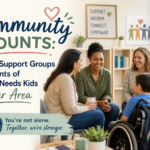
Finding Strength in Community: Essential Resources for Parents of Kids with Learning Disabilities
Introduction
Navigating the world of learning disabilities is not just a challenge; it can sometimes feel like an uphill battle for parents and children alike. However, there is an undeniable truth that can serve as a powerful beacon of hope: Finding Strength in Community. The journey doesn’t have to be undertaken alone, and with the right resources and connections, parents can build an environment where their kids not only succeed but thrive. This article aims to be your comprehensive guide, filled with valuable insights and resources that will empower you and your child.
The Power of Community
Community is more than a group of people living in proximity; it’s a supportive network that fosters resilience and healing. For parents of children with learning disabilities, being part of a community can offer emotional support, insight, and practical resources. Finding Strength in Community can transform challenges into shared experiences, allowing parents to learn from one another and celebrate victories, big and small.
The Emotional Toll of Learning Disabilities
Parents frequently encounter feelings of isolation or uncertainty. The emotional journey can be daunting, filled with moments of doubt and frustration. Studies show that parents of children with learning disabilities report higher levels of stress compared to those who do not face similar challenges. This is where the community can act as a vital support system.
Case Study: Parent Support Group Experience
In 2021, a support group was established in Springfield for parents of children with ADHD and dyslexia. Over six months, participants reported feeling significantly more empowered and less isolated. Many discovered strategies and emotional coping mechanisms that helped them tackle daily challenges. The success of this group underlines the notion that Finding Strength in Community is beneficial for both children and parents.
Building Your Community
Finding your tribe may feel overwhelming, but it’s easier than you think. Here are actionable steps to help you connect with supportive networks:
1. Join Local and Online Support Groups
These can be invaluable in providing knowledge, emotional support, and practical tips. Websites such as Meetup or Facebook often have listings for local support groups, while platforms like Reddit have forums dedicated to special education.
Tip: Look into organizations like the Learning Disabilities Association of America (LDA) for resources tailored specifically for parents.
2. Engage with Schools
Collaboration with teachers and special education staff can create a united front in your child’s educational journey. Set up regular meetings to discuss your child’s progress and challenges. Many schools have parent-teacher associations (PTAs) or support committees for special education.
Case Study: PTA Initiatives
In Maplewood, a PTA initiated a series of workshops focused on understanding learning disabilities better. This resulted in increased awareness and sensitivity among educators and a stronger bond of trust between parents and teachers.
3. Leverage Online Resources
Websites like Understood.org and the International Dyslexia Association are filled with articles, webinars, and tools that can help parents understand learning disabilities better. This not only helps you as a parent but also equips you to advocate effectively for your child.
4. Connect with Therapists and Specialists
Having a network of professionals such as educational therapists, psychologists, or speech pathologists can greatly aid in understanding your child’s needs. Many specialists offer group sessions for parents, increasing your knowledge base while helping you feel less isolated.
Table: Types of Professional Support
| Type of Support | Purpose |
|---|---|
| Educational Therapist | Develops individualized learning strategies |
| Child Psychologist | Addresses emotional and behavioral challenges |
| Speech Pathologist | Assists with communication skills |
| Occupational Therapist | Enhances daily living skills |
The Role of Advocacy in Community
Being part of a community goes beyond finding emotional support; it also involves advocacy. As a parent, learning how to advocate for your child at school and in the community can empower both you and your child.
Understanding Educational Rights
Familiarizing yourself with laws such as the Individuals with Disabilities Education Act (IDEA) can help you understand your child’s rights to receive appropriate education tailored to their needs. Communities often offer workshops to equip parents with the knowledge necessary for effective advocacy.
Building Alliances with Other Parents
Creating alliances within your community can lead to collective action on broader issues. For instance, groups can advocate for more inclusive educational policies or resources within schools.
Case Study: Community Advocacy Impact
In a notable case in Denver, parents united to advocate for better diagnostic resources in schools. Their collective action resulted in the district allocating funds for professional development for teachers and mental health resources for students.
Celebrating Milestones Together
One of the greatest joys of being part of a community is celebrating milestones. No matter how small, every step forward deserves recognition. Shared celebrations can foster a sense of belonging and achievement.
Creating a Culture of Positivity
Engaging in community events that celebrate achievements can uplift spirits and encourage progress. Monthly or quarterly events where families come together to share success stories can help reinforce motivation and hope.
Quote from a Parent
“Seeing my child recognized in our support group felt like the world had opened up for him. Knowing we are not alone and that others see the strides we are making was incredibly uplifting for both of us.”
Useful Tools and Resources
To ease the burden of seeking support, here are specific tools and resources that can reinforce Finding Strength in Community:
Websites and Online Platforms
- Understood.org: Offers guidance and resources for parents and kids facing learning disabilities.
- Learning Disabilities Association of America: Provides educational resources and supports advocacy.
- National Center for Learning Disabilities: Offers various resources, including webinars and guides.
Books
- "The Everything Parent’s Guide to Children with Dyslexia" by Carolyn L. Rapp
- "Overcoming Dyslexia" by Sally Shaywitz
Apps
- ModMath: A math application that assists students with learning disabilities.
- Glean: A note-taking tool that offers various ways to capture information.
Conclusion
In the intricate journey of parenting children with learning disabilities, Finding Strength in Community is not just beneficial; it is essential. By building connections, advocating, and celebrating progress, parents can create an empowering environment conducive to learning and growth. Remember, you are not alone; there’s a wealth of resources and a network of individuals ready to support you.
Motivational Takeaway
Take this moment to reach out. Connect with fellow parents, educators, and specialists. By harnessing the power of community, you can turn challenges into triumphs for both you and your child.
FAQs
1. What types of learning disabilities are common among children?
Common learning disabilities include dyslexia, ADHD, dyscalculia, and auditory processing disorder.
2. How can I find local support groups?
Check community centers, schools, or online platforms like Meetup or Facebook for local support groups.
3. What resources are available for educating myself about learning disabilities?
Websites such as Understood.org and the Learning Disabilities Association of America provide valuable information.
4. How can I approach my child’s teacher about their learning disability?
It’s best to schedule a meeting, come prepared with specific concerns, and collaborate on strategies for support.
5. How can I celebrate my child’s achievements?
Consider hosting small celebrations with family or within your support group to recognize milestones, no matter how small.
By embracing the essence of Finding Strength in Community, parents can foster resilience and hope in their children, creating pathways for success where there may have once only seemed to be obstacles.
About the Author