Introduction
In today’s educational landscape, the role of student counselors is more vital than ever. They serve as the guiding lights for students navigating the complexities of academic life, personal issues, and future plans. However, the journey isn’t always smooth. Student counselors often face myriad challenges that can hinder their effectiveness. Understanding and implementing effective strategies for student counselors is essential, ensuring they can empower students to reach their full potential.
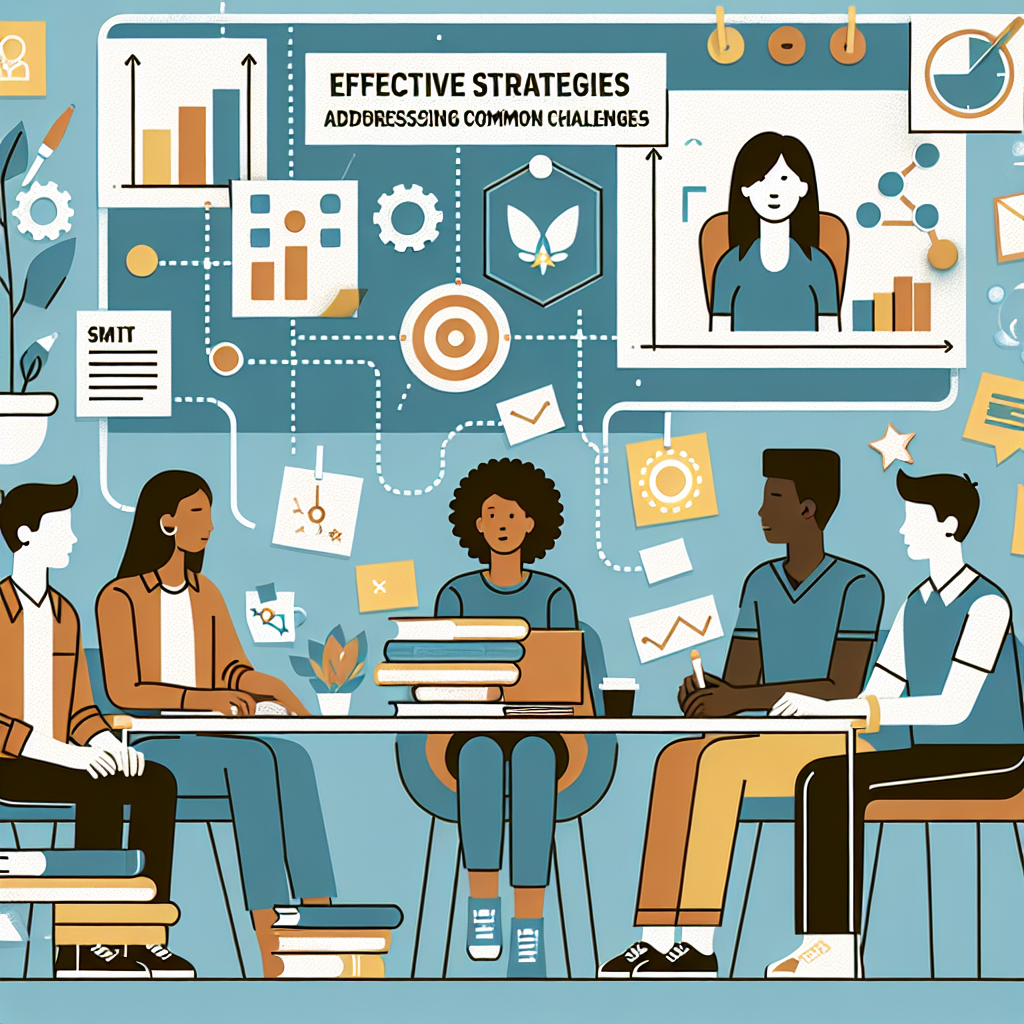
In this article, we’ll explore various effective strategies for student counselors: addressing common challenges faced daily. From communication barriers to emotional issues, we’ll cover it all, along with compelling case studies that reinforce these strategies. So, let’s dive into the actionable insights that will not only enhance your counseling approach but also inspire the students you work with.
Understanding the Landscape
Before diving into specific strategies, it’s essential to understand the common challenges student counselors face:
- Communication Gaps
- Limited Resources
- Student Engagement Issues
- Addressing Mental Health Concerns
- Balancing Administrative Duties with Counseling Time
These challenges can create barriers to effective counseling, making it crucial for educators to equip themselves with proven methods to overcome them.
Effective Strategies for Student Counselors
1. Bridging Communication Gaps
Effective communication is foundational in all relationships, particularly in counseling. Poor communication can lead to misunderstandings and frustration.
Strategy: Active Listening Workshops
Case Study: At Lincoln High School, student counselors implemented active listening workshops. By participating in role-playing scenarios, counselors honed their skills. As a result, 85% of students reported feeling heard and understood.
| Problem | Solution | Outcome |
|---|---|---|
| Misunderstandings | Active Listening Workshops | 85% of students felt understood |
Incorporating active listening techniques into your counseling sessions can dramatically enhance relationships with students, allowing them to feel valued and respected.
2. Optimizing Resource Utilization
Often, student counselors are faced with limited resources, from financial constraints to time shortages.
Strategy: Collaborating with Local Organizations
Case Study: At Maple Valley High, the counseling department partnered with local mental health organizations. This collaboration provided students with workshops and therapy sessions at no cost. As a result, the school saw a 60% increase in student utilization of mental health resources.
| Resource Type | Organization | Outcome |
|---|---|---|
| Mental Health | Local NGO | 60% increase in students accessing services |
Utilizing community resources can alleviate the pressure on school counselors, leading to improved student services.
3. Enhancing Student Engagement
Low student engagement can hinder the effectiveness of counseling programs.
Strategy: Interactive Workshops and Seminars
Case Study: Beacon Academy developed themed workshops around life skills. Topics included stress management and conflict resolution. Student attendance grew by 75%, enhancing the visibility and effectiveness of the counseling program.
| Workshop Topic | Engagement Strategy | Outcome |
|---|---|---|
| Conflict Resolution | Themed Workshops | 75% increase in student attendance |
Dynamic and interactive workshops can create excitement and interest among students, bridging the gap between students and counselors.
4. Addressing Mental Health Concerns Early
Mental health issues are prevalent among students, making it crucial for counselors to address these concerns proactively.
Strategy: Early Identification Systems
Case Study: Oakwood High School adopted screening tools to identify at-risk students. As a result, early intervention programs were able to help 40% of identified students before issues escalated.
| Identification Tool | Strategy | Outcome |
|---|---|---|
| Screening Tools | Early Intervention | 40% improvement in student mental health |
Implementing early identification systems can be pivotal in addressing mental health concerns, ultimately improving student well-being.
5. Streamlining Administrative Duties
Counselors often juggle administrative tasks that can detract from student-focused time.
Strategy: Implementing Digital Management Tools
Case Study: Crestwood College switched to a comprehensive digital management system that streamlined documentation and scheduling. Counselors reported they reclaimed 15 hours monthly for direct student interaction.
| Task Category | Digital Tool | Time Saved |
|---|---|---|
| Documentation | Digital Management System | 15 hours/month |
Harnessing technology for administrative tasks can significantly free up time for personalized student engagement.
Conclusion
In summary, effective strategies for student counselors: addressing common challenges can reshape how counselors interact with students and streamline their processes. From enhancing communication to leveraging community partnerships, these strategies can lead to a more effective counseling environment.
By empowering counselors with these tools, we can create a supportive atmosphere conducive to student growth and success. Take these insights, apply them in your setting, and watch the positive changes unfold.
FAQs
1. What are the common barriers to effective counseling?
Common barriers include communication gaps, resource limitations, and student engagement issues. Understanding these is the first step in overcoming them.
2. How can community resources assist student counselors?
Community organizations can provide additional support, workshops, and services that alleviate burdens on school counselors, allowing for enhanced counseling services.
3. What role does technology play in counseling effectiveness?
Technology can streamline administrative duties, allowing counselors to focus more on student interactions, thus improving service delivery.
4. How can a counselor help students with mental health issues?
Early identification and intervention strategies, along with mental health resources, can provide essential support for students struggling with emotional challenges.
5. What is the importance of active listening in counseling?
Active listening fosters trust and openness in the counselor-student relationship, making it easier for students to share their concerns and needs.
By implementing these effective strategies for student counselors, addressing common challenges doesn’t just become achievable; it transforms the counseling environment into one of empowerment and growth.
About the Author