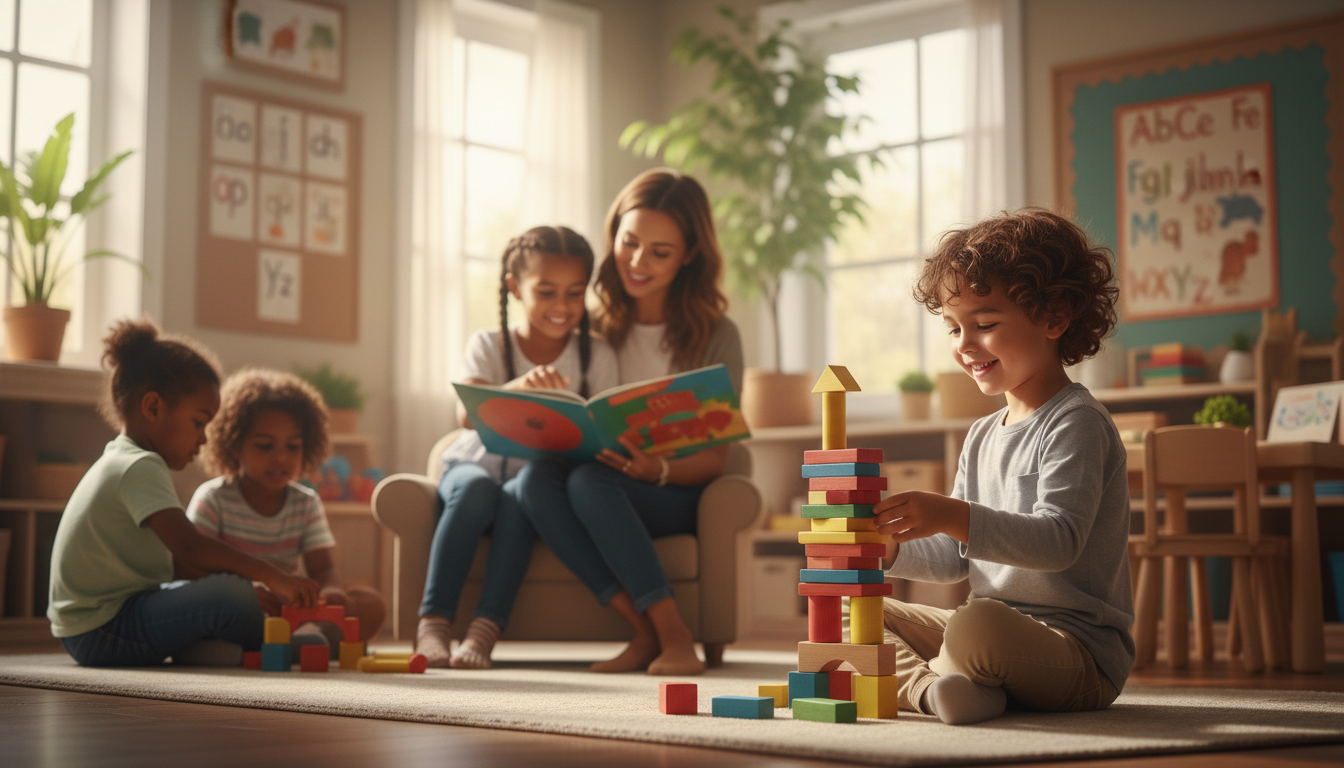
What makes children and teens behave and grow? Knowing how their minds work is key to helping them thrive and solve problems early.
Child psychology explores how young people think, feel, and act. It shows us why this field is so important.
Our online courses dive deep into the world of young minds. They offer a full view of what shapes their growth.
Key Takeaways
- Understanding child development is key for their well-being.
- Child psychology looks into their behavior and thinking.
- Child psychologists help tackle early problems.
- Online courses give deep insights into young minds.
- Many factors affect their growth, making it complex.
Understanding Child Psychology: An Overview
Child development is a complex process that includes physical, cognitive, and psychosocial growth. This makes child psychology very important. It helps parents, teachers, and mental health experts support children better.
Importance of Studying Child Psychology
Studying child psychology is key to understanding how kids grow and develop. It helps spot problems early, so we can help them sooner. This way, we can support their growth in many areas.
Key benefits of studying child psychology include:
- Early identification of developmental delays or disorders
- Development of targeted interventions to support children’s development
- Enhanced understanding of how to promote healthy development in children
Key Theories in Child Development
Many theories have shaped our understanding of child development. These include:
| Theory | Description |
|---|---|
| Piaget’s Cognitive Development Theory | Focuses on how children construct knowledge as they interact with their environment |
| Erikson’s Psychosocial Development Theory | Emphasizes the role of social interactions and experiences in shaping a child’s development |
| Freud’s Psychosexual Stages | Describes how children’s sexual energy develops through different stages |
Major Influences on a Child’s Mental Health
A child’s mental health is shaped by many things. These include family dynamics, money status, and culture. Knowing these helps us create better support plans.
Family dynamics greatly affect a child’s mental health. Things like parenting styles, sibling relationships, and family fights can all play a part.
Stages of Child Development
Knowing the stages of child development is key to giving the right support and guidance. From birth to adulthood, there are many stages, each with its own changes. Pediatric psychology helps understand these stages and solve child behavioral issues.
Infancy: Building Foundations
Infancy lasts from birth to 1-2 years. It’s a time when basic development starts. Infants learn to trust and understand their world through caregivers.
Pediatric psychologists say that responsive parenting is vital. It helps create a secure bond, which is important for emotional and social growth.
Early Childhood: Learning and Exploration
Early childhood includes toddler years and preschool age. It’s a time of fast growth in thinking, moving, and social skills. Kids start to explore, learn new things, and want to be independent.
Child behavioral issues can happen if kids struggle with emotions or social interactions.
Middle Childhood: Peer Influence
Middle childhood is from 6 to 12 years old. It’s when friends start to matter more. Kids learn to make and keep friends, which is key for social growth.
Pediatric psychology stresses the value of good friendships. They help kids feel good about themselves and be socially skilled.
Adolescence: Struggles and Growth
Adolescence brings big changes in body, emotions, and social life. It’s a time for figuring out who you are, being independent, and forming close friendships. Pediatric psychology helps understand these changes and solve child behavioral issues that come up.
By knowing each stage’s unique traits, we can offer better support. This helps kids grow well and tackle any problems early.
Major Theories in Child Psychology
The field of child psychology is filled with theories that explain how kids grow and develop. These theories are key to understanding child development. They also guide practices like child therapy and adolescent psychology.
Freud’s Psychosexual Stages
Sigmund Freud said kids go through stages where they seek pleasure in different body parts. These stages are oral, anal, phallic, latency, and genital. He thought going through these stages well was important for healthy growth.
Freud’s ideas, though debated, have greatly influenced psychology. They show how early life shapes future behavior and mental health.
Piaget’s Cognitive Development Theory
Jean Piaget believed kids go through four stages of thinking: sensorimotor, preoperational, concrete operational, and formal operational. He thought kids learn by interacting with their world.
- Sensorimotor stage: learning through senses and actions.
- Preoperational stage: symbolic thinking starts.
- Concrete operational stage: logical thinking about real events.
- Formal operational stage: abstract thinking begins.
Erikson’s Psychosocial Development
Erik Erikson’s theory talks about eight stages, each with a conflict to solve for a healthy personality. For kids, important stages include trust vs. mistrust and autonomy vs. shame and doubt.
Erikson’s work shows how social experiences shape a child’s identity and confidence. It helps us understand the challenges kids face at different ages.
These theories in child psychology help us understand how kids develop. They guide child therapy and adolescent psychology practices. By using these theories, experts can create better support for kids at every stage.
The Role of Play in Child Psychology
In child psychology, play is key for growth. It’s not just fun; it shapes thinking, feelings, and social skills. Through play, kids learn about their world, solve problems, and make friends.
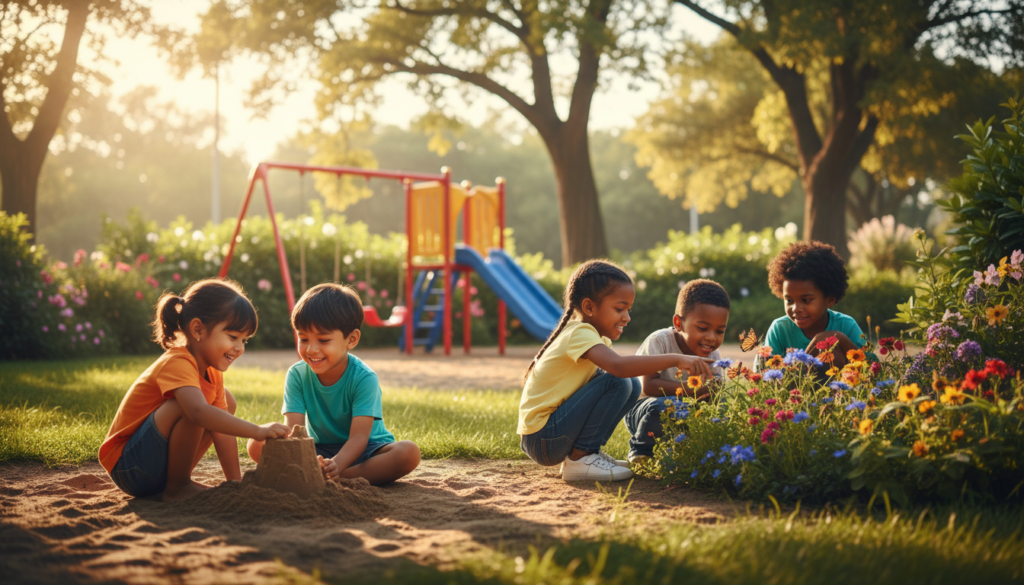
Benefits of Play for Development
Play boosts many skills in kids. It sparks creativity, problem-solving, and imagination. Puzzles and games sharpen thinking, while role-playing boosts creativity and social skills.
Play also helps with emotions. It teaches kids to handle feelings, understand others, and be strong.
Play is also vital for social skills. It lets kids interact, learn to work together, and improve communication. Sports and games teach teamwork, discipline, and fairness.
Types of Play and Their Importance
There are many types of play, each with its own benefits. Solitary play builds independence. Parallel play helps kids learn from others and develop social skills.
Cooperative play is about working together and respecting each other. It’s great for teamwork and leadership.
- Symbolic play boosts creativity and problem-solving.
- Physical play keeps kids healthy and sharpens motor skills.
- Constructive play improves fine motor skills and hand-eye coordination.
How Play Therapy Aids Emotional Growth
Play therapy uses play to help kids deal with emotions. It’s a safe space for kids to share feelings and experiences. It’s great for kids who struggle to talk about their feelings or have faced hard times.
Through play therapy, kids can face tough times, work through feelings, and find ways to cope. Therapists use play to help kids understand and manage their emotions. This helps kids grow emotionally and stay well.
Good parenting strategies for children include playing with them. Playing together strengthens the parent-child bond, helps parents understand their kids, and creates a caring environment for growth.
Impact of Parenting Styles on Child Psychology
It’s key to know how different parenting styles affect kids. These styles shape a child’s mental health and actions.
Authoritative vs. Authoritarian Parenting
Authoritative parents are warm, listen well, and talk clearly. This style helps kids feel good about themselves and get along with others. On the other hand, authoritarian parents are strict and harsh. This can make kids anxious and lower their self-esteem.
Comparison of Authoritative and Authoritarian Parenting
| Parenting Style | Characteristics | Child Outcomes |
|---|---|---|
| Authoritative | Warm, responsive, clear communication | High self-esteem, socially competent |
| Authoritarian | Strict, punitive | Anxious, lower self-esteem |
Effects of Permissive Parenting
Permissive parents are lenient and don’t set clear rules. This can lead to kids with behavioral issues and trouble controlling themselves. They might also have trouble with authority and face a higher risk of substance abuse.
The Role of Uninvolved Parenting
Uninvolved parents neglect their kids and don’t offer emotional support. This can severely harm a child’s mental growth. Kids from these homes are more likely to face depression, anxiety, and behavioral problems. They also find it hard to form good relationships.
For kids who’ve been through trauma, childhood trauma therapy is vital. It helps them deal with their past, learn to cope, and get better mentally.
Knowing how parenting styles affect kids helps parents make better choices. They can choose healthy parenting and seek help, like trauma therapy, when needed.
Mental Health Disorders in Children
It’s key to understand mental health issues in kids to help them grow well. Their mental health affects how they learn, make friends, and handle feelings.
Common Disorders: ADHD, Anxiety, and Depression
Many mental health problems can affect kids, like ADHD, anxiety, and depression. ADHD makes it hard for kids to focus, be active, and act impulsively. This can hurt their school work and daily life.
Anxiety can make kids very worried or scared, making it hard for them to do normal things. Depression in kids shows as constant sadness, not wanting to do things they used to like, and changes in eating or sleeping.
These issues can really affect a child’s life and how they connect with others. Finding and treating these problems early is very important.
Symptoms and Diagnosis
Figuring out mental health issues in kids takes a deep look at their behavior, feelings, and age. Symptoms can be different for each child and problem. For example, ADHD might show as trouble focusing, while anxiety could be seen as too much worry.
A trained expert, like a child psychologist or psychiatrist, must make the diagnosis. They look at what parents say, what teachers see, and what the child feels.
Treatment Options and Interventions
Treatment for kids often mixes therapy, school help, and sometimes medicine. Cognitive-behavioral therapy (CBT) helps kids change bad thoughts and actions. Family therapy is also helpful, as it gets the whole family involved in helping the child.
For ADHD, things like training for parents and special classroom rules can really help. Medicine might be used too, but only with other treatments.
With the right support and treatment, kids can manage their mental health issues and feel better overall.
The Importance of Early Intervention
Spotting and fixing developmental delays early is key for kids’ growth. Early help is vital for childhood mental health. It gives support to kids at risk of delays or mental issues.
Identifying Developmental Delays
Delays can show up in many ways, like speech problems, thinking issues, or emotional challenges. Parents and caregivers often spot these first. They play a big part in catching these delays early.
Some signs of delays include:
- Not responding to their name by 12 months
- Not gesturing (pointing, waving, etc.) by 12 months
- Not saying single words by 16 months
- Not combining two words by 24 months
Benefits of Early Psychological Support
Early help can change a child’s path for the better. Studies in pediatric psychology show it boosts thinking, social, and emotional skills.
| Benefits | Description |
|---|---|
| Improved Cognitive Outcomes | Early support boosts thinking skills, leading to better school performance. |
| Enhanced Social Skills | Early help helps kids learn important social skills, lowering social isolation risks. |
| Better Emotional Regulation | Children learn to handle their feelings better, cutting down mental health risks. |
Resources for Parents and Caregivers
Parents and caregivers are key in helping kids with delays. Luckily, many resources are out there to help them.
Some great resources include:
- Local support groups for parents of children with developmental delays
- Professional advice from pediatric psychologists and therapists
- Online platforms with educational materials and forums
By using these resources and understanding early intervention’s value, we can help kids grow healthier.
Social Influences on Child Psychology
It’s key to know how social factors affect child psychology for their healthy growth. Things like family, school, and money status shape a child’s behavior and mind.
Effects of Family Dynamics
Family life greatly shapes a child’s mind and actions. How parents and kids interact, sibling bonds, and the family vibe all matter. Good family vibes help kids grow well, but bad family vibes can hurt their feelings and actions.
Impact of School Environment
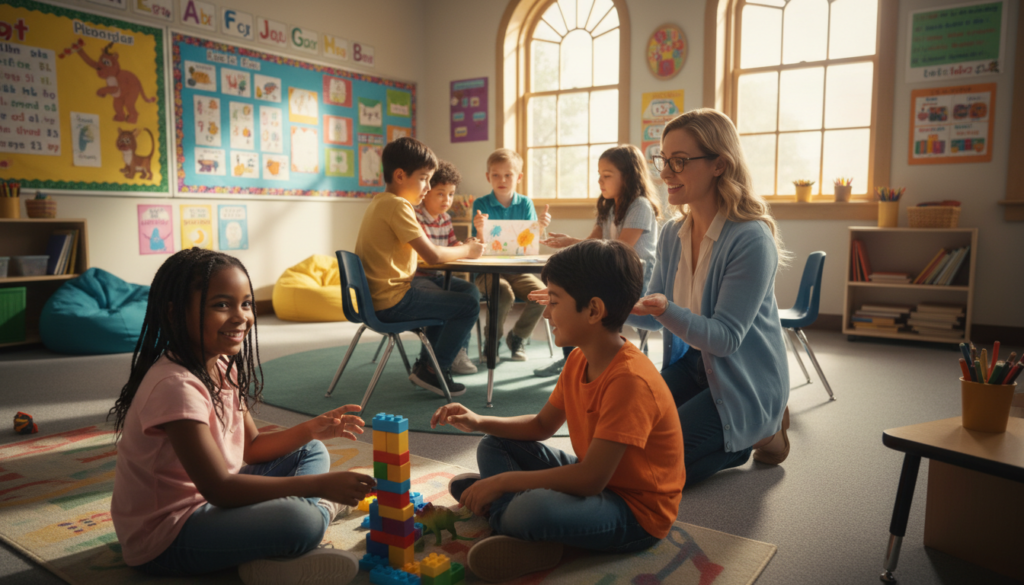
Schools are big in shaping a child’s mind too. They teach not just books but also how to socialize and feel emotions. A good school vibe boosts a kid’s confidence, social skills, and grades. But a bad school experience can lead to sadness, worry, and other mental health problems.
Role of Socioeconomic Status
Money status also affects a child’s mind. Kids from poorer families might face more challenges like less resources, stress, and tough environments. It’s important to understand how money status affects kids’ minds to help them better.
In short, social factors greatly shape a child’s mind and actions. Knowing about family, school, and money status helps us tackle child behavior problems and offer the right therapy. By focusing on these areas, we can support kids’ mental health and help them have better futures.
Cultural Considerations in Child Psychology
It’s key for both professionals and parents to grasp the cultural context for healthy child growth. Cultural differences shape many aspects of child psychology, from parenting to the display of psychological issues.
Understanding Cultural Differences
Cultural differences show up in values, beliefs, and practices across societies. In child psychology, these differences impact how kids are raised and how their behaviors are seen. For example, some cultures value individualism, while others focus on the group.
It’s vital to account for these cultural differences to support children’s mental growth. Studies reveal that culture shapes parenting styles, with some being strict and others more lenient.
“The way we understand and address children’s psychological needs must be culturally sensitive to be effective.”
The Role of Culture in Child Behavior
Culture deeply influences child behavior. It shapes how kids show emotions, interact with others, and see authority. For instance, in some cultures, looking someone straight in the eye is a sign of respect, but in others, it’s seen as aggressive.
| Cultural Aspect | Influence on Child Behavior |
|---|---|
| Parenting Styles | Affects discipline and child-rearing practices |
| Communication Patterns | Influences how children express emotions and needs |
| Social Norms | Shapes interactions with peers and adults |
Culturally Responsive Practices
Using culturally responsive practices is critical in child psychology. It ensures that support works for kids from different backgrounds. This means understanding the child’s cultural context and tailoring support to fit.
- Assessing the child’s cultural background and its implications for their behavior and development
- Adapting assessment tools and intervention strategies to be culturally appropriate
- Engaging with families and communities to understand their cultural practices and values
By using culturally responsive practices, we can better meet children’s mental needs. This is very important in diverse societies where kids from different backgrounds are more common.
The Importance of Emotional Intelligence
Emotional intelligence is key for kids’ growth, affecting their friendships and happiness. It’s clear that teaching emotional skills is vital for kids’ healthy growth.
Defining Emotional Intelligence
Emotional intelligence helps us know and understand our feelings and those of others. For kids, it means controlling their emotions, feeling for others, and getting along well with people.
Key components of emotional intelligence include:
- Self-awareness: Knowing our emotions and how they affect us.
- Self-regulation: Keeping our emotions in check to reach our goals.
- Motivation: Using feelings to push us to do things and reach goals.
- Empathy: Getting and sharing the feelings of others.
- Social skills: Using emotional smarts to get along with others.
How to Foster Emotional Skills
It’s important to help kids develop emotional skills. Parents and caregivers can do this by showing good emotional behavior, teaching kids to control their feelings, and giving them chances to meet new people.
Strategies for fostering emotional skills include:
- Labeling and validating kids’ feelings to help them understand and handle their emotions.
- Encouraging empathy by talking about how others might feel in different situations.
- Showing kids how to manage feelings well, like expressing emotions right and dealing with anger.
- Helping kids join in social activities, like playdates or sports, to improve their social skills.
Emotional Intelligence’s Role in Relationships
Emotional intelligence is vital for good relationships. Kids with high emotional smarts tend to have better friendships and relationships with adults. They’re better at understanding and meeting the emotional needs of others.
In childhood trauma therapy, emotional intelligence is key for recovery and building strength. Therapists often work on improving emotional smarts as part of treatment.
For parents and caregivers looking for child psychology resources, knowing about emotional intelligence is very helpful. It helps kids feel better now and prepares them for good mental health and relationships later on.
Techniques and Tools for Child Psychologists
Child psychologists use many tools to help kids grow up healthy. They focus on assessments, therapy, and training for parents and kids. These methods help them understand and support children’s mental health.
Assessments and Standardized Tests
Child psychologists use tests to check how kids are doing. They look at thinking, feelings, and behavior. Standardized tests show how a child compares to others, highlighting strengths and weaknesses.
They use IQ tests, achievement tests, and rating scales. These tools help them understand a child’s needs. This information guides them in creating the right help for the child.
Therapeutic Techniques and Approaches
Therapy is key in child psychology. It teaches kids to handle their feelings and actions. Cognitive-behavioral therapy (CBT) helps kids change negative thoughts that cause them distress.
Play therapy uses play to help kids deal with their emotions. Family therapy brings the whole family together. It aims to improve how they talk and relate to each other.
Parent-Child Interaction Training
Parent-child interaction training (PCIT) helps parents and kids get along better. It teaches parents how to interact with their children in a positive way. This makes their relationship stronger and more supportive.
PCIT has been proven to help kids behave better and reduce stress for parents. It creates a better environment for kids to grow and develop.
The Future of Child Psychology
New trends and technologies are changing child psychology. It’s key to know about these changes.
Advancements in Research and Practice
Child psychology has seen big steps forward in research and practice. These changes help us understand kids better.
Key advancements include:
- More sophisticated longitudinal studies
- Increased use of neuroimaging techniques
- Integration of genetic research into understanding behavioral issues
These steps are vital for better treatments in pediatric psychology.
The Role of Technology in Treatment
Technology is now a big part of treating child behavioral issues. It includes telepsychology and mental health apps. These tools make care more accessible.
| Technological Advancement | Application in Child Psychology |
|---|---|
| Telepsychology | Remote therapy sessions for children and families |
| Mobile Apps | Mental health support and monitoring tools |
| Virtual Reality | Exposure therapy for anxiety disorders |
Addressing Emerging Issues in Child Psychology
New challenges like social media and climate change affect kids’ mental health. Child psychology must tackle these issues.
The field must adapt to these emerging issues by:
- Conducting research to understand the psychological impact
- Developing interventions tailored to these new challenges
- Collaborating with other disciplines to address the root causes
By facing these new challenges, child psychologists can help kids more.
Community Resources for Child Mental Health
Getting the right help is key for kids with mental health problems. These resources offer support for kids and their families. They help deal with the tough parts of mental health issues.
Local and National Organizations
Many groups, local and national, help with kids’ mental health. For example, the National Alliance on Mental Illness (NAMI) has educational programs, support groups, and more. They help a lot.
- Local groups offer child therapy that fits the community’s needs.
- The American Psychological Association (APA) has info on adolescent psychology and child growth.
Support Groups for Parents
Support groups for parents are very important. They let parents talk, get support, and learn about their kids’ mental health.
- These groups are led by experts in child mental health.
- They focus on issues like ADHD, anxiety, or depression in kids.
Educational Resources
Learning about kids’ mental health is also key. These resources help parents, teachers, and caregivers understand and help kids.
- Online sites and websites have lots of info, like articles and videos.
- Workshops and conferences teach the latest in child mental health.
In short, community resources are very important for kids’ mental health. With local and national groups, support groups, and educational resources, families can get the help they need.
Conclusion: Embracing the Complexity of Child Psychology
Understanding child psychology is a lifelong journey. It requires us to keep learning and adapting. By exploring child development, we can help children grow up healthier.
Good parenting strategies are key. They shape a child’s mental and emotional health.
Advancing Child Psychology
Child psychology is complex, with many theories and stages. It’s vital to recognize the role of childhood trauma therapy. This helps address mental health issues and supports emotional growth.
Supporting Healthier Futures
Parents and professionals can support children’s mental health together. Using child psychology resources and staying updated with research helps. This way, we can spot developmental delays early and help children grow up healthier.
Empowering Parents and Professionals
Exploring child psychology shows us the importance of empowering parents and professionals. Giving them the right knowledge helps create a supportive environment. This allows children to thrive and grow.
FAQ
What is child psychology, and why is it important?
What are the major theories in child psychology?
How does parenting style impact child psychology?
What is the role of play in child psychology?
How can early intervention support children’s mental health?
What are common mental health disorders in children?
How do social influences impact child psychology?
What is the importance of emotional intelligence in child psychology?
How can parents and caregivers support children’s mental health?
What are the benefits of culturally responsive practices in child psychology?
What is the future of child psychology, and how will it evolve?
What resources are available for parents and caregivers seeking support for their child’s mental health?
About the Author