Introduction
In today’s fast-paced world, where the relentless pursuit of perfection often overshadows our authentic selves, the conversation around Femininity and Mental Health: Embracing Vulnerability as a Strength is more urgent than ever. Society has perpetuated the belief that vulnerability is a weakness, particularly in women who are often expected to embody strength, poise, and emotional restraint. Yet, embracing vulnerability can catalyze a profound transformation in our mental health, fostering resilience and deep connections.
This article delves into the intricate relationship between femininity and mental health, illuminating how vulnerability can serve as a powerful tool for healing and empowerment. Through poignant case studies and insightful analysis, we’ll uncover how revealing our true selves can liberate us, enrich our relationships, and enhance our overall well-being. Let’s embark on this enlightening journey together.
Understanding Femininity and Vulnerability
The Traditional Narrative of Femininity
Historically, femininity has been characterized by traits such as nurturing, empathy, and emotional expressiveness. While these attributes can indeed be strengths, they have often been weaponized in the narrative that women must be self-sacrificing and emotionally resilient at all costs. This expectation can lead to internalized pressure and a denial of one’s own needs and feelings, adversely affecting mental health.
What is Vulnerability?
Vulnerability, in a psychological context, refers to the willingness to show up and be seen, to be honest about our feelings, and to share our struggles. It’s about being real—admitting that we’re not perfect and that it’s okay to ask for help. Brené Brown, a well-known researcher on vulnerability, asserts that "vulnerability is the birthplace of innovation, creativity, and change." This expands our understanding of femininity to include asking for support and showing genuine emotion as strengths rather than weaknesses.
The Intersection of Femininity, Vulnerability, and Mental Health
The link between femininity and mental health is intimately woven with the fabric of vulnerability. Women often navigate societal pressures that discourage emotional honesty, leading to feelings of isolation, anxiety, and depression. By reframing vulnerability as an essential strength, we create space for healing and foster a culture of authenticity and connection.
The Mental Health Benefits of Embracing Vulnerability
Building Resilience through Connection
When we embrace vulnerability, we allow ourselves to connect more deeply with others. Research shows that women who express their feelings openly build stronger, more resilient relationships. A study published in the Journal of Social and Personal Relationships emphasized that relationships characterized by emotional openness directly correlate with increased life satisfaction and mental well-being.
Case Study: The Power of Group Therapy
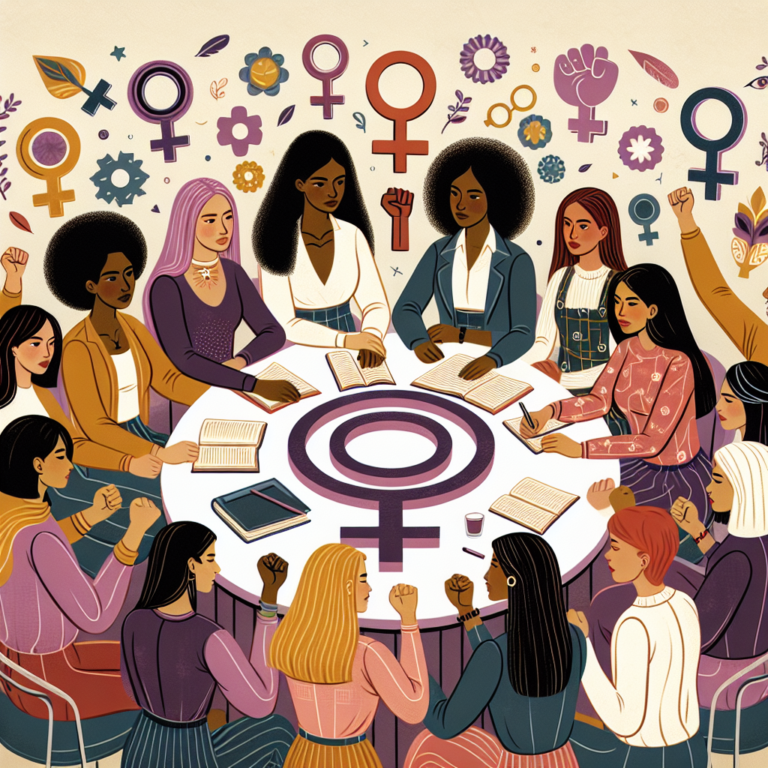
A group of women participating in a therapy session aimed at addressing anxiety found that sharing personal struggles created a bond among them that was transformative. As they shared their fears and triumphs, their vulnerabilities became a platform for support, leading to significant improvements in their mental health. Participants reported feeling less isolated and more empowered, demonstrating how vulnerability can enhance emotional resilience.
Reducing Mental Health Stigmas
Embracing vulnerability also combats the stigma surrounding mental health, particularly among women. A culture that promotes sharing struggles and asking for help diminishes feelings of shame and isolation. By viewing vulnerability as a strength, we create an environment where seeking help is normal and encouraged.
Case Study: Mental Health Campaigns
Organizations like Mental Health America have launched campaigns that encourage open discussions about mental health. By showcasing stories of women who have struggled with mental health issues and embraced their vulnerabilities, they help to destigmatize mental health struggles. This visibility leads to increased awareness and encourages others to seek help.
Fostering Authenticity and Self-Compassion
When we accept our vulnerabilities, we pave the way for greater authenticity. Authenticity promotes self-compassion—a crucial element in maintaining mental health. Women who practice self-compassion report lower rates of anxiety and depression, as noted in a study in the Journal of Happiness Studies.
Case Study: Self-Compassion Workshops
In a series of self-compassion workshops, participants practiced affirming their vulnerabilities and failures as integral parts of their narratives. Feedback indicated that embracing vulnerabilities led to a marked improvement in self-esteem and emotional well-being, underscoring the importance of viewing vulnerability as a strength.
Enhancing Emotional Intelligence
Vulnerability fosters emotional intelligence, a critical component of mental well-being. Emotional intelligence allows women to navigate their feelings effectively, leading to healthier relationships and improved mental health outcomes. Women who embrace their vulnerabilities can better identify, understand, and manage their emotions.
Case Study: Workplace Emotional Intelligence Training
A company focused on enhancing team performance through emotional intelligence training found that when women leaders shared their experiences of vulnerability, it opened lines of communication and cooperation within teams. This led to improved team dynamics and overall productivity, illustrating how embracing vulnerability can enhance emotional intelligence in professional settings.
Societal Implications and Real-World Applications
Breaking Down Cultural Barriers
Society often places barriers on how femininity and vulnerability are perceived. Breaking these constructs can lead to increased mental health awareness and support for women. For instance, educational programs that encourage young girls to embrace their emotions can foster healthier coping mechanisms as they grow.
Creating Supportive Communities
Support networks that prioritize emotional sharing and vulnerability help in reducing mental health issues among women. Community programs and online platforms provide safe spaces for women to express their vulnerabilities without judgment. This sense of belonging can play a pivotal role in mental health maintenance.
Table 1: Impact of Supportive Communities on Mental Health
| Factor | Without Community Support | With Community Support |
|---|---|---|
| Average Anxiety Levels | High | Low |
| Reported Life Satisfaction | Low | High |
| Feelings of Isolation | High | Low |
Educational Interventions
Schools and workplaces must incorporate curricula that teach the value of vulnerability. Programs that focus on emotional literacy equip women and girls with the tools to articulate their feelings, fostering resilience and enhancing mental health from a young age.
Strategies for Embracing Vulnerability
Practice Mindfulness: Mindfulness encourages us to be present with our emotions, laying the groundwork for embracing vulnerability.
Develop Authentic Relationships: Surround yourself with supportive individuals who encourage emotional openness; this cultivates an atmosphere where vulnerability is celebrated.
Engage in Reflective Journaling: Journaling about your feelings can help clarify your emotions and reveal areas where vulnerability can be embraced.
Share Your Story: Whether publicly or privately, sharing your experiences with trusted individuals can be cathartic and encourage others to do the same.
- Seek Professional Guidance: Therapists can provide valuable insights into how to navigate vulnerability and its effects on mental health.
Conclusion
Navigating the complex interplay between femininity and mental health involves the courageous act of embracing vulnerability. Reflecting on our experiences and acknowledging our struggles allows us to foster deeper connections, reduce stigma, and cultivate resilience.
Ultimately, Femininity and Mental Health: Embracing Vulnerability as a Strength is not merely an ideal; it’s a powerful movement toward fostering mental wellness. By embracing vulnerability, we empower ourselves and lift those around us, creating ripples of change that can enhance the mental health landscape for future generations.
FAQs
1. What does embracing vulnerability mean in the context of femininity?
Embracing vulnerability means accepting and articulating your feelings and struggles, which can enhance emotional connections and foster resilience.
2. How can vulnerability improve mental health?
Vulnerability allows for genuine connections, reduces feelings of isolation, and promotes self-compassion, all of which are crucial for maintaining mental wellness.
3. Are there cultural differences in the perception of vulnerability?
Yes, different cultures have varying views on vulnerability. In some cultures, expressing emotions is seen as a strength, while in others, it may be perceived negatively.
4. Can vulnerability be taught?
Yes, programs targeting emotional intelligence and self-compassion can teach individuals how to embrace and articulate their vulnerabilities effectively.
5. How do I start embracing my vulnerabilities?
Begin by practicing mindfulness, journaling your feelings, and sharing your story with trusted individuals to cultivate an environment where vulnerability is welcomed and accepted.
As we lean into the beauty and strength that vulnerability brings, we honor our authentic selves and inspire those around us to do the same. Let us pave the way for a future where embracing vulnerability is celebrated, reinforcing the interconnectedness of femininity and mental health.
About the Author