Introduction
In today’s complex society, the intersection of science and law has never been more critical. The forensic landscape has evolved dramatically, with forensic assessment emerging as a pivotal component in modern investigations. This not only aids in solving crimes but also plays a key role in ensuring justice in our legal system. As we delve into the nuances of forensic assessment, the aim is to highlight its essential role in bridging the gap between scientific knowledge and legal practice, providing insights that will captivate professionals and laypersons alike.
The Role of Forensic Assessment in Modern Investigations
Forensic assessment comprises a range of scientific methodologies used to analyze evidence and determine its relevance within a legal context. This process involves collecting, preserving, and examining various types of evidence—be it biological, chemical, or digital.
Understanding Forensic Evidence
Forensic evidence can be categorized into several types:
- Physical Evidence: Includes fingerprints, hair, soil samples, and firearms.
- Biological Evidence: Comprises blood, saliva, and other bodily fluids.
- Digital Evidence: Encompasses data from computers, smartphones, and other electronics.
By meticulously processing this evidence, forensic professionals can provide invaluable insights that can sway court decisions.
Case Study 1: The O.J. Simpson Trial
One of the most publicized criminal cases in history, the O.J. Simpson trial brought forensic assessment to the forefront. The importance of blood evidence and DNA analysis was highlighted, showcasing how forensic science can both support and challenge narratives within the courtroom. The case demonstrated that forensic assessment is not just about collecting evidence; it is about interpreting it in a way that is comprehensible to jurors.
The Science Behind the Assessment
Forensic assessments rely heavily on scientific principles. For instance, DNA profiling utilizes the unique genetic fingerprint of individuals to establish connections between suspects and crime scenes.
Table 1: Types of DNA Evidence and Their Implications
| Type of DNA Evidence | Description | Legal Implication |
|---|---|---|
| Nuclear DNA | Found in cell nuclei, unique to each individual | Strongly ties a suspect to a crime scene |
| Mitochondrial DNA | Maternal lineage, less specific | Can indicate familial relationships |
| Y-Chromosomal DNA | Male lineage, useful in male-specific cases | Identifies male relatives or suspects |
Bridging Science and Law
The Importance of Collaboration
The effectiveness of forensic assessment hinges on the collaboration between forensic scientists and legal professionals. Each party must understand the other’s language to navigate complex investigations successfully. This cooperation allows for the scientific evidence to be presented clearly and effectively in court.
Case Study 2: The Amanda Knox Case
In the Amanda Knox case, controversy surrounded the interpretation of forensic evidence collected from the crime scene. Expert witnesses debated the reliability of DNA evidence, which played a significant role in her conviction and later exoneration. The case underscores the necessity of understanding forensic science, illustrating how misinterpretations can lead to grave miscarriages of justice.
Modern Tools and Techniques
The advancement of technology has revolutionized forensic assessment. Techniques such as:
- Smartphone Analysis: Can extract data from devices to find communication patterns or location data.
- Bloodstain Pattern Analysis: Helps reconstruct violent events based on the patterns of blood found at a scene.
These tools bridge the gap between science and law, making investigations more thorough and conclusive.
Real-World Applications of Forensic Assessment
Forensic assessment is not limited to criminal cases; its applications extend to civil litigation, corporate investigations, and more.
Table 2: Forensic Assessment Applications Across Different Fields
| Field | Application Example |
|---|---|
| Criminal Law | DNA evidence in homicide cases |
| Civil Law | Accident reconstruction in personal injury lawsuits |
| Corporate Law | Fraud detection via digital forensics |
Ethical Considerations in Forensic Assessment
With great power comes great responsibility. Ethical considerations are paramount in forensic assessment. Ensuring the integrity of evidence, maintaining confidentiality, and adhering to legal standards are crucial.
The Risks of Misuse
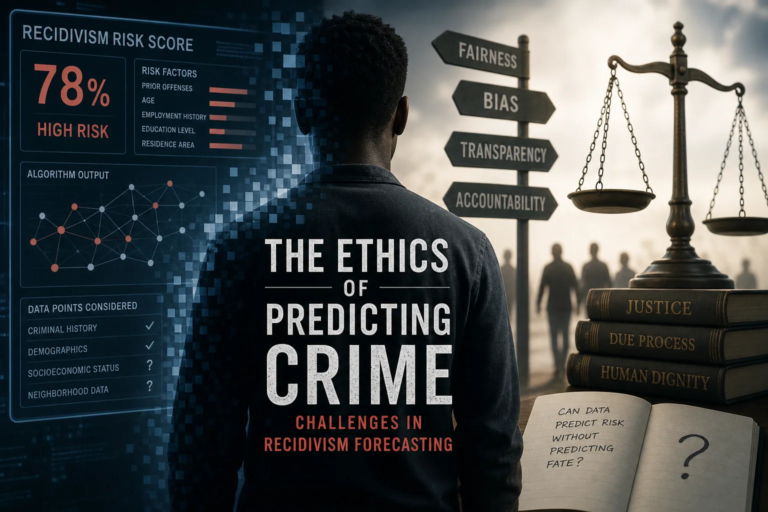
Forensic evidence can easily be manipulated or misinterpreted. The pressure to solve cases can lead to convoluted decision-making processes, endangering the pursuit of justice.
Case Study 3: The Brandon Mayfield Case
Brandon Mayfield was wrongfully arrested due to flawed fingerprint analysis. His case illustrates the importance of rigorous standards in forensic assessments. It reveals how errors can not only damage reputations but also destroy lives.
Building a Career in Forensic Assessment
Education and Training
Those interested in pursuing a career in forensic assessment should consider:
- Degrees in Forensic Science: Many universities offer specialized programs in forensic sciences.
- Certification Programs: Certification from recognized bodies ensures credibility.
Skills to Develop
Competencies such as critical thinking, attention to detail, and strong communication skills are essential for success in this field.
Conclusion
Forensic assessment serves as a powerful bridge between science and law, shaping the landscape of modern investigations. With each advancement in forensic science, the capability to uncover truths and deliver justice is enhanced. As we move forward, a commitment to ethical practices, collaboration, and continuous learning will be crucial in ensuring that forensic assessment remains a reliable pillar of our legal systems.
FAQs
What is forensic assessment?
Forensic assessment involves the scientific analysis of evidence to support legal investigations and proceedings.How is forensic evidence collected?
Evidence is collected following strict protocols to ensure its integrity, such as using gloves, labeling samples properly, and storing them securely.Why is collaboration essential in forensic assessment?
Collaboration between forensic scientists and legal professionals enhances understanding and presentation of evidence in court.What technologies are commonly used in forensic assessments?
Technologies include DNA analysis, bloodstain pattern analysis, and digital forensics tools.- What ethical concerns surround forensic assessment?
Issues include evidence mishandling, misinterpretation, and pressures leading to wrongful convictions.
In wrapping up, the field of forensic assessment plays a crucial role in blending scientific rigor with legal responsibilities, making it an essential component of modern investigations. The journey towards justice is enriched by the alliance between these two disciplines, fostering a system that aspires to be both fair and accurate.
About the Author


The PsyForU Editorial Collective is the research and editorial team of PsyForU Research International. The collective prepares educational, psychological, mental-health-awareness, inclusion, neurodiversity, and research-methodology content for students, parents, educators, researchers, and general readers. PsyForU content is intended for awareness, education, and capacity-building and should not be treated as clinical diagnosis, therapy, medical advice, legal advice, or emergency mental-health support.