From Theory to Practice: Implementing Effective Accommodations for Learning Disabilities in Schools
Introduction
In today’s diverse educational landscape, the understanding and support for students with learning disabilities have advanced significantly. Still, challenges remain. Accommodating these learners effectively is paramount to their academic success and personal growth. As educators and administrators strive for inclusivity, one question looms large: How do we translate theoretical frameworks into practical, day-to-day strategies?
"From Theory to Practice: Implementing Effective Accommodations for Learning Disabilities in Schools" is not just a phrase; it’s a call to action. This article will explore innovative, research-backed accommodations that empower students, illustrating the journey from theoretical concepts to real-world application.
Understanding Learning Disabilities
Definition and Scope
Learning disabilities encompass a range of difficulties affecting the ability to process information, comprehend lessons, or demonstrate knowledge. These disabilities can manifest in various ways, including dyslexia, dyscalculia, and ADHD. According to the National Center for Learning Disabilities (NCLD), approximately 1 in 5 students in the U.S. has a learning disability.
| Learning Disability | Description | Common Strategies |
|---|---|---|
| Dyslexia | Difficulty with reading | Multisensory instruction |
| Dyscalculia | Difficulty with math | Visual aids, manipulatives |
| ADHD | Attention and impulse control | Structured environments |
Theoretical Foundations
The Individuals with Disabilities Education Act (IDEA) mandates that schools provide a free and appropriate public education to children with disabilities. This legal framework lays the groundwork for understanding the types of accommodations necessary to support these students successfully.
Key Accommodations in Practice
1. Personalized Learning Plans
One of the most effective strategies for accommodating learning disabilities is the development of Personalized Learning Plans (PLPs). These plans are tailored to each student’s unique needs, encompassing their strengths and weaknesses.
Case Study: Eastwood High School
At Eastwood High School, educators implemented PLPs for students with dyslexia. These plans included specific reading interventions and the use of technology, such as audiobooks. The school’s reading scores improved by 30% within a year.
Analysis: The Eastwood case exemplifies that personalized approaches can yield significant academic improvements, aligning theory with practical application and student-centered learning.
2. Instructional Accommodations
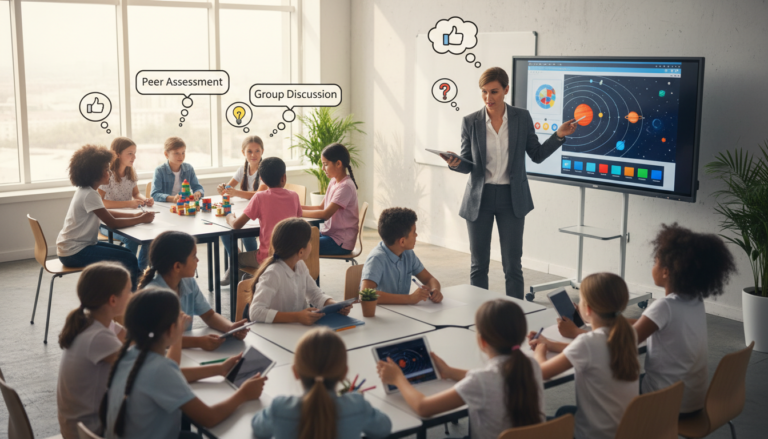
Instructional accommodations aim to modify teaching methods to support the diverse needs of learners. This may include varied instructional techniques, such as collaborative learning groups or differentiated assignments.
Case Study: Maplewood Middle School
At Maplewood Middle School, teachers employed a co-teaching model, pairing general education and special education teachers to provide targeted instruction. As a result, students with learning disabilities showed a marked increase in engagement and confidence.
Analysis: Collaborative teaching not only enhances learning experiences but also fosters a supportive environment conducive to success.
3. Assessment Accommodations
Testing and assessments can be particularly challenging for students with learning disabilities. Implementing alternative assessment strategies helps in fairly evaluating their knowledge without the added stress.
| Assessment Type | Traditional Method | Accommodation Option |
|---|---|---|
| Written Exams | Timed quizzes | Extended time |
| Projects | Individual submissions | Group collaboration |
| Oral Presentations | Public speaking | Private presentations |
4. Environmental Modifications
Creating an accommodating learning environment is crucial for students with learning disabilities. This can include adjustments to seating arrangements, noise levels, and classroom layout.
Case Study: Riverbank Elementary
Riverbank Elementary revamped their classrooms to include quiet zones for students who needed a distraction-free space. The result was a noticeable improvement in focus and academic performance among students with ADHD.
Analysis: Environmental adaptations demonstrate that mindful classroom design can directly impact student outcomes.
Collaborating with Families and Communities
Active engagement with families and communities significantly enhances the effectiveness of accommodations. By fostering open communication, schools can gain valuable insights into students’ backgrounds and needs.
Family Involvement Strategies
- Regular Updates: Keeping families informed about their child’s progress and challenges.
- Workshops: Offering workshops that educate families about learning disabilities and available resources.
- Resource Networks: Connecting families with local support groups and resources for additional assistance.
Building Teacher Capacity
For effective implementation of accommodations, professional development for teachers is essential. Training equips educators with the necessary skills and tools to address the complexities of learning disabilities.
Professional Development Approaches
- Workshops on Differentiated Instruction: Focusing on inclusive teaching methods.
- Peer Coaching: Pairing experienced teachers with those less familiar with disability accommodations.
- Online Resources: Offering access to webinars and courses on learning disabilities.
The Role of Technology
Technology is an invaluable ally in implementing effective accommodations. Assistive technologies can enhance learning experiences and promote independence among students with disabilities.
Assistive Technology Tools
- Text-to-Speech Software: Facilitates reading comprehension.
- Speech Recognition Software: Eases writing challenges for students with dysgraphia.
- Organizational Apps: Aids students in managing tasks and assignments.
Case Study: Greenfield High School
Greenfield High School integrated assistive technologies in their curriculum, providing tablets with specialized software. This advancement led to increased participation and reduced frustration in students with various learning disabilities.
Analysis: The Greenfield case highlights the transformative potential of technology in education, showcasing tangible benefits for students.
Policy Advocacy and Future Directions
While schools strive for inclusivity, advocacy at the policy level is vital for systemic change. Ensuring funding and resources for accommodations can lead to a more equitable learning environment.
Advocacy Strategies
- Engagement with Policymakers: Advocating for laws that support education for students with disabilities.
- Funding for Resources: Pursuing grants aimed at enhancing learning support and accommodations.
- Community Awareness Campaigns: Promoting understanding and empathy within the broader community.
Conclusion
Concretizing accommodations for learning disabilities requires persistence, empathy, and innovative strategies. "From Theory to Practice: Implementing Effective Accommodations for Learning Disabilities in Schools" highlights the importance of moving beyond knowledge to action. To ensure every student has access to quality education, we must embrace personalized approaches, involve families, enhance teacher training, and leverage technology.
In the journey from theory to practice, let’s champion inclusivity and empower every learner to thrive.
FAQs
1. What are learning disabilities?
Learning disabilities are neurological disorders that affect the brain’s ability to receive, process, and respond to information. They include conditions like dyslexia, ADHD, and dyscalculia.
2. How can teachers create effective accommodations?
Teachers can create accommodations by understanding individual student needs, employing varied instructional strategies, and collaborating with families for tailored support.
3. What legal requirements exist for accommodating students with disabilities?
The Individuals with Disabilities Education Act (IDEA) mandates that schools provide appropriate accommodations and support for students with disabilities, ensuring their right to a quality education.
4. Can technology help students with learning disabilities?
Yes, assistive technologies can significantly aid students with learning disabilities—enhancing reading, writing, and organizational skills.
5. What role do families play in supporting students with learning disabilities?
Families play a critical role by advocating for their child’s needs, collaborating with educators, and providing emotional support.
6. How can schools assess the effectiveness of accommodations?
Schools can assess the effectiveness of accommodations through regular evaluations of student progress, feedback from educators, and engagement with families.
This article illustrates how the journey from theory to practice in implementing effective accommodations for learning disabilities can truly transform the educational experience for students. By focusing on personalized strategies, collaborative efforts, and supportive environments, we can create a brighter future for all learners.
About the Author


Dr. Leah Howard, Positive Psychology
Dr. Howard is a researcher and advocate for positive psychology, focusing on human strengths, happiness, and well-being. Her writings explore how people can cultivate a positive mindset, improve resilience, and develop emotional intelligence to live fulfilling lives.