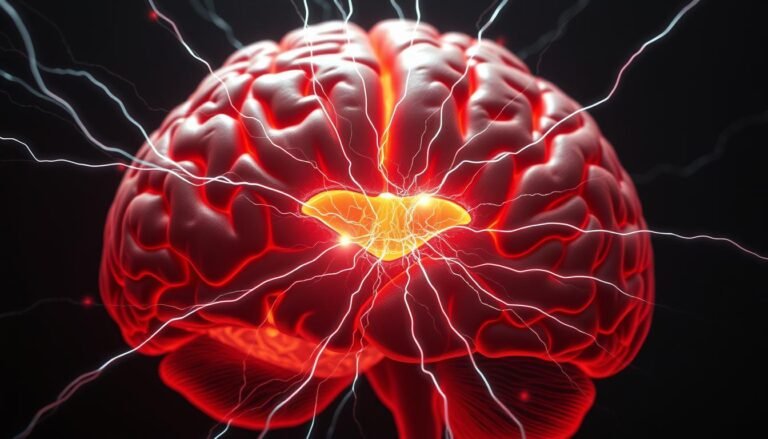
Harnessing the Placebo Effect: Turning Beliefs Into Real Medical Benefits
Introduction
Imagine walking into a doctor’s office, feeling apprehensive about your symptoms, and walking out with a sense of renewed hope—even before the treatment begins. This seemingly magical transformation is not just a figment of our imagination; it’s a phenomenon known as the placebo effect. In recent years, the medical community has started to delve deeper into Harnessing the Placebo Effect: Turning Beliefs Into Real Medical Benefits, uncovering profound implications for how we approach healthcare and well-being. This article aims to explore the depths of this phenomenon, providing you with valuable insights that could change the way you think about health and healing.
Understanding the Placebo Effect
What Is the Placebo Effect?
The placebo effect occurs when a patient experiences a tangible improvement in their condition after receiving a treatment that is inert—meaning it has no therapeutic effect. Often associated with sugar pills or saline injections, the power of belief plays a crucial role in this complex interaction between mind and body. Research suggests that our expectations and beliefs can lead to real biochemical changes, influencing everything from pain perception to recovery times.
Historical Context
The historia of the placebo effect dates back centuries. The term "placebo" comes from the Latin word meaning "I will please." Historical reference ranges from the use of magic and rituals in ancient medicine to the modern-day double-blind trials in clinical studies. As scientific innovation progressed, understanding the placebo effect became essential for medical trials.
The Science Behind the Placebo Effect
Neuroscience has begun to unravel the physiological mechanisms at play. Various studies have shown that the brain can release natural chemicals, such as endorphins and dopamine, in response to the belief that a treatment will work. These neurotransmitters can reduce pain and enhance mood—demonstrating an undeniable link between belief systems and physiological responses.
Case Studies: Real-World Applications
Case Study 1: Pain Management in Post-Operative Patients
One of the most compelling examples of Harnessing the Placebo Effect: Turning Beliefs Into Real Medical Benefits comes from pain management. A classic study conducted on post-operative patients divided participants into two groups: one received actual pain relief medication, while the other was administered a placebo but was informed that they might be receiving the active drug. Remarkably, those on the placebo reported substantial pain relief, demonstrating the power of expectation in managing pain.
Analysis: This case emphasizes how healthcare providers can better utilize the placebo effect in pain management, potentially reducing reliance on opioid medications.
Case Study 2: Allergy Treatment
In a study involving allergy sufferers, participants received either an antihistamine or a placebo. Remarkably, those who believed they were receiving the active drug reported significant improvements in symptoms, leading researchers to realize that a patient’s belief about the medication could influence their actual physiological response to allergens.
Analysis: This finding suggests that educating patients about the efficacy of treatments can amplify their effects, marking a crucial step in patient care.
Case Study 3: Effectiveness of Antidepressants
Research has shown that the placebo effect holds considerable power even in the realm of mental health. In clinical trials for antidepressants, up to 50% of participants on placebo reported significant improvements. Critics argue whether antidepressants are truly effective, but these findings illustrate the importance of belief in treating depression.
Analysis: Psychological interventions that enhance patients’ beliefs about their treatment could hold the key to improving outcomes in mental health.
Strategies for Harnessing the Placebo Effect
Encouraging Positive Expectations
One of the most effective strategies for Harnessing the Placebo Effect: Turning Beliefs Into Real Medical Benefits is fostering positive expectations. Healthcare professionals can help by discussing their patients’ likely outcomes in optimistic terms and ensuring that they understand the rationale behind their treatment. The language used can significantly affect patient perception and, ultimately, their results.
| Strategy | Details |
|---|---|
| Positive Framing | Use positive language to describe treatment outcomes and potential benefits. |
| Personal Engagement | Build trusting relationships to enhance the likelihood of positive expectations. |
| Educated Patients | Provide educational material about the treatment and its effectiveness. |
The Role of Healthcare Providers
Healthcare providers can play a vital role in manipulating the placebo effect. Whether through the tone of voice, body language, or even how they physically administer treatments, the healthcare setting can significantly influence a patient’s belief about their recovery.
Incorporating Mind-Body Techniques
Integrating mind-body techniques, such as meditation, mindfulness, and guided imagery, into treatment protocols can enhance the placebo effect. These methods help patients cultivate a positive mindset, further embedding the belief that their treatment is working.
Ethical Considerations
The Fine Line Between Placebo and Deception
While harnessing the placebo effect opens exciting avenues for enhanced patient care, ethical implications arise. Is it ever justified to use a placebo without the patient’s knowledge? This dilemma is central to the debate on ethics in healthcare, and while research shows that informed patients often experience a stronger placebo response, transparency remains a cornerstone of ethical medical practice.
Future Directions
Integrative Medicine
The future of medicine seems to be leaning toward a more integrative approach, combining traditional treatment methods with the understanding of psychological and emotional well-being. As we delve deeper into the interplay between belief and health, practitioners may begin incorporating the principles of the placebo effect more systematically.
Personalized Medicine
With advancements in genetic research and personalized medicine, future healthcare could be tailored not just to the physical symptoms but also to individual beliefs and predispositions. By understanding each patient’s background, doctors can harness their specific beliefs to enhance treatment efficacy.
Conclusion
In conclusion, the power of Harnessing the Placebo Effect: Turning Beliefs Into Real Medical Benefits cannot be overstated. As demonstrated through various studies and real-world applications, our beliefs and expectations significantly shape our health outcomes. By fostering positive expectations, embracing mind-body techniques, and considering the ethical implications, the medical community can better utilize this fascinating phenomenon. As we move forward, a more personalized and integrative healthcare model may pave the way for effective healing that is as much about the mind as it is about the body.
FAQs
1. What is the placebo effect?
The placebo effect is a remarkable phenomenon where a patient experiences real improvements in their health after receiving a treatment that has no therapeutic effect, largely due to belief and expectation.
2. Can the placebo effect work for all conditions?
While the placebo effect is most commonly observed in pain management and psychological conditions, it may vary in effectiveness depending on the individual and the condition being treated.
3. Are placebos ethical to use in medical treatments?
Using placebos raises ethical questions, particularly regarding patient consent and honesty. Healthcare providers must navigate the ethical landscape carefully—transparency is crucial.
4. How can healthcare providers harness the placebo effect?
Healthcare providers can encourage positive expectations, build trusting relationships, and use personalized communication to harness the placebo effect effectively.
5. What role does psychological state play in the placebo effect?
A patient’s psychological state significantly influences the placebo effect; positive beliefs and emotional well-being can amplify treatment outcomes.
By understanding and Harnessing the Placebo Effect: Turning Beliefs Into Real Medical Benefits, we can open new doors to healthier futures. It’s time to embrace not just the science, but the profound influence of belief in healing.
About the Author


The PsyForU Editorial Collective is the research and editorial team of PsyForU Research International. The collective prepares educational, psychological, mental-health-awareness, inclusion, neurodiversity, and research-methodology content for students, parents, educators, researchers, and general readers. PsyForU content is intended for awareness, education, and capacity-building and should not be treated as clinical diagnosis, therapy, medical advice, legal advice, or emergency mental-health support.