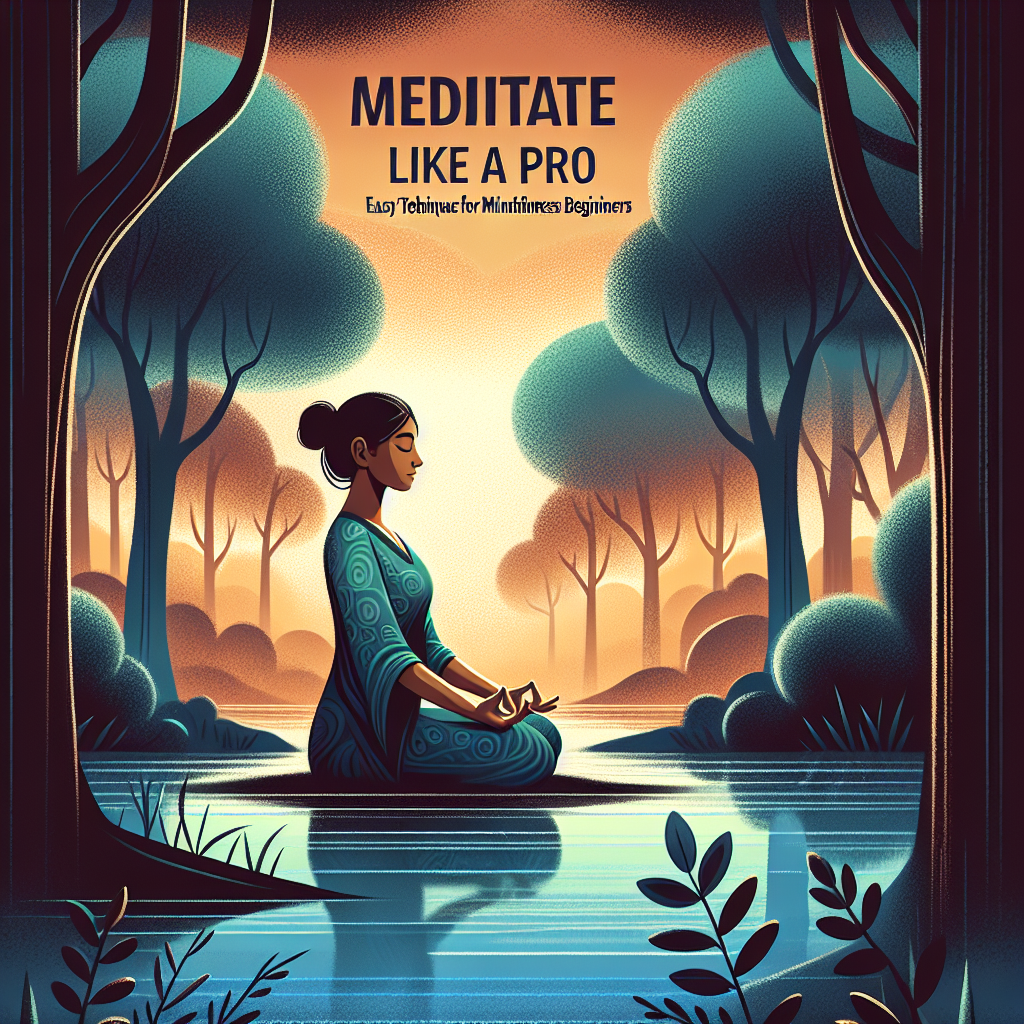
Meditate Like a Pro: Essential Techniques for Mindfulness Beginners
Introduction
In a world that often feels overwhelmingly fast-paced and chaotic, the age-old practice of meditation emerges as a beacon of calm. The phrase "Meditate Like a Pro: Easy Techniques for Mindfulness Beginners" may seem intriguing, yet what does it truly mean for someone just stepping onto the path of mindfulness? If you feel lost, anxious, or simply overwhelmed by life’s demands, you are not alone. Millions are turning to meditation for clarity, peace, and improved mental health.
This article will pave the way for beginners by introducing easy yet effective techniques to meditate like a pro. We will explore the transformative power of mindfulness, share captivating case studies, and provide actionable insights to help you harness the benefits of meditation. By the end, you will not only understand the importance of meditation but also feel equipped to incorporate it into your daily life.
Understanding Mindfulness and Meditation
What is Mindfulness?
Mindfulness is the practice of being fully present and engaged in the moment, aware of your thoughts and feelings without judgment. It encourages a deeper connection with yourself and the environment, promoting emotional resilience and clarity.
The Role of Meditation in Mindfulness
Meditation serves as a tool to cultivate mindfulness. This practice requires focus and intention, ultimately leading to a calmer mind and greater awareness.
Table 1: Differences Between Mindfulness and Meditation
| Aspect | Mindfulness | Meditation |
|---|---|---|
| Definition | Present-moment awareness | Focused attention practice |
| Duration | Ongoing throughout the day | Usually part of a fixed time |
| Techniques | Everyday activities with awareness | Structured techniques (e.g., breath awareness, visualization) |
Easy Techniques to Meditate Like a Pro
Now that we have set the stage, let’s delve into some practical techniques designed for mindfulness beginners. These approaches are user-friendly and do not require a significant time investment, making them perfect for those with busy lives.
1. Breathing Meditations
One of the simplest ways to start meditating is by focusing on your breath. Here’s how you can do it:
- Find a Comfortable Position: Sit or lie down in a quiet space where you’re less likely to be disturbed.
- Close Your Eyes: This helps limit distractions.
- Inhale Deeply: Count to four as you fill your lungs.
- Hold for a Moment: Pause for a count of four.
- Exhale Slowly: Count to six as you let out the air.
Duration: Start with just five minutes a day and gradually increase as you become more comfortable.
Case Study: Sarah, a corporate professional, found that dedicating ten minutes in the morning to breathing techniques improved her focus and substantially reduced her anxiety levels. By committing to "Meditate Like a Pro: Easy Techniques for Mindfulness Beginners," she transformed her morning routine and enhanced her overall productivity.
2. Guided Meditation
Guided meditations are a fantastic way for beginners to ease into the practice without feeling overwhelmed.
- Where to Find Resources: Use apps like Headspace or Insight Timer, or search for free guided meditations on platforms like YouTube.
- Setting the Scene: Create a comfortable environment with dim lighting and perhaps some soothing music.
Expected Outcomes: Users often find themselves enjoying a deeper relaxation state, allowing for heightened awareness and stress relief.
Case Study: Mark, a college student, struggled with stress related to exams. After using a guided meditation app for a few weeks, he reported improved sleep and decreased anxiety. His journey exemplifies how anyone can "Meditate Like a Pro: Easy Techniques for Mindfulness Beginners."
3. Body Scan Meditation
The body scan is a technique where awareness is moved through different parts of the body. It enhances mindfulness and relaxation.
- How-To:
- Lie down comfortably.
- Close your eyes and start by focusing on your toes.
- Gradually shift your attention up to your ankles, knees, and so on, pausing to notice sensations in each area.
Benefits: This technique cultivates an awareness of bodily sensations, fostering a deeper connection to yourself.
Case Study: Jessica, a nurse, utilized body scan techniques after stressful shifts. She noticed that incorporating this practice helped her decompress, providing her with the tools to manage stress better.
4. Nature Connections
Engaging with nature is a profound way to practice mindfulness.
- Technique: Go for a mindful walk in a park. Pay close attention to your surroundings; notice the colors of the leaves, the sounds of the birds, and how the ground feels beneath your feet.
- Mindful Questions: To deepen the experience, ask yourself questions like “What emotions arise when I see the trees?” or “How does the breeze feel against my skin?”
Impact: Nature immerses you in the present, allowing for a powerful mindfulness experience.
Case Study: Tom, an urban dweller, discovered that combining his walks with mindfulness made each outing therapeutic. He shared that stepping away from screens and reconnecting with nature helped him "Meditate Like a Pro" while enjoying the simple pleasures around him.
Tips for Sustaining Your Practice
Start Small
Don’t feel pressured to commit long hours to meditation. Start with just five minutes per day and build gradually.
Create a Routine
Consistency is key. Choose a specific time each day that fits your schedule, whether it’s morning, lunch break, or evening.
Be Patient
Mindfulness is a skill that develops over time. It’s normal to encounter distractions; the key is returning your focus gently.
Join a Community
Consider joining a local meditation group or online community. Sharing experiences can bolster motivation and foster deeper learning.
Conclusion
Meditating doesn’t have to be complicated. By implementing the techniques we’ve discussed, you can easily "Meditate Like a Pro: Easy Techniques for Mindfulness Beginners." Whether you choose breathing exercises, guided meditations, body scans, or nature walks, each method offers unique benefits.
Takeaway
As you embark on this journey, remember to be kind to yourself. Mindfulness is about the journey itself, not the destination. Embrace each step and enjoy the profound transformations that occur along the way.
FAQs
1. How long should I meditate as a beginner?
Start with five to ten minutes a day and gradually increase the duration as you become more comfortable.
2. Can I meditate anywhere?
Yes! You can meditate in a quiet room, on a park bench, or even during your commute if you’re not driving.
3. What if my mind wanders during meditation?
It’s completely normal! Gently guide your thoughts back to your focus point, whether it’s your breath or a visualization.
4. How can I stay motivated to meditate regularly?
Consider setting a daily reminder, joining a meditation group, or using guided apps to keep you motivated.
5. Is meditation for everyone?
Yes, meditation can be beneficial for anyone, regardless of age, background, or lifestyle!
Through integrating these techniques into your daily routine, you can cultivate a mindful life filled with peace and clarity. May your meditation journey be fulfilling and rewarding!
About the Author