Introduction
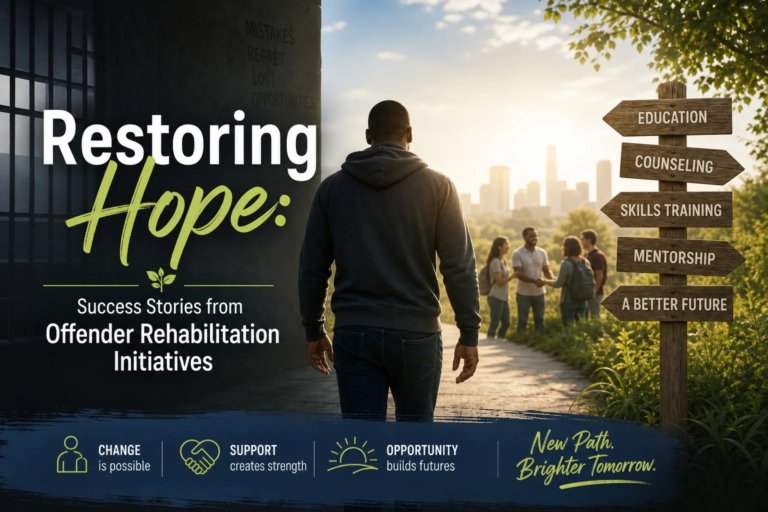
Imagine a world where the criminal justice system not only punishes offenders but transforms them into productive members of society. The reality is that rehabilitation is not just an ideal; it is a necessity. Rehabilitation in Focus: The Impact of Correctional Psychology on Recidivism emphasizes the essential role of psychological principles in reducing repeat offenses. With nearly 70% of released prisoners being rearrested within five years, understanding how correctional psychology can mitigate recidivism is critical. This article explores the foundations of correctional psychology, delves into innovative rehabilitation programs, and highlights successful case studies, revealing that change is not only possible—it’s attainable.
Understanding Correctional Psychology
What is Correctional Psychology?
Correctional psychology is a specialized branch of psychology that focuses on understanding the behaviors, needs, and rehabilitation processes of offenders. By applying psychological theories and practices, correctional psychologists seek to address the underlying issues contributing to criminal behavior, including trauma, addiction, and mental health disorders.
Key Components of Correctional Psychology:
- Assessment: Evaluating the psychological profiles of offenders to develop individualized treatment plans.
- Intervention: Implementing therapeutic strategies, such as cognitive behavioral therapy (CBT), to address harmful thought patterns.
- Prevention: Developing programs that reduce the likelihood of reoffending through skill-building and support networks.
The Relationship Between Rehabilitation and Recidivism
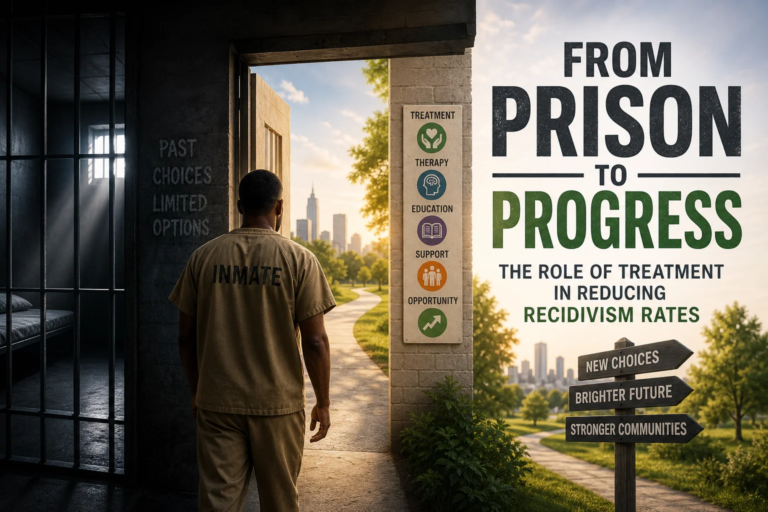
Recidivism, the tendency of formerly incarcerated individuals to reoffend, is a pressing concern in the criminal justice system. The relationship between effective rehabilitation and recidivism is profound; evidence consistently shows that tailored psychological interventions can significantly decrease reoffending rates. Studies indicate that rehabilitative efforts can lower recidivism rates by as much as 30-50% when implemented appropriately.
Innovative Rehabilitation Programs
Cognitive Behavioral Therapy (CBT)
Cognitive Behavioral Therapy (CBT) is a cornerstone of correctional psychology, targeting the cognitive distortions and behavioral patterns that contribute to criminal behavior. CBT helps individuals understand their thoughts and feelings, paving the way for positive behavior change.
Case Study: The Effectiveness of CBT in Prison Settings
A groundbreaking study conducted at the Maryland Correctional Institution for Women showed that inmates who participated in CBT programs exhibited a 40% reduction in recidivism compared to those who did not. This substantial drop highlights the effectiveness of Rehabilitation in Focus: The Impact of Correctional Psychology on Recidivism and demonstrates that integrating psychological interventions can lead to transformative outcomes.
Substance Abuse Programs
Substance abuse often underlies criminal behavior. Comprehensive treatment programs that blend psychological counseling with addiction recovery can significantly lower recidivism rates.
Case Study: The Drug Court Model
The Drug Court Model has garnered attention for its innovative approach to treating offenders with substance abuse issues. Research indicates that participants in drug courts have a 25% lower likelihood of recidivism compared to traditional court systems.
Chart: Recidivism Rates Across Different Models
| Model | Recidivism Rate (%) |
|---|---|
| Traditional Court | 75% |
| Drug Court | 50% |
| CBT Intervention | 40% |
| Holistic Programs | 30% |
Mindfulness and Emotional Regulation
Recent psychological research has emphasized mindfulness-based interventions as a powerful tool to help offenders manage their emotions and reduce impulsivity, leading to lower rates of recidivism.
Case Study: The Mindfulness Project
The Mindfulness Project in California has demonstrated promising results, with participants reporting a 35% reduction in aggressive behavior and a notable decrease in recidivism rates.
Challenges in Implementing Rehabilitation Programs
While the results are promising, Rehabilitation in Focus: The Impact of Correctional Psychology on Recidivism faces several obstacles:
- Funding Issues: Many rehabilitation programs suffer from insufficient funding, limiting their reach and effectiveness.
- Staffing Shortages: A lack of qualified professionals in correctional facilities can hinder the implementation of effective psychological interventions.
- Stigmatization: Offenders often face societal stigma, making reintegration challenging even after rehabilitation.
The Role of Stakeholders
Correctional Psychologists
Correctional psychologists play a crucial role in assessing and developing tailored rehabilitation programs. Their expertise helps ensure that psychological interventions are evidence-based and effectively address the unique needs of offenders.
Policy Makers
Policymakers must prioritize funding for rehabilitation strategies informed by psychological research. Investing in evidence-based programs can lead to better societal outcomes by significantly reducing recidivism.
Community Resources
Engaging community resources, such as non-profit organizations and support groups, can enhance rehabilitation efforts by offering ongoing support to individuals after their release.
Conclusion
Through the lens of Rehabilitation in Focus: The Impact of Correctional Psychology on Recidivism, it is evident that innovative psychological interventions can drastically reduce recidivism rates. We must invest in these programs, championing the idea that rehabilitation is not just a charitable endeavor—it’s a pragmatic approach to fostering safer communities and giving offenders a second chance at life. As we continue to champion these evidence-based practices, let us remember: Change is not just achievable; it is essential for the well-being of both individuals and society as a whole.
FAQs
1. What is the primary goal of correctional psychology?
The primary goal of correctional psychology is to understand and address the psychological needs of offenders to reduce recidivism through tailored rehabilitation programs.
2. How does CBT help in reducing recidivism?
Cognitive Behavioral Therapy helps offenders recognize and change harmful thought patterns and behaviors, ultimately promoting healthier decision-making.
3. What are some common barriers to effective rehabilitation programs?
Common barriers include limited funding, staffing shortages, and societal stigma, which can impede the successful reintegration of offenders into the community.
4. In what ways can community organizations assist in the rehabilitation process?
Community organizations can provide resources, support networks, and job training programs, enhancing the rehabilitation process and helping offenders reintegrate into society.
5. What evidence supports the effectiveness of rehabilitation programs?
Numerous studies have shown that rehabilitation programs, especially those that incorporate psychological principles, can lead to significant reductions in recidivism rates, often reported at 30-50%.
By focusing on the transformative power of rehabilitation through correctional psychology, we pave the way for a more just and compassionate society, reminding us that everyone deserves a second chance—not just for themselves, but for all of us.
About the Author


The PsyForU Editorial Collective is the research and editorial team of PsyForU Research International. The collective prepares educational, psychological, mental-health-awareness, inclusion, neurodiversity, and research-methodology content for students, parents, educators, researchers, and general readers. PsyForU content is intended for awareness, education, and capacity-building and should not be treated as clinical diagnosis, therapy, medical advice, legal advice, or emergency mental-health support.