Wounds Beneath the Surface: Understanding Trauma’s Effect on Mental Health
Introduction
Imagine a world where the wounds you cannot see cut deeper than those visible to the naked eye. This personal landscape may resonate with many individuals who silently battle trauma and its array of psychological impacts. Wounds Beneath the Surface: Understanding Trauma’s Effect on Mental Health underscores the urgency of recognizing these hidden injuries, not only for those who endure them but also for communities striving for healing and understanding. In an age of increasing awareness around mental health, we must dissect these complex emotional wounds and explore comprehensive healing methods.
In this article, we will delve into the multifaceted relationship between trauma and mental health, armed with genuine insights, case studies, and practical strategies for healing. Let’s embark on this journey together, as we seek to illuminate the shadows of unaddressed trauma and discover pathways to recovery and resilience.
The Psychological Landscape of Trauma
Defining Trauma
Trauma, in its essence, refers to an experience or event that is emotionally painful or distressing. It may stem from a single incident, such as abuse or a natural disaster, or accumulate over time from chronic stress due to factors like neglect or ongoing familial conflict. Understanding the types of trauma—acute, chronic, and complex—is essential for recognizing how they affect mental health.
- Acute Trauma: Resulting from a singular, distressing event.
- Chronic Trauma: Resulting from repeated and prolonged exposure to highly stressful events.
- Complex Trauma: Exposure to multiple traumatic events, often of an invasive nature (e.g., chronic abuse).
The Impact of Trauma on Mental Health
Numerous studies link trauma to heightened risks for a range of mental health disorders, including PTSD, anxiety, depression, and substance abuse. The relationship is complex; not everyone who experiences trauma will develop lasting effects, but for many, the scars remain.
Case Study: The Impact of Childhood Abuse
Consider the case of Sarah, who experienced abuse during her formative years. Years later, she found herself struggling with anxiety and depression. After seeking therapy, she discovered that her mental distress was rooted in her childhood experiences. Therapy facilitated her understanding of Wounds Beneath the Surface: Understanding Trauma’s Effect on Mental Health, helping her rebuild her life.
The Neurobiology of Trauma
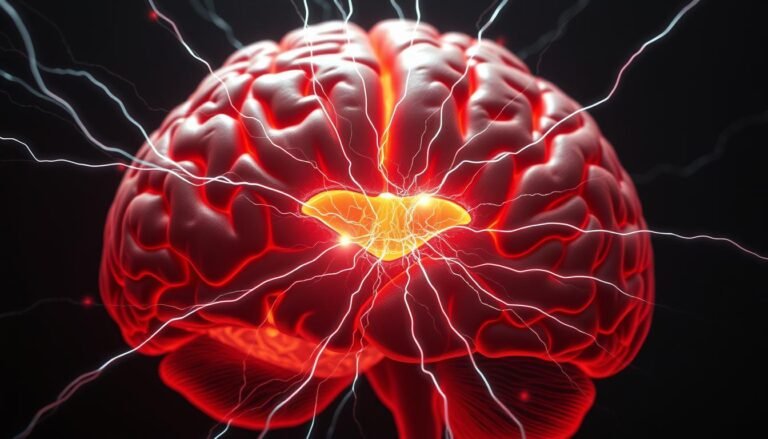
Trauma doesn’t merely reside in emotional memories; it rewires our brains. The stress response system, comprising the amygdala (the fear center), hippocampus (memory), and prefrontal cortex (decision-making), gets disrupted. Trauma can lead to hyperarousal, avoidance behavior, and impaired emotional regulation.
- Table 1: Neurobiological Effects of Trauma
| Brain Area | Effect of Trauma | Resulting Behavior |
|---|---|---|
| Amygdala | Heightened reactivity to threats | Increased fear responses |
| Hippocampus | Impaired ability to process memories | Difficulty distinguishing past from present |
| Prefrontal Cortex | Reduced functioning and decision-making abilities | Increased impulsivity |
Types of Trauma Responses
Acute vs. Chronic Responses
Trauma responses can manifest acutely, with symptoms appearing shortly after the event, or chronically, where symptoms develop gradually and can persist for years. Understanding these differences can aid in identifying the right treatment approaches.
Case Study: First Responders
First responders, like paramedics, frequently encounter traumatic situations that can lead to acute stress responses. One such respondent, Mike, exhibited symptoms like flashbacks and emotional numbness after a particularly harrowing event. With an understanding of Wounds Beneath the Surface: Understanding Trauma’s Effect on Mental Health, Mike sought psychological support, enabling him to cope and process his experiences.
Trauma and the Body: The Somatic Connection
Body Memory
The connection between mind and body is profound, where unresolved trauma can manifest physically. Somatic symptoms may include chronic pain, fatigue, and gastrointestinal issues. Recognizing the integration of emotional and physical health is crucial for holistic healing.
Healing Choices: Somatic Therapies
Somatic therapies, such as yoga and dance, can foster healing by reconnecting individuals with their bodies. Incorporating these practices into a therapeutic regimen can lead to long-lasting emotional benefits.
Healing Trauma: Therapeutic Approaches
Traditional Psychotherapy
- Cognitive Behavioral Therapy (CBT): Focuses on challenging negative thought patterns.
- Eye Movement Desensitization and Reprocessing (EMDR): Utilizes guided eye movements to help process traumatic memories.
Alternative Modalities
Consider integrating complementary therapies like art therapy, mindfulness, and acupuncture into a healing plan. These approaches can resonate differently with individuals, highlighting the importance of personalized care.
Case Study: The Power of EMDR
Emma, a survivor of a traumatic car accident, underwent EMDR therapy. Initially skeptical, she found that the methodology brought forth buried memories, allowing her to process her experience and reduce anxiety. Emma’s story illustrates the significance of Wounds Beneath the Surface: Understanding Trauma’s Effect on Mental Health in therapeutic settings.
Community and Trauma: The Healing Process
Community plays a vital role in trauma recovery. Support networks can create a cocoon of safety, allowing individuals to express their experiences and emotions without judgment.
Support Systems
A support system may include family, friends, therapists, or support groups. Community engagement, like group therapy, encourages individuals to share their stories, creating a collective healing environment.
Case Study: The Role of Support Groups
David attended a support group after losing a loved one to violence. The shared experiences fostered a deep understanding of collective trauma, demonstrating how community can mend Wounds Beneath the Surface: Understanding Trauma’s Effect on Mental Health.
The Role of Mindfulness and Resilience in Recovery
Building Resilience
Resilience is a crucial factor in recovery from trauma. By developing coping mechanisms, individuals can navigate distressing emotions and situations more effectively.
- Table 2: Strategies for Building Resilience
| Strategy | Description |
|---|---|
| Mindfulness | Practicing present-moment awareness |
| Journaling | Expressing thoughts and emotions on paper |
| Social Connection | Engaging with supportive relationships |
Mindfulness as a Healing Tool
Mindfulness techniques can help individuals stay grounded and attuned to their emotions. By practicing mindfulness, people can observe their thoughts and feelings without judgment, a critical step in healing.
Conclusion
As we have explored the intricate relationship between trauma and mental health, it is evident that Wounds Beneath the Surface: Understanding Trauma’s Effect on Mental Health is an ongoing journey for many individuals and communities. Recognizing trauma’s profound effects paves the way for informed discussions, empathetic approaches, and effective therapeutic practices. Healing is not linear; rather, it involves understanding, community support, and resilience.
In your journey, remember that acknowledging your experiences is the first step towards healing. You are not alone, and combined efforts can help us truly comprehend and address the intricate layers of trauma.
FAQs
1. What is the difference between PTSD and acute stress disorder?
PTSD develops after a traumatic event and lasts for more than a month, while acute stress disorder occurs within the first month following exposure to trauma.
2. How can I identify if I am experiencing trauma?
Signs of trauma may include intrusive thoughts, emotional numbness, mood swings, and avoidance behaviors. If you’re experiencing these symptoms, consider seeking help from a mental health professional.
3. Can children experience trauma in the same way adults do?
Yes, children can experience trauma differently, often manifesting through behavioral changes, regression, and difficulties in school and relationships.
4. Is it possible to heal from trauma?
Yes, while it can be a long and complex process, there are numerous effective therapies and support systems that can facilitate healing.
5. How can I support a friend who has experienced trauma?
Listen without judgment, encourage them to seek professional help, and respect their feelings and boundaries.
By collaborating on understanding and addressing Wounds Beneath the Surface: Understanding Trauma’s Effect on Mental Health, we can pave a path toward healing for ourselves and our communities. Let us open our hearts and minds, embracing our journeys while nurturing collective resilience.
About the Author