From Misunderstandings to Clarity: The Ultimate Guide to Better Communication in Relationships
Introduction
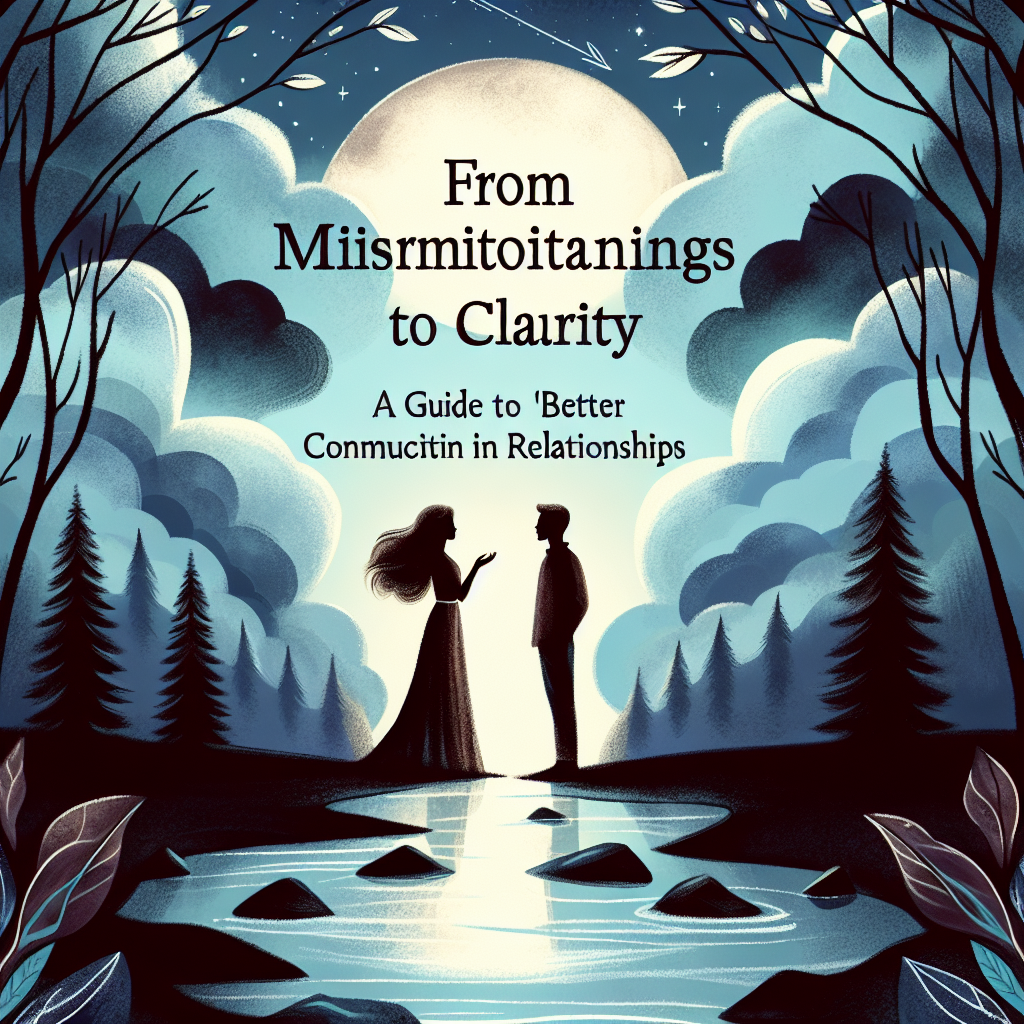
In today’s fast-paced world, effective communication is the bedrock of healthy relationships. When misunderstandings arise, they can create a chasm between partners, friends, or family members, often leading to frustration and resentment. This article, From Misunderstandings to Clarity: A Guide to Better Communication in Relationships, is crafted to illuminate the pathways to clearer communication, helping you foster deeper connections. Let’s explore the elements that lead to confusion, how to navigate them, and transform every misunderstanding into a stepping stone toward clarity.
Understanding the Foundations of Communication
The Basics: What is Communication?
At its core, communication is the process of sending and receiving messages. While this may seem straightforward, the nuances of verbal and non-verbal communication introduce complexities. These intricacies often lead to misinterpretations.
The Importance of Clarity
The goal of communication should be clarity, not just the transmission of words. A recent study found that effective communication reduces the likelihood of conflict by 85%. This stark statistic underscores why achieving clarity in relationships is essential.
Varieties of Miscommunication
Miscommunication can manifest in several ways, from tone and body language to misinterpretations of context and intention. Common types include:
- Verbal Miscommunication: Misheard words or incorrect phrasing.
- Non-verbal Miscommunication: Body language that contradicts spoken words.
- Assumptive Miscommunication: Making assumptions about what the other person means without confirming.
Table 1: Common Types of Miscommunication
| Type of Miscommunication | Description | Example |
|---|---|---|
| Verbal | Misheard phrases | "I’ll be there at six" perceived as "I’ll be there at eight" |
| Non-verbal | Mixed signals in body language | Crossing arms while stating you’re open to ideas |
| Assumptive | Jumping to conclusions | Assuming your partner is upset without asking |
Breaking Down Barriers: How to Communicate Effectively
Active Listening
Active listening is key to effective communication. This involves fully engaging with the speaker, demonstrating understanding, and responding thoughtfully.
Case Study: The Johnsons
Consider the Johnsons, a couple facing communication issues. During a heated discussion, Jason found himself interrupting Rachel, leading to escalating tensions. Once they implemented active listening techniques, such as summarizing each other’s points before responding, their discussions became more productive. This clear transformation is an example of how From Misunderstandings to Clarity: A Guide to Better Communication in Relationships can benefit any partnership.
Empathy and Understanding
Approaching conversations with empathy can drastically change dynamics. Practicing empathy encourages you to understand the feelings and perspectives of others.
Asking Clarifying Questions
When clarity is lacking, asking questions can prevent misunderstandings. Clarifying statements, such as, “Do you mean…?” or “Can you elaborate?” invite deeper conversations.
Case Study: The Smiths
The Smiths faced constant misinterpretations about finances. By incorporating clarifying questions, they transformed their financial discussions, leading not just to clearer communication but also to shared goals. This paradigm shift exemplifies a key principle conveyed in our guide on From Misunderstandings to Clarity: A Guide to Better Communication in Relationships.
Non-verbal Communication: The Unspoken Elements
Understanding Body Language
Research indicates that up to 93% of communication effectiveness comes from non-verbal cues. Body language, eye contact, and even silence play significant roles in the message delivered.
The Role of Facial Expressions
Subtle facial expressions can convey more than words. Recognizing these cues can help you respond appropriately and thoughtfully.
Integrating Non-verbal Cues
When verbal and non-verbal messages align, understanding increases. If someone says they’re open to feedback but their body language says otherwise, communication falters.
Table 2: Key Non-verbal Signals
| Gesture | Meaning | Example |
|---|---|---|
| Arms crossed | Defensive posture | Person feels threatened or closed off |
| Eye contact | Engagement and honesty | Indicates that the speaker is involved |
| Nodding | Agreement and encouragement | Shows understanding or affirmation |
Navigating Conflict: Turning Misunderstandings into Growth Opportunities
Embracing Healthy Conflict
Conflict is inevitable in any relationship. The goal is not to avoid conflict but to navigate it constructively.
Case Study: The Parkers
The Parkers experienced frequent arguments over household responsibilities. Instead of avoiding the issue, they approached conflict by discussing how to share tasks more equally, leading to a healthier dynamic. This serves as a reminder that From Misunderstandings to Clarity: A Guide to Better Communication in Relationships often involves tackling difficult conversations head-on.
Seeking Solutions Together
Focus on problem-solving rather than winning an argument. Collaborative approaches to conflict can foster understanding and teamwork.
Building Trust: The Cornerstone of Good Communication
Establishing Transparency
Being open about feelings and intentions builds trust. When both parties feel secure, communication can flourish.
The Impact of Vulnerability
Vulnerability in communication creates deeper connections. Sharing personal feelings can lead to immense growth in relationships.
Case Study: The Coopers
The Coopers were initially reluctant to express their fears. As they began sharing their insecurities with each other, their trust deepened, and this change resulted in much clearer and more effective communication. Their experience exemplifies how From Misunderstandings to Clarity: A Guide to Better Communication in Relationships unlocks new levels of emotional intimacy.
Practical Strategies for Better Communication
Journaling to Reflect
Keeping a communication journal can help you reflect on conversations, highlighting areas for improvement.
Role-Playing Difficult Scenarios
Engaging in role-playing can prepare you for challenging conversations, allowing you to rehearse your responses and approach.
Regular Check-ins
Scheduling regular relationship check-ins can foster open dialogue, making it easier to address potential issues before they escalate.
Table 3: Practical Communication Strategies
| Strategy | Benefit |
|---|---|
| Journaling | Encourages self-reflection |
| Role-Playing | Prepares you for challenging discussions |
| Regular Check-ins | Proactively addresses issues in relationships |
Conclusion
The journey from misunderstandings to clarity is essential for fostering meaningful relationships. By embracing active listening, empathy, and open dialogue, you can transform conflicts into opportunities for growth and deeper understanding.
Remember that strong communication is a skill that can always be improved. As you embark on this journey, take actionable steps guided by the principles outlined in this article. Embrace vulnerability, practice active listening, and take the time to engage with those you care about.
FAQs Section
1. What are common barriers to effective communication?
Common barriers include distractions, assumptions, emotional responses, and cultural differences.
2. How can I improve my listening skills?
Practice active listening by making eye contact, avoiding interruptions, and summarizing what the other person says.
3. Why is non-verbal communication important?
It provides cues that can either reinforce or contradict verbal messages, playing a vital role in how messages are interpreted.
4. How should I handle conflicts?
Approach conflicts with a problem-solving mindset, focusing on collaboration rather than confrontation.
5. What role does trust play in communication?
Trust forms the foundation of effective communication, making individuals feel safe to express their thoughts and feelings openly.
By implementing the strategies discussed in From Misunderstandings to Clarity: A Guide to Better Communication in Relationships, you can build stronger connections, foster understanding, and enrich your relationships. Start your journey today, and watch your interpersonal dynamics transform for the better.
About the Author


The PsyForU Editorial Collective is the research and editorial team of PsyForU Research International. The collective prepares educational, psychological, mental-health-awareness, inclusion, neurodiversity, and research-methodology content for students, parents, educators, researchers, and general readers. PsyForU content is intended for awareness, education, and capacity-building and should not be treated as clinical diagnosis, therapy, medical advice, legal advice, or emergency mental-health support.