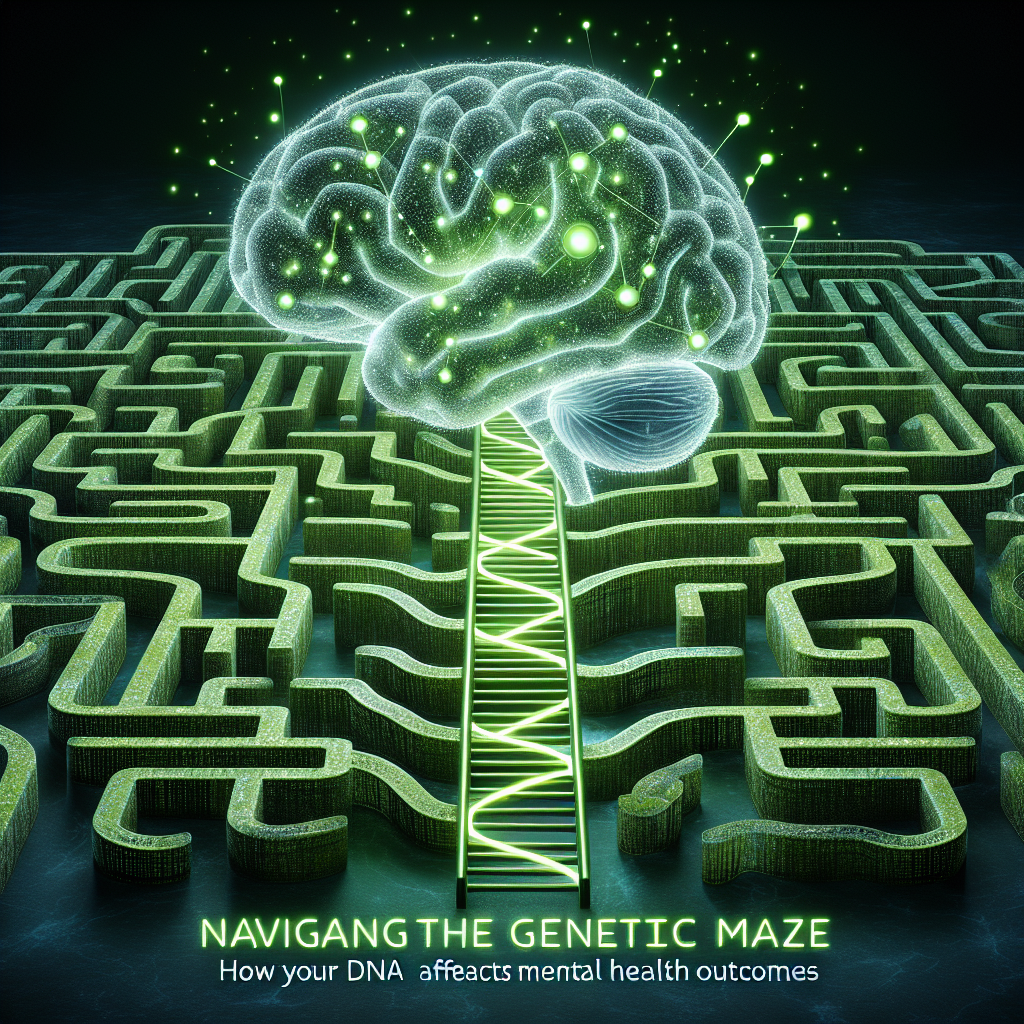
Navigating the Genetic Maze: How Your DNA Affects Mental Health Outcomes – The Ultimate Guide
Introduction
Imagine unearthing a roadmap that could explain not just your physical traits but also your emotional responses, stress levels, and even your susceptibility to mental health disorders. "Navigating the Genetic Maze: How Your DNA Affects Mental Health Outcomes" dives into the intricate relationship between our genetic makeup and mental health. Understanding this connection could serve as the key to unlocking new pathways for treatment and self-awareness.
Recent studies show that genetics contribute to various mental health conditions, from depression and anxiety to schizophrenia and bipolar disorder. This connection has profound implications for self-understanding, treatment approaches, and even enhancing preventive measures against mental health disorders. So, let’s embark on this journey through the complex landscape of genetics and mental health.
The Genetic Blueprint
Understanding DNA
At the core of navigating the genetic maze is DNA—the molecule that carries our genetic instructions. Each person’s genetic makeup is unique, composed of around 20,000-25,000 genes, which dictate not just physical traits, but also brain chemistry and functions.
Key Takeaway:
- DNA is the roadmap for our biology, influencing everything from physical appearance to mental health.
The Role of Genetic Variants
Not all genes are created equal. Single nucleotide polymorphisms (SNPs) are variations in our DNA that can influence individual responses to environmental factors, potentially increasing the risk of mental health disorders. When discussing "Navigating the Genetic Maze: How Your DNA Affects Mental Health Outcomes," it’s essential to consider how these SNPs function.
Relevant Case Study:
A study conducted on participants with Major Depressive Disorder identified specific SNPs in the serotonin transporter gene (5-HTT). Individuals with certain variations in this gene were found to have different responses to SSRIs (selective serotonin reuptake inhibitors), highlighting the genetic basis for varied treatment efficacy.
| Gene Variant | Associated Condition | Treatment Response |
|---|---|---|
| 5-HTTLPR | Major Depressive Disorder | Variable (SSRIs efficacy) |
The Environment Matters
Gene-Environment Interaction
While genes play a crucial role in mental health, environmental factors can significantly influence gene expression—a concept known as epigenetics. Stressful life events, trauma, and social context can activate or deactivate certain genes, further complicating our understanding of "Navigating the Genetic Maze: How Your DNA Affects Mental Health Outcomes."
Case Study Analysis:
A longitudinal study on children exposed to traumatic experiences found that certain genetic dispositions to anxiety and depression could be altered by positive environmental interventions, such as supportive parenting and community engagement. This illustrates the transformative power of the environment on genetic predispositions.
Protective Factors
An individual’s resilience to mental health disorders may also be influenced by genetics. Some people possess genetic markers that offer a protective shield against mental health issues, even when exposed to adverse environmental conditions.
Common Mental Health Disorders: A Genetic Perspective
Depression
Research shows a highly heritable component to depression, with estimates ranging from 30% to 40% attributable to genetic factors. The BDNF (brain-derived neurotrophic factor) gene is one of the most studied genes in relation to depression susceptibility.
Key Insights:
- Individuals with certain BDNF polymorphisms may have a higher risk for depression but can also respond better to specific therapies, such as cognitive-behavioral therapy.
Anxiety Disorders
Anxiety disorders are also linked to genetic variants. The COMT (catechol-O-methyltransferase) gene is involved in dopamine metabolism, which is crucial for emotional regulation.
Case Study Snapshot:
A family study revealed that anxiety disorders often run in families, emphasizing genetic risk factors. However, interventions tailored to the individual’s genetic profile showed promising results.
Schizophrenia
Schizophrenia is a complex disorder with a significant genetic component. The heritability of schizophrenia is estimated to be around 80%. Various genes, including the DISCI gene, have been implicated in the disorder’s pathophysiology.
Genetic Testing: The New Frontier
The Emergence of Genetic Testing
Navigating the genetic maze isn’t just an academic exercise; it’s increasingly practical. Genetic testing is becoming more accessible, allowing individuals to gain insights into their mental health predispositions.
Benefits and Limitations
- Benefits: Understanding one’s genetic predisposition can help in tailoring preventive measures and treatments.
- Limitations: Genetic testing can lead to anxiety and confusion, especially if results are misinterpreted or misunderstood.
Future of Precision Psychiatry
As we strive to unravel how "Navigating the Genetic Maze: How Your DNA Affects Mental Health Outcomes," the future promises a more personalized approach to mental health treatment, including pharmacogenomics, where medication can be tailored based on an individual’s genetic profile.
Conclusion
Navigating the genetic maze of mental health requires a synthesis of genetic understanding and environmental awareness. We are on the cusp of significant breakthroughs that could redefine mental health care through personalized approaches.
This knowledge empowers you to take charge of your mental health journey, seeking interventions that align with your unique genetic profile and life situation. Whether through lifestyle changes, therapy, or genetic testing, understanding your genetic makeup can provide invaluable insights.
FAQs
1. Can genetics alone determine my mental health?
No, while genetics play a significant role, environmental factors and personal experiences also heavily influence mental health.
2. How can I find out if I have a genetic predisposition to mental health issues?
Genetic testing through healthcare providers can provide insights into your mental health risks.
3. Are there interventions for those with a genetic predisposition?
Yes, personalized treatment plans can significantly improve outcomes for those with genetic risk factors.
4. What is epigenetics?
Epigenetics is the study of how environmental factors can influence gene expression, potentially impacting mental health.
5. How can I support a loved one with genetic predispositions to mental health disorders?
Educate yourself on the condition, offer emotional support, and encourage them to seek professional help.
By embracing the understanding of "Navigating the Genetic Maze: How Your DNA Affects Mental Health Outcomes," individuals can embark on a more informed, proactive mental health journey. The interplay of genes and environment opens possibilities for enhanced well-being and a brighter future.
About the Author


Dr. Leah Howard, Positive Psychology
Dr. Howard is a researcher and advocate for positive psychology, focusing on human strengths, happiness, and well-being. Her writings explore how people can cultivate a positive mindset, improve resilience, and develop emotional intelligence to live fulfilling lives.