Introduction
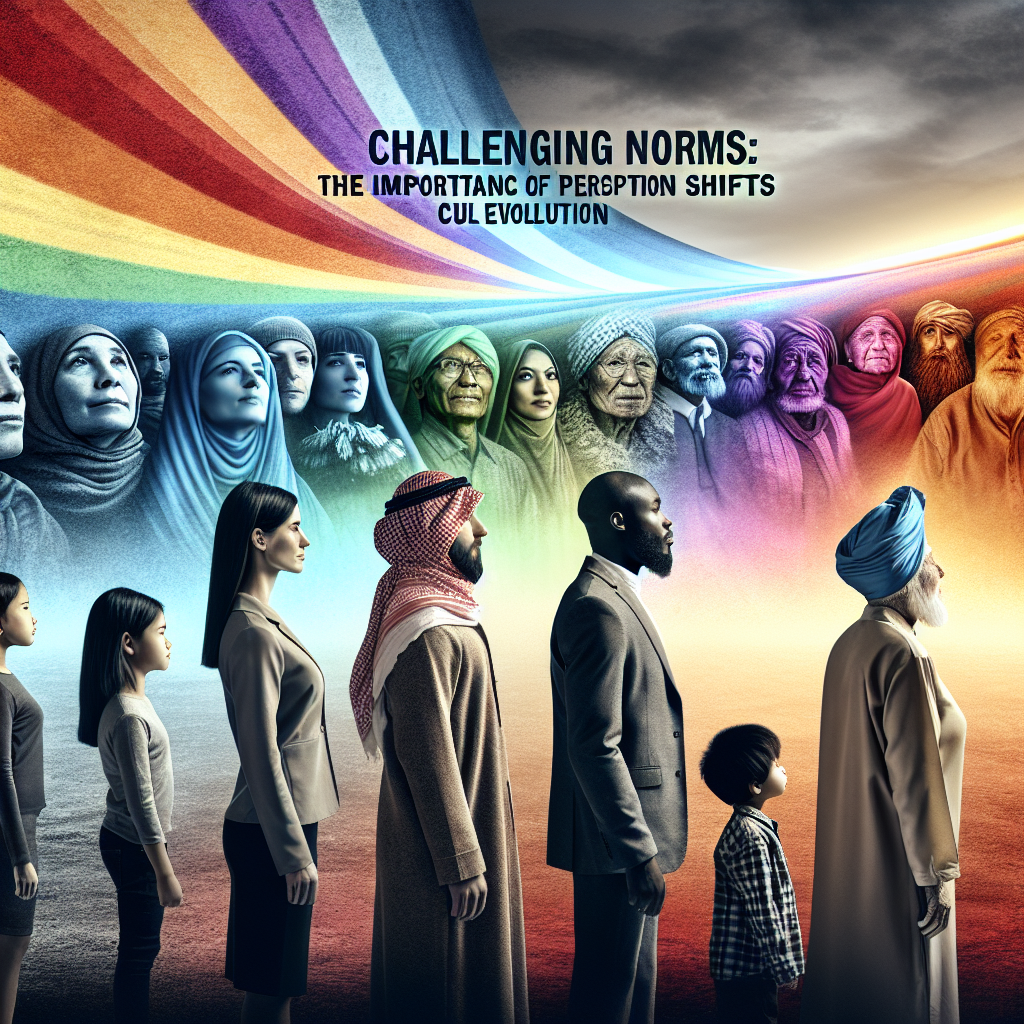
Every great leap in human progress has often been sparked by a simple yet profound shift in perception. From the abolition of slavery to the adoption of LGBTQ+ rights, the most significant cultural evolutions throughout history stem from individuals and communities challenging deeply entrenched norms. The journey of challenging norms is not merely a rebellion; it’s an essential part of humanity’s collective evolution. In this article, we will explore Challenging Norms: The Importance of Perception Shifts in Cultural Evolution—how these shifts can create new pathways for understanding and engaging with the world, and why they are vital for our future.
The Dynamics of Cultural Norms
What Are Cultural Norms?
Cultural norms are the unwritten rules that govern behavior in society. They are the values, beliefs, and practices that individuals often take for granted, shaping how we see ourselves and others. Norms can dictate everything from what we wear to how we communicate, influencing societal structures and individual identities alike.
Why Challenges Arise
Cultural norms don’t exist in a vacuum. They evolve over time, influenced by various factors such as technological advancements, social movements, and the blending of cultures. However, they can also become stagnant, stifling creativity and innovation. When individuals or groups begin to question these norms, they lay the groundwork for perception shifts that can catalyze cultural evolution.
Case Study: The Civil Rights Movement
The Civil Rights Movement in the United States serves as an exemplary case study of challenging norms. Activists like Martin Luther King Jr. and Rosa Parks dared to defy the deeply entrenched racial segregation norms of their time. This collective challenge brought about a reckoning of societal perceptions regarding race, leading to significant legal and social changes. The emphasis on non-violent protest facilitated shifts in public perception, which were vital for the enactment of the Civil Rights Act of 1964.
Analysis
The Civil Rights Movement exemplifies how challenging norms can be both a collective and an individual endeavor. When communities unite to question the status quo, they can create ripples that eventually lead to sweeping cultural changes.
Mechanisms of Perception Shifts
The Role of Education and Awareness
Perception shifts often begin with education. By providing people with new information or perspectives, we expand their understanding of various social issues. For instance, educational programs around gender and diversity can challenge traditional views, ultimately fostering acceptance and inclusivity.
Case Study: Awareness Campaigns for Mental Health
Consider campaigns like Bell Let’s Talk, aimed at breaking the stigma surrounding mental health. Through open discussions and increased visibility, these initiatives have shifted societal perceptions significantly. More people are now able to openly discuss mental health issues, leading to increased advocacy, legislation, and acceptance.
Table 1: Impact of Mental Health Awareness Campaigns
| Year | % Change in Public Perception (Awareness) | Relevant Legislation Passed |
|---|---|---|
| 2010 | 25% | None |
| 2013 | 40% | Mental Health Act Revision |
| 2016 | 60% | Increased Funding for Services |
| 2020 | 75% | Mental Health Support Programs |
Analysis
The Bell Let’s Talk campaign illustrates how shifting perceptions can have direct implications for policy and societal attitudes. Education and awareness function as the initial catalyst for challenging norms, which can lead to tangible changes in how society approaches mental health.
The Power of Narrative
Storytelling as a Tool for Change
Humans are inherently drawn to storytelling. The narratives we tell shape our understanding of the world. By sharing alternative stories—especially those of marginalized communities—we can challenge existing norms and catalyze perception shifts.
Case Study: The Representation of LGBTQ+ Individuals in Media
The portrayal of LGBTQ+ individuals in film and television has shifted remarkably over the past few decades. Shows like "Will & Grace" and later "Pose" have played a pivotal role in changing public perceptions of LGBTQ+ lives. By placing authentic narratives in front of mainstream audiences, these shows have not only provided visibility but have also challenged long-standing stereotypes.
Analysis
This case study reflects how representation matters. Media has the power to challenge norms, shape perceptions, and foster acceptance. When stories resonate with broader audiences, they help to normalize experiences that were once marginalized.
Technological Advancements: A Double-Edged Sword
The Impact of Social Media
Social media platforms have revolutionized the way we interact and share information. They can act as powerful tools for challenging norms, providing a space for grassroots movements to grow and for individual voices to be amplified.
Case Study: #MeToo Movement
The #MeToo movement uses social media to challenge cultures of silence surrounding sexual harassment and assault. By sharing personal stories online, individuals have collectively reframed societal perceptions regarding consent and accountability.
Table 2: Growth of #MeToo
| Year | Tweets/Posts | Key Outcomes |
|---|---|---|
| 2017 | 1 million | Increased Victim Reporting |
| 2018 | 5 million | Legislative Changes |
| 2019 | 10 million | Cultural Conversations |
Analysis
The #MeToo movement exemplifies how technology can provide a platform for challenging norms at a rapid pace. It shows how shifts in perception can influence laws, conversations, and societal standards.
Institutional Support for Change
The Role of Organizations
Organizations—be they governmental, non-profit, or corporate—play a crucial role in institutionalizing perception shifts. They can create policies that encourage diversity and inclusion, thereby challenging traditional norms.
Case Study: Corporations and Diversity Initiatives
Firms like Salesforce have implemented extensive diversity initiatives aimed at increasing representation in the workplace. By doing so, they not only challenge norms surrounding race and gender but also improve their own organizational culture and performance.
Analysis
This case study emphasizes that institutional policies can have wide-reaching implications. Organizations that challenge norms can lead to broader cultural acceptance, influencing public perceptions at large.
The Interconnectedness of Perception Shifts
Globalization and Cultural Exchange
As our world becomes increasingly interconnected, the ability to challenge norms on a global scale grows. Different cultures can learn from one another, leading to collective perception shifts that can catalyze cultural evolution.
Case Study: The Global Climate Movement
The climate crisis has necessitated a worldwide challenge to norms regarding consumption and sustainability. Movements like Fridays for Future have emerged, with individuals from diverse backgrounds uniting under a shared vision of environmental responsibility.
Analysis
The global climate movement exemplifies how collective action and shared experiences can challenge norms and lead to significant shifts in societal values. It illustrates the potential for perception shifts to mobilize communities worldwide toward common goals.
Tools for Fostering Perception Shifts
Dialogue: Encourage conversations that address challenging topics. Forums, workshops, and community discussions foster understanding.
Education: Develop curriculums that include diverse perspectives and challenge normative viewpoints, especially in schools.
Art and Media: Utilize various media forms—films, music, literature—to challenge existing perceptions and tell stories that reflect diverse experiences.
- Grassroots Advocacy: Support local movements that seek to challenge societal norms, amplifying marginalized voices.
Conclusion
Challenging norms is not merely an act of defiance; it’s a vital component of cultural evolution. As we have explored, the importance of perception shifts transcends individual instances—it lays the groundwork for entire civilizations to grow and adapt. The case studies and examples presented underscore the power of community, dialogue, and education in fostering understanding and acceptance.
To make meaningful impacts in today’s society, we must each take action—be it through advocacy, storytelling, or simply opening our minds to perspectives different from our own. Remember, every great transformation starts with a single shift in perception.
FAQs
1. Why is challenging norms important for cultural evolution?
Challenging norms is crucial because it enables societies to adapt, innovate, and grow. It opens the door to new ideas and fosters inclusivity.
2. How can individuals contribute to perception shifts?
Individuals can contribute by engaging in discussions, educating others, and advocating for underrepresented voices. Simple actions can spark significant changes.
3. What role does education play in challenging cultural norms?
Education raises awareness and provides individuals with the tools to question and analyze norms. It promotes critical thinking and empathy.
4. How can technology assist in challenging norms?
Technology, particularly social media, serves as a platform for amplifying voices and raising awareness about social issues, facilitating rapid cultural shifts.
5. Are there risks associated with challenging cultural norms?
Yes, challenging norms can sometimes lead to backlash or resistance. However, it can also foster dialogue and understanding, paving the way for positive change.
In essence, the journey of Challenging Norms: The Importance of Perception Shifts in Cultural Evolution invites us to reflect on our role in shaping a more inclusive and understanding world. As we challenge norms, we become catalysts for change, helping to forge a future that is not only enlightened but also united in diversity.
About the Author


Dr. Leah Howard, Positive Psychology
Dr. Howard is a researcher and advocate for positive psychology, focusing on human strengths, happiness, and well-being. Her writings explore how people can cultivate a positive mindset, improve resilience, and develop emotional intelligence to live fulfilling lives.