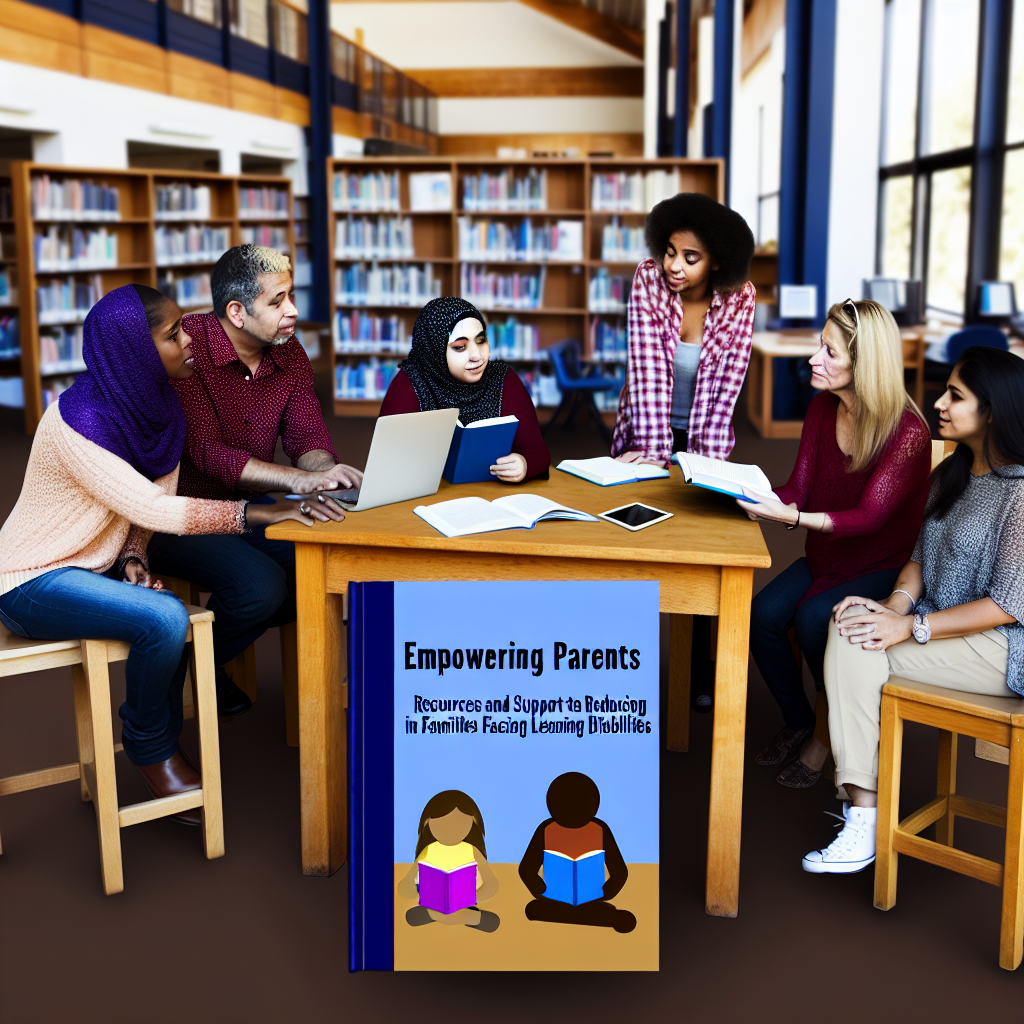
Empowering Parents: Essential Resources and Support for Reducing Anxiety in Families Facing Learning Disabilities
Introduction
Imagine waiting at the edge of a cliff, poised to jump into the unknown, your heart racing and mind swirling with fears and doubts. This is how many parents feel when they discover their child has a learning disability. They face a multitude of challenges: anxiety about their child’s future, concerns about educational support, and uncertainty about their parenting skills. However, there’s hope. Empowering Parents through resources and support can alleviate this anxiety, creating a nurturing environment for both children and families.
In this comprehensive article, we will delve into effective strategies, practical resources, and essential support systems tailored to help families navigating learning disabilities. This journey is not just about understanding learning disabilities but also about embracing the power and resilience of parents as advocates for their children.
Understanding Learning Disabilities
What are Learning Disabilities?
Learning disabilities are neurological disorders that affect the brain’s ability to receive, process, or communicate information. While they vary in severity and type—such as dyslexia (reading difficulties), dyscalculia (math struggles), and ADHD (attention deficits)—the impact on children and families is profound. Parents often worry about their child fitting in, succeeding academically, and achieving their full potential.
The Emotional Toll on Families
Families dealing with learning disabilities often experience heightened levels of anxiety. According to the National Center for Learning Disabilities, parents of children with learning disabilities report more stress compared to those without. This anxiety can manifest in various ways, including:
- Overprotectiveness
- Isolation
- Communication breakdown
- Strain on family dynamics
Understanding this emotional landscape is the first step in empowering parents and reducing anxiety.
Empowering Parents: Key Resources
1. Knowledge is Power: Educational Workshops
Case Study: The Learning Lab
In a small community, a nonprofit called The Learning Lab offers monthly workshops for parents of children with learning disabilities. These workshops cover topics such as understanding IEPs (Individualized Education Programs), effective advocacy, and emotional support strategies. Parents who attended reported feeling more confident and equipped to handle their child’s educational challenges.
Relevance Analysis: This case study demonstrates that parents who are informed and educated about their child’s needs are better equipped to advocate for necessary resources, significantly reducing their anxiety levels.
2. Support Groups: A Safe Space
Table: Comparing Different Types of Support Groups
| Support Group Type | Features | Benefits |
|---|---|---|
| In-Person Groups | Face-to-Face | Emotional Connection |
| Online Forums | 24/7 Availability | Anonymity, Broad Reach |
| Family Conferences | Networking | In-depth Learning |
Support groups provide an invaluable space for parents to share experiences and strategies. These gatherings cultivate community, reduce feelings of isolation, and offer encouragement. Additionally, connecting with others facing similar challenges can inspire resilience and hope.
3. Professional Guidance: Therapists and Counselors
Why Professional Support Matters
Engaging with therapists who specialize in learning disabilities can help parents process their anxieties. Techniques such as Cognitive Behavioral Therapy (CBT) have been particularly effective in managing parental stress.
Case Study: Counseling Connections
Counseling Connections is a therapy center that specifically addresses family dynamics in learning disabilities. Parents reported a vastly improved emotional well-being after engaging in regular therapy sessions, emphasizing the importance of professional support in empowering parents.
Relevance Analysis: By addressing anxiety directly through professional help, families can create a more supportive home environment, ultimately benefiting the child’s development.
Practical Strategies for Reducing Anxiety at Home
1. Establishing Routines
Creating structured daily routines can significantly reduce anxiety for both parents and children. Routines give children with learning disabilities a sense of predictability, which promotes security and focus.
2. Open Communication
Encouraging open dialogues about learning disabilities helps normalize the experience. Families can benefit immensely from discussing feelings, fears, and experiences candidly, creating a supportive atmosphere.
3. Mindfulness and Stress Reduction Techniques
Practicing mindfulness techniques—such as deep breathing exercises, meditation, or yoga—can help parents manage anxiety. These practices empower parents to remain present and grounded amidst challenges.
4. Celebrating Small Wins
Recognizing and celebrating achievements, no matter how small, fosters a positive environment. This recognition can reduce anxiety by shifting focus from challenges to successes.
External Support Systems
1. Educational Resources and Funding Assistance
Finding appropriate educational resources can feel daunting. Organizations like the National Center for Learning Disabilities and Understood.org offer extensive guides, tools, and funding options for education tailored to children with learning disabilities.
Table: Resources for Educational Support
| Resource Name | Type | Target Audience |
|---|---|---|
| Understood | Website | Parents & Educators |
| NCLD | Advocacy Group | Parents & Legislation |
| LD Online | Information Hub | Parents, Students |
2. Community Programs
Local communities often provide programs designed to support families. From after-school tutoring services to summer camps tailored for children with learning disabilities, these resources can lessen the load for parents.
Building a Supportive Network
1. Engaging with Schools
Building a relationship with your child’s school is essential. Participate in school meetings, communicate regularly with teachers, and seek their insights on your child’s progress.
Case Study: School-Home Collaborative Program
At Springfield Elementary, parents and teachers collaborated through a structured program that aimed to merge school and home learning. This initiative not only improved academic performance but also fostered a sense of community among parents.
Relevance Analysis: The success of collaboration indicates that involvement in a child’s education can mitigate parental anxiety, emphasizing the role of teamwork in improving outcomes.
2. Utilizing Technology
Technology has transformed the way we seek support. Apps designed to assist parents in tracking their child’s learning progress, while connecting with online support communities, can be powerful tools in reducing anxiety.
Conclusion
Empowering Parents: Resources and Support for Reducing Anxiety in Families Facing Learning Disabilities is a journey filled with challenges, but it is also paved with opportunities. By accessing available resources and building robust support networks, parents can transform anxiety into empowerment. Through education, collaboration, and self-care, families can foster resilience and positivity.
As you navigate this path, remember: you are not alone, and every small step you take can lead to significant change. Surround yourself with support, stay informed, and celebrate every achievement. The road may be challenging, but with the right resources and support, brighter days are ahead.
FAQs
1. What are the most common learning disabilities?
Common learning disabilities include dyslexia, dyscalculia, ADHD, and auditory processing disorder. Each affects learning in different ways.
2. How can support groups help me as a parent?
Support groups offer a platform for sharing experiences, gaining insights, and receiving emotional support from those who understand your challenges.
3. What should I look for in a tutor for my child?
Look for tutors with experience in learning disabilities, a personalized teaching approach, and a nurturing demeanor.
4. How can I best communicate my child’s needs to their school?
Schedule regular meetings, prepare specific questions and concerns, and be proactive in discussing your child’s progress and challenges.
5. What are some quick stress relief techniques I can use?
Techniques such as deep breathing exercises, short mindfulness practices, or a quick walk can help alleviate immediate stress.
By addressing these questions and highlighting the multifaceted nature of support, we aim to empower you even further on this journey. Remember, every effort counts in creating a bright future for your child.
About the Author


Dr. Leah Howard, Positive Psychology
Dr. Howard is a researcher and advocate for positive psychology, focusing on human strengths, happiness, and well-being. Her writings explore how people can cultivate a positive mindset, improve resilience, and develop emotional intelligence to live fulfilling lives.