The Ultimate Guide to Collaborative Approaches: Involving Families in Lesson Plans for Children with Learning Disabilities
Introduction
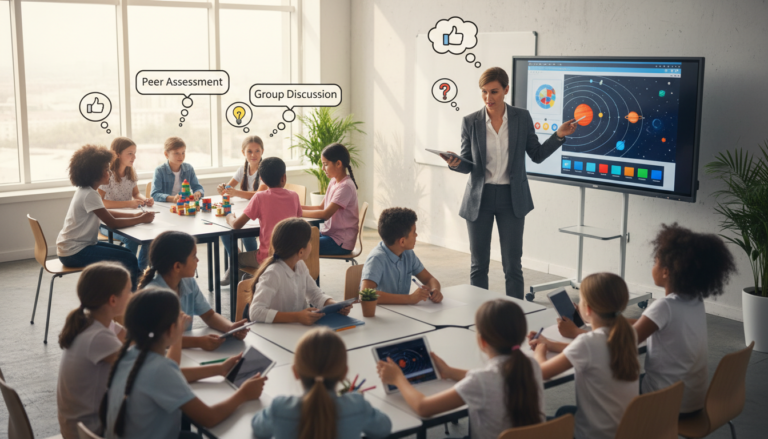
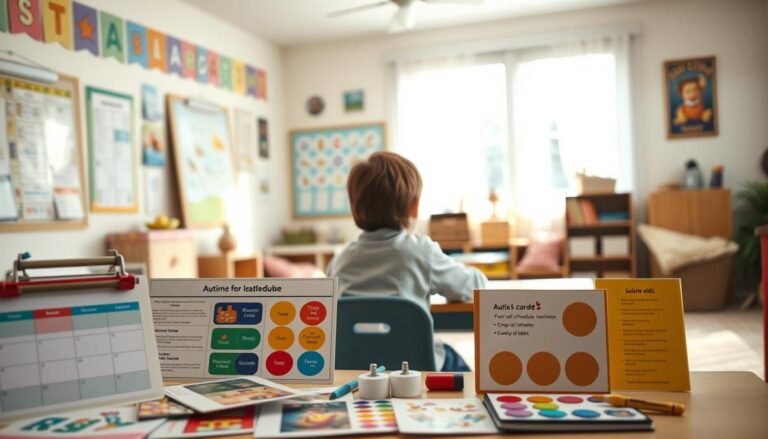
In the diverse landscape of education, understanding and addressing the unique needs of children with learning disabilities is crucial. As these children navigate their academic journeys, the involvement of their families can make all the difference. Collaborative approaches that include families in lesson planning are not just beneficial; they are essential for fostering a supportive and effective learning environment. This article delves into the benefits, case studies, and strategies for successfully incorporating families into lesson plans for children with learning disabilities, allowing for a more inclusive and collaborative educational experience.
Understanding the Importance of Collaboration
1. Defining Learning Disabilities
Learning disabilities encompass a range of disorders that affect an individual’s ability to process information. Conditions such as dyslexia, dyscalculia, and ADHD are among the most common. Understanding these disabilities is the first step toward creating effective lesson plans that cater to each child’s unique needs.
2. The Role of Families in Education
Families are a child’s first teachers. Their insight into a child’s strengths, weaknesses, preferences, and learning styles is invaluable. Collaborative approaches recognize that families should play an active role in the educational process, bridging the gap between home and school.
3. Benefits of Collaborative Approaches
- Enhanced Communication: Open lines of communication between educators and families foster trust and mutual respect.
- Holistic View of the Child: Families provide a comprehensive understanding of their child’s behavior, interests, and emotional state.
- Increased Motivation and Engagement: When families are involved, children may feel more motivated and supported.
Key Strategies for Involving Families
1. Building Strong Relationships
Case Study: The Johnson Family
The Johnson family struggled to understand their son, Ethan, who had dyslexia. By inviting the parents to share their experiences and insights during an initial meeting, the teacher was able to formulate a lesson plan that utilized Ethan’s interest in favorite storytelling styles. This collaboration improved Ethan’s engagement and resulted in a notable increase in his reading abilities.
Analysis
The strength of this case lies in the authentic partnership between the educator and the family. By prioritizing relationships, educators can create an inclusive atmosphere conducive to learning.
2. Regular Communication
Establishing regular points of contact—think weekly updates, phone calls, or newsletters—ensures families feel involved. Communication shouldn’t just be about struggles; celebrating small victories can be equally important.
| Communication Method | Frequency | Purpose |
|---|---|---|
| Phone Calls | Weekly | Address concerns & successes |
| Newsletters | Monthly | Update on lessons, share tips |
| Meetings | Quarterly | Goal-setting & feedback |
3. Collaborative Lesson Planning
Developing lesson plans together can be transformative. Teachers can share drafts of lesson plans with families, inviting input to ensure the plans are tailored to meet the child’s needs.
Case Study: The Martinez Family
In a collaborative effort, Ms. Bryant worked with the Martinez family to design a lesson plan that incorporated bilingual resources for their daughter, Sofia, who struggles with language processing. By introducing culturally relevant materials, Sofia thrived, showing marked improvement in her reading and comprehension skills.
Analysis
This case illustrates how culturally responsive teaching can be achieved through family involvement, leading to enhanced educational outcomes for children with learning disabilities.
4. Resource Sharing
Educators and families can benefit from sharing resources. Whether it’s books, games, or online tools, this collaboration can further enrich the child’s learning experience.
5. Workshops and Training
Organizing workshops where families can learn about learning disabilities, educational strategies, and tools can empower them to be advocates for their children. These training sessions can be crucial in equipping families with the knowledge they need to support learning at home.
Creating Inclusive Learning Environments
The Importance of Culturally Responsive Teaching
Culturally responsive teaching acknowledges the varied backgrounds of students. Integrating this approach within collaborative lesson plans allows educators to cater to the diverse needs of children with learning disabilities while involving their families in the process.
Strategies for Inclusivity
- Diverse Learning Materials: Use resources that reflect the cultural backgrounds of all students.
- Adaptable Teaching Methods: Employ multiple teaching strategies to reach all learners.
Challenges in Collaboration
While the benefits of involving families are clear, there can be challenges.
Barriers to Collaboration
- Communication Gaps: Language barriers or differences in communication styles can hinder collaboration.
- Time Constraints: Families may have limited time to engage with educators, leading to missed opportunities for input.
- Parental Anxiety: Some parents may feel intimidated or overwhelmed by the educational process.
Solutions to Overcome Challenges
- Community Resources: Partner with local organizations that can provide translation services or workshops for families.
- Flexible Meeting Times: Offer meetings at various times, including evenings or weekends, to accommodate family schedules.
Evaluating Success
Metrics for Collaboration
Evaluation of collaborative approaches can be complex but essential. Here are some methods to assess the effectiveness of involving families in lesson plans:
- Feedback Surveys: After implementing collaborative strategies, solicit feedback from families about their experiences and ideas.
- Student Progress Tracking: Monitor academic progress pre-and-post collaboration to see improvement.
Case Study: The Thompson School District
The Thompson School District implemented a comprehensive family engagement program, resulting in a 40% increase in student achievement scores for children with learning disabilities. By involving families in the process, the district reported increased satisfaction among both parents and educators.
Analysis
This example vividly demonstrates the direct correlation between family involvement in education and student success.
Conclusion
In summary, collaborative approaches that involve families in lesson plans for children with learning disabilities are not just beneficial, but vital. The insights gleaned from parents, alongside the expertise of educators, form a partnership that can significantly enhance the learning experience. By implementing strategies that foster collaboration—building relationships, maintaining communication, and sharing resources—educators can create a more inclusive and supportive environment for all students. As we move forward, let’s champion these collaborative initiatives, ensuring that every child, particularly those with learning disabilities, is given the opportunity to thrive.
FAQs
1. What are the main benefits of involving families in lesson planning?
Involving families creates a holistic view of the child, enhances communication between home and school, and increases student motivation.
2. How can educators effectively communicate with families?
Regular updates, newsletters, personalized phone calls, and community workshops can keep families informed and engaged.
3. What are some common barriers to family involvement?
Barriers may include communication difficulties, time constraints, and parental anxiety regarding the educational system.
4. How can families contribute to lesson planning?
Families can share insights about their child’s interests, strengths, and challenges, providing valuable input for tailoring lesson plans.
5. What resources are available for families of children with learning disabilities?
Many organizations offer materials, training sessions, and workshops tailored to help families understand and support their children’s needs.
6. How can schools evaluate the effectiveness of collaborative approaches?
Schools can use feedback surveys, monitor academic progress, and conduct family engagement assessments to evaluate success.
By championing Collaborative Approaches: Involving Families in Lesson Plans for Children with Learning Disabilities, we can ensure a supportive, enriching experience for every child, providing them with the tools they need to succeed.
About the Author


Dr. Leah Howard, Positive Psychology
Dr. Howard is a researcher and advocate for positive psychology, focusing on human strengths, happiness, and well-being. Her writings explore how people can cultivate a positive mindset, improve resilience, and develop emotional intelligence to live fulfilling lives.