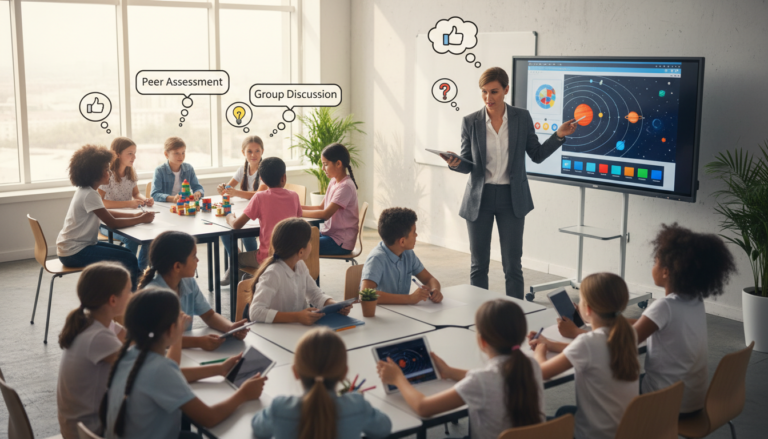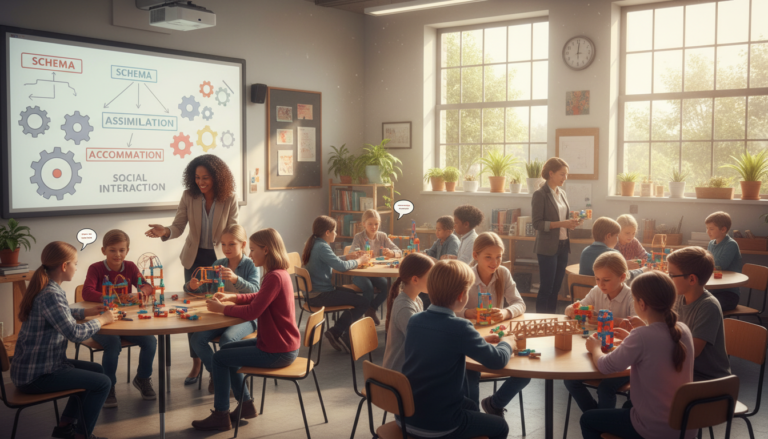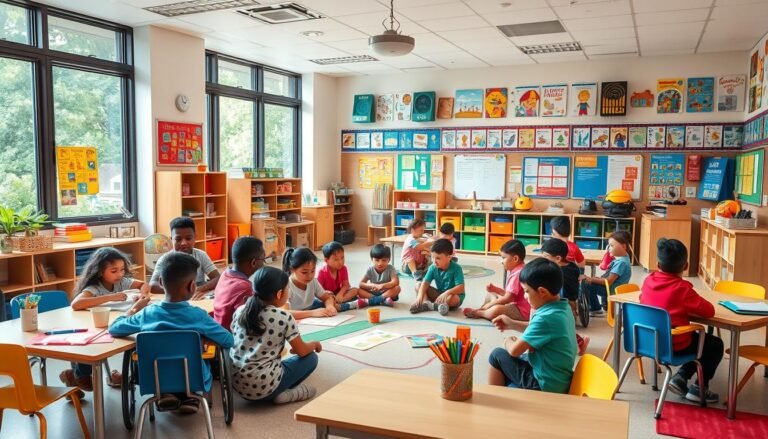
The key is to enhance student engagement through innovative curriculum design. This approach tackles modern educational challenges. Traditional methods often fail to connect learners with real-world needs. It’s time for a change in Indian schools.
Higher education focuses on three main areas: knowledge production, continuation, and distribution. These are the building blocks of effective learning. Curricula are more than just documents—they are dynamic tools for lifelong learning.
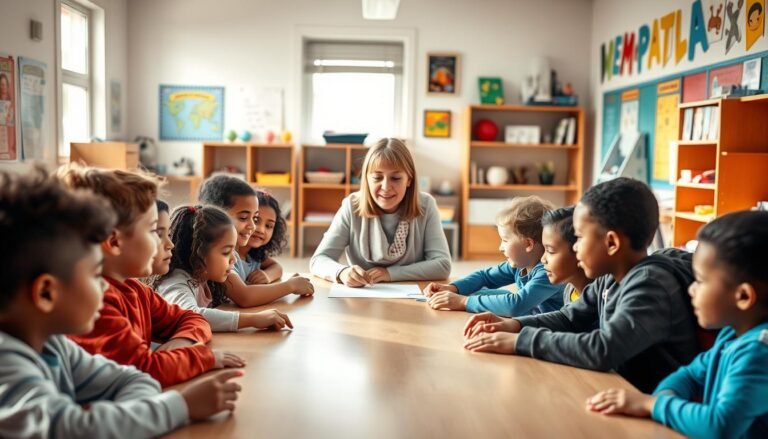
Classrooms can be intimidating, making many learners hesitant. They need to be active and committed. This fear stops students from fully engaging in their education.
Innovative teaching methods help overcome these challenges. By using student engagement strategies, teachers can make learning more flexible. This change helps both teachers and students, preparing them for the future.
Key Takeaways
- Modern curricula must function as dynamic frameworks, not static documents, for effective knowledge distribution.
- Classroom environments create intellectual risks that require specific pedagogical interventions to overcome learner intimidation.
- Higher education’s three core activities—knowledge production, continuation, and distribution—directly impact learner success.
- Traditional rigid structures often create barriers preventing meaningful participation in educational contexts.
- Effective curriculum innovation prepares learners for lifelong development and evolving professional demands.
- Supportive frameworks benefit both educators and learners when properly implemented in Indian institutions.
Understanding Student Engagement in Education
In today’s education, student engagement is key. It connects what we teach with what students learn. Teachers in India use different methods to engage students in the classroom.
Research shows that student engagement definition is more than just being in class. It’s about thinking, feeling, and acting. Teachers can use this knowledge to help students in many ways.
The Multidimensional Nature of Student Participation
Student engagement has three parts. The first is what we see, like showing up and doing homework. But there’s more to it than that.
The second part is how students feel about learning. This includes feeling part of the class and being excited about what they’re learning. In India, students’ feelings about learning can be influenced by their culture.
The third part is the most important. Cognitive engagement in education means using your mind to understand and connect ideas. It’s about turning information into knowledge.
These parts work together. When students feel connected to what they’re learning, they participate more and think deeper. It’s important to look at all parts of engagement, not just one.
A key step to promoting student engagement is recognizing and addressing the fear of failure and judgment by both instructors and peers.
Classrooms can be scary for many students. Intellectual vulnerability is part of being truly engaged. It’s a big challenge for teachers who want to use student-centered learning approaches in traditional schools.
Why Engagement Transforms Educational Outcomes
Engagement is important for more than just grades. It helps students do well in school and beyond. Engaged students learn more and remember it longer.
Students who are engaged in learning tend to stay in school longer. This is very important in India, where exams can be very stressful.
Engagement helps students think critically. Instead of just memorizing, they learn to question and solve problems. This skill is useful in many areas of life.
Cognitive engagement in education also helps students learn how to learn. They can identify what they don’t know and figure out how to learn it. This is a big change from just following what the teacher says.
Engagement and motivation go hand in hand. When students are engaged, they want to learn more. This creates a cycle of learning that teachers can help build.
For teachers in India, understanding how students engage is key. Student-centered learning approaches need to meet students where they are. This means recognizing their different backgrounds and learning styles.
Creating a safe space in the classroom is the first step. When students feel safe, they are more willing to take risks and learn. This takes effort from teachers and the school.
Engagement is complex and needs to be measured in different ways. Just looking at grades isn’t enough. Teachers need to find new ways to see how students are doing.
The Role of Curriculum in Engagement
Curriculum design is like a hidden architect that shapes how students engage with learning. It creates paths that either draw students in or block their way. The way curriculum is structured, what it covers, and how it’s delivered greatly affects students’ educational experience.
When teachers think about curriculum design for higher engagement, they must look at more than just what’s taught. They need to see how it connects with students’ lives, dreams, and the world today.
The link between curriculum and student participation goes beyond just teaching content. It involves the teaching methods, how students are tested, and the learning chances they get. These factors decide if students are active learners or just watchers in their education.
Contrasting Educational Approaches
For years, traditional curriculum models have ruled Indian schools. They focus on set content, strict learning order, and teacher-led teaching. This old way mainly sticks to textbooks and set learning paths.
The traditional curriculum limitations show when a few experts make curriculum plans that don’t change. These plans often get old fast.
When teachers stick to “teaching by the book,” learning gets stuck in one place. This limits students’ creativity and thinking skills. The gap between those making the curriculum and those teaching it in class makes things worse. Those making the curriculum don’t always know what’s happening in the classroom.
New curriculum models offer a different view. They bring in new skills and knowledge to keep up with changing times. The curriculum innovation impact is seen in flexible plans that let teachers adjust content for their area. This keeps learning challenging and relevant.
| Aspect | Traditional Curriculum | Innovative Curriculum |
|---|---|---|
| Content Structure | Rigid, standardized descriptors created by limited academic groups | Flexible frameworks allowing contextual adaptation and teacher input |
| Teaching Approach | Teacher-centered knowledge transmission following prescribed textbooks | Student-centered learning with multiple pathways and authentic experiences |
| Skill Development | Focus on memorization and content reproduction | Emphasis on critical thinking, creativity, and emerging competencies |
| Relevance | Often becomes outdated; disconnected from contemporary realities | Continuously updated to reflect current knowledge and future needs |
Influence on Learning Motivation
Curriculum shapes student motivation in many ways. When curricula match students’ lives, dreams, and today’s world, they want to learn more. But, if learning seems far from real life, motivation drops, no matter how good the teaching is.
How relevant curriculum is makes a big difference. Students find learning meaningful if it tackles real problems they might face. But, traditional curriculum limitations often make content seem out of touch with students’ lives and today’s challenges.
Having choices in what and how to learn boosts motivation. New curricula include chances for students to choose their own paths and methods. This makes students feel more in control of their learning.
How challenging the curriculum is also matters a lot. It needs to push students but not overwhelm them. Old ways often get this wrong, making content too easy or too hard. The curriculum innovation impact is seen when students face the right level of challenge through various ways to learn.
Indian teachers can find ways to make their curriculum better by looking at relevance, authenticity, choice, and challenge. These ideas help turn curriculum into a tool for better engagement. Finding the right balance between what’s needed and what works in the classroom is key. But, new approaches show it’s possible with diverse input and a focus on today’s classroom needs.
Key Principles of Innovative Curriculum
Educational change starts with key principles that link classroom learning to real-life situations. These principles help innovative teaching methods to motivate students differ from old ways of teaching. For teachers in India, knowing these principles is key to creating better curricula that engage students and prepare them for the world.
Two main elements are key in curriculum innovation. The first is linking academic content to real-world use. The second is teaching students to work together. These elements create learning experiences that excite students and prepare them for the future.
Making Learning Matter Through Real-World Connections
Curriculum relevance is a big motivator for students today. When students see how their studies relate to real life, they get more involved. This can be in career preparation, solving social problems, or personal growth.
Innovative curricula use real-life examples and partnerships to show how theories work in practice. Instead of just learning formulas, students see how they solve real-world problems. This makes learning more active and meaningful.
Authentic learning experiences make learning relevant by connecting it to students’ lives. For example, studying environmental science becomes more interesting when students look at local pollution or water conservation. This makes learning more personal and engaging.
Research shows that curricula should focus on lifelong learning skills more than just job training. Modules should be flexible and think about students’ future needs. This is important in India’s fast-changing economy, where jobs and skills are always evolving.
By showing how learning applies to real life, teachers answer a big question students have. This helps students see the value of what they’re learning and boosts their motivation.
Building Competence Through Collaborative Structures
Today’s jobs need teamwork skills that old education often misses. Innovative teaching methods to motivate students must include teamwork. This helps students learn to solve problems and build knowledge together.
Good teamwork in class means clear roles, shared goals, and everyone’s input is needed. This prepares students for the teamwork they’ll face in jobs and research projects.
Group discussions help students share their thinking and learn from others. This boosts metacognition—thinking about one’s own thinking. Students gain a deeper understanding of what they’re learning and how they learn it.
Teamwork in class also helps students develop important skills. They learn to communicate, negotiate, and solve problems in different ways. These skills are vital in India’s diverse society and global economy.
Teaching teamwork well requires careful planning. Teachers need to set clear goals, teach teamwork skills, and assess both individual and group work. When done right, teamwork makes classes lively places where students learn from each other.
These two principles—curriculum relevance and teamwork—guide all curriculum changes. They ensure new teaching methods and technologies keep students engaged. For Indian teachers aiming to improve education, these principles offer a solid foundation and practical advice.
Integrating Technology in the Curriculum
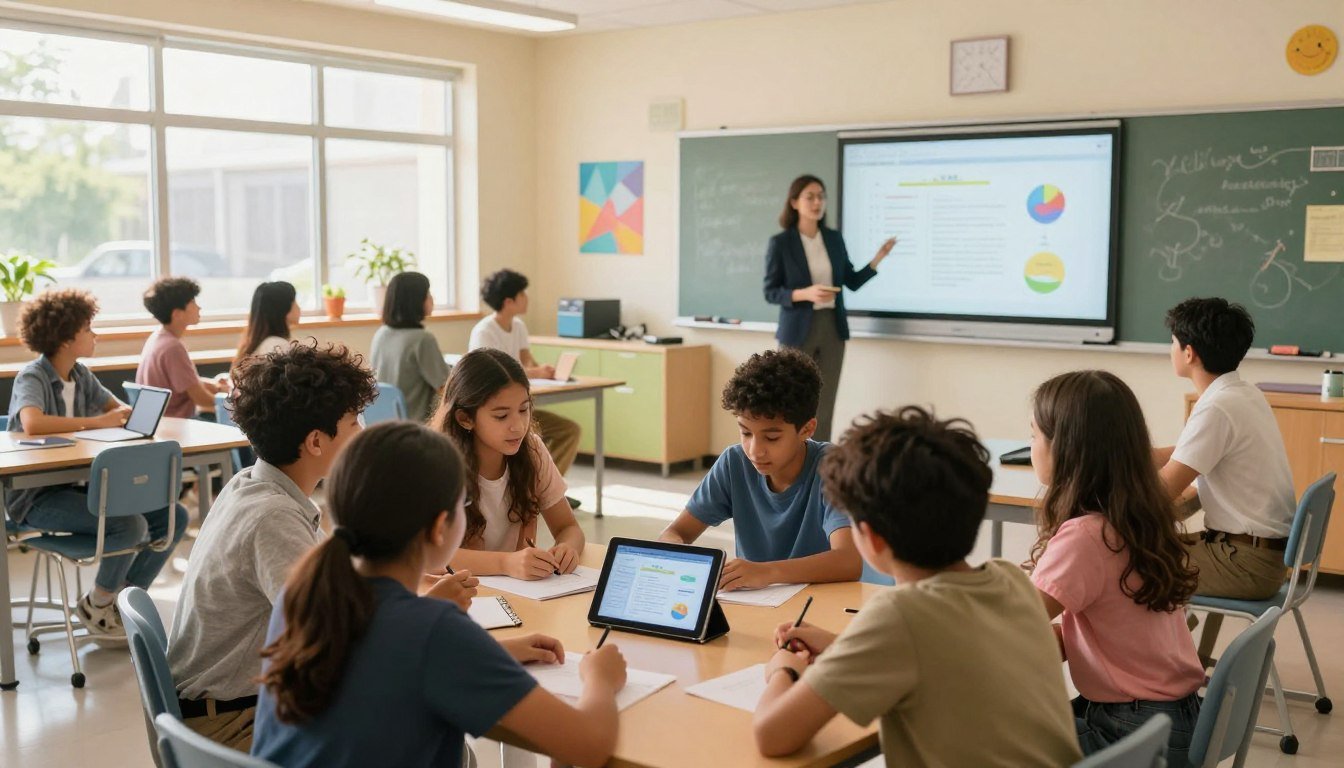
Schools in India need to use technology in their lessons in a meaningful way. They should go beyond just using tech for its own sake. This means teachers need to know how to use digital tools to improve learning, not just add tech for fun.
Choosing the right digital tools is key. Teachers should pick tools that fit with what they want students to learn. This way, technology helps students learn better, not just adds to their workload.
Teachers need to know about current trends in education and the workforce. This helps them prepare students for the future. They should be experts in both teaching and technology, making sure students are ready for the real world.
“Technology will never replace great teachers, but technology in the hands of great teachers is transformational.”
Use of Digital Tools and Resources
Today, teachers have many digital tools to choose from. These tools help with everything from organizing lessons to specific subjects. Knowing about these tools helps teachers pick the best ones for their students.
The TPACK model helps teachers use technology well. It says teachers need to know about their subject, how to teach, and technology. When they know all three, they can use tech to teach in the best way.
- Learning Management Systems: Platforms like Moodle, Google Classroom, and Canvas organize course materials, facilitate assignment submission, and enable communication between students and educators.
- Multimedia Presentation Software: Tools such as Prezi, Canva, and Adobe Spark allow students to create visually engaging presentations that demonstrate understanding through multiple modalities.
- Collaborative Platforms: Applications including Google Workspace, Microsoft Teams, and Padlet enable real-time collaboration, peer feedback, and group project coordination regardless of physical location.
- Disciplinary Applications: Specialized software like GeoGebra for mathematics, LabXchange for sciences, and digital annotation tools for humanities provide subject-specific functionality that enhances content mastery.
- Assessment Technologies: Formative assessment tools such as Kahoot, Quizizz, and Socrative provide immediate feedback while making evaluation engaging and interactive.
In India, teachers face challenges when choosing technology. They need to consider things like internet access and device availability. They also need to think about how much money they have to spend on technology.
Teachers should match technology with specific learning goals. For example, online tools can help with writing projects or physics simulations. This makes sure technology is used in a meaningful way.
Impact of Online Learning Platforms
Online learning platforms have changed how we teach and learn. They offer flexibility and personalization that traditional classrooms can’t match. This is important for students in India who may have other commitments.
One big advantage of online learning is that students can learn at their own pace. This is great for students who need to balance school with other responsibilities. It lets them learn when it’s best for them.
Online learning also lets students learn at their own speed. This means advanced students can move faster, while others can take more time. This helps everyone learn in a way that works for them.
Research shows many benefits:
- Increased Accessibility: Students in remote areas can now access quality education that was hard to get before.
- Accommodation of Learning Preferences: Online learning uses different types of content to reach more students, not just one way.
- Data-Driven Insights: Online platforms give teachers detailed info on how students are doing. This helps teachers adjust their teaching.
- Enhanced Student Agency: Students have more control over their learning, which helps them learn better on their own.
But, there are also challenges with online learning. Not everyone has access to the technology needed. This can make it hard for some students to keep up.
Students also need to learn how to manage their time and stay motivated online. This can be hard, so teachers need to help them. Younger students or those new to online learning may need extra support.
It’s also important to keep the social part of learning alive online. Students need to interact with each other and with teachers. This helps them feel connected and part of a community.
In the end, using technology well in teaching makes teachers more effective. It helps students learn in a way that’s engaging and meaningful. This approach makes sure technology enhances learning, not just adds to it.
Experiential Learning as an Engagement Strategy
Learning by doing connects school lessons to real life in a way books can’t. Experiential learning strategies make students active learners, not just passive readers. This new way of learning helps students understand and apply what they learn in a real way.
When students tackle real-world problems, learning becomes more than just theory. Experiential learning engages students in many ways. They find meaning in real tasks, learn to work on their own, and feel proud of what they create.
Studies show that hands-on learning approaches help students remember and use what they learn. Students learn best when they teach others what they’ve learned. This happens naturally in experiential learning, where they share their findings with classmates.
Active Investigation Through Projects
Project-based learning for student involvement lets students learn by solving real problems over time. Instead of just doing homework, students work on projects that help them learn and grow. They develop important skills like thinking critically and working together.
Project-based learning makes learning fun and meaningful. Students get to choose how to solve problems and what to present. This makes learning more about what they’re interested in, not just to get good grades.
In India, project-based learning for student involvement helps students connect with their community. They might work on projects like saving water, preserving traditional art, or finding ways to farm sustainably. These projects make learning relevant and respect local culture.
Using background-knowledge probes is key when starting projects. These tests help teachers know what students already know. This way, projects are challenging but not too hard, keeping students engaged.
Learning Through Community Service
Service learning combines helping the community with learning. It teaches students to think critically and be responsible citizens. Students learn important skills while helping others.
Service learning is different from just volunteering. It includes activities that help students connect their service to what they’re learning. They learn about the causes of problems and how to solve them.
In India, schools are learning to help their communities. Service learning projects might include tutoring, health campaigns, or helping the environment. These projects help students see how what they learn can help others.
Service learning works because it has a real purpose and makes a difference. Students see how their learning helps people. This connection makes them more motivated and shows them the value of education.
Culturally Relevant Pedagogy
In India, the educational system is very diverse. This diversity is key to creating inclusive learning spaces. Students bring their unique cultural knowledge and perspectives to school. Instead of seeing these differences as obstacles, culturally responsive teaching views them as strengths.
This approach goes beyond just celebrating cultural holidays. It asks teachers to rethink how they teach and what they teach. When done right, it makes students feel seen and valued in their learning.
For teachers in India, this method is very helpful. It helps bridge the gap between what students learn and their real lives. It aligns with student-centered learning approaches that focus on the learner’s voice and identity.
Recognizing and Honoring Diverse Learner Identities
Teachers need to understand the diverse backgrounds of their students. This understanding is called “cultural competence.” In Indian classrooms, this diversity affects how students learn and succeed.
Linguistic diversity is a big part of this. With 22 official languages and many dialects, students often face language barriers. This affects how they understand and process information.
Regional and geographic differences also play a role. Students from rural areas have different backgrounds and expectations than those from cities. Their experiences and access to resources shape their learning.
Socioeconomic differences also impact students. Those from lower-income backgrounds may face challenges like lack of resources. Culturally responsive teaching helps by providing support and scaffolding for all students.
Caste dynamics are another factor. Though laws protect against discrimination, students may face subtle biases. Teachers using culturally relevant pedagogy work to create inclusive classrooms.
Religious diversity adds complexity. It affects dietary practices, dress codes, and more. Teachers must be aware of these differences and ensure respect and understanding.
| Diversity Dimension | Traditional Approach | Culturally Relevant Approach | Impact on Engagement |
|---|---|---|---|
| Linguistic Variation | English-only instruction with deficit view of multilingualism | Translanguaging practices that leverage home languages as cognitive resources | Increased comprehension, participation, and identity affirmation |
| Socioeconomic Background | Uniform resource expectations ignoring economic disparities | Flexible resource access, alternative material options, economic sensitivity | Reduced anxiety, improved equity, sustained participation |
| Regional Knowledge | Urban-centric examples with limited rural representation | Diverse examples drawing from multiple geographic contexts and industries | Enhanced relevance, stronger connections, validated experiences |
| Cultural Communication Styles | Standardized participation norms favoring dominant culture patterns | Multiple participation structures honoring varied communication preferences | Broader participation, cultural validation, authentic expression |
Designing Curricula That Embrace All Learners
Creating inclusive curricula is more than just adding diverse names or images. It requires a deep look at content and teaching methods. Inclusive curriculum design uses frameworks like Universal Design for Learning (UDL) to meet diverse learning needs.
UDL focuses on three key areas. Multiple means of representation acknowledges that students learn differently. Teachers use various ways to present information, including visual, auditory, and kinesthetic approaches.
For example, math lessons might include scenarios from different parts of India. This way, students see their world reflected in the curriculum.
Multiple means of action and expression recognizes that students show understanding in different ways. By giving students choices in how they demonstrate their knowledge, teachers honor their cultural backgrounds.
Information must engage students’ minds to be effective. This is the idea behind multiple means of engagement. Student-centered learning approaches give learners control over their learning experience.
Here are some practical ways to adapt curricula:
- Check for cultural bias and limited representation in materials
- Include diverse perspectives on historical events and scientific discoveries
- Use multilingual resources to help students understand complex concepts
- Offer different ways for students to show their knowledge
- Be flexible with timelines to respect students’ cultural and community events
Technology can also help make curricula more inclusive. It offers tools for different learning needs and languages. Digital resources can provide content in various formats and languages.
Adapting curricula doesn’t mean lowering standards. It’s about making learning accessible to all. This approach is different from lowering expectations for certain students.
Culturally sustaining pedagogy seeks to perpetuate and foster linguistic, literate, and cultural pluralism as part of schooling for positive social transformation.
Professional learning communities are key for teachers to develop inclusive curricula. They share resources and discuss how to adapt materials. This collective effort strengthens culturally responsive teaching in schools.
Assessment practices need to be inclusive too. Traditional tests often disadvantage students from diverse backgrounds. Culturally relevant assessment offers different ways for students to show what they know while keeping standards high.
Gamification in Education
Gamification changes education by using game design to make learning more fun and engaging. It helps keep students interested and motivated in today’s busy world. Teachers use game mechanics to turn regular school tasks into exciting challenges.
Gamification does more than just make learning fun. It uses psychology to motivate students. When done right, it helps students learn while keeping the learning challenging and meaningful.
In India, schools face many challenges. They have different students, limited resources, and must mix old and new teaching methods. Gamification helps by being flexible and working in many settings, from tech-rich cities to rural areas. It’s about knowing how to use games to make learning better.
Understanding the Concept and Distinguishing Approaches
Gamification uses game elements in non-game settings, like schools, to motivate students. It’s different from game-based learning, which uses full games for education. Gamification adds game elements to regular lessons, not replacing them.
This difference is key for using gamification in schools. For example, gamification might add points to history lessons, not replace them with a game. This way, teachers can make lessons more engaging without changing their whole curriculum.
- Points and scoring systems give quick feedback on how students are doing.
- Badges and achievements celebrate students’ successes and show their progress.
- Leaderboards encourage friendly competition and show how everyone is doing.
- Levels and progression systems break learning into steps with clear goals.
- Challenges and quests make assignments feel like missions with rewards.
- Narratives and storylines add meaning and context to learning activities.
- Avatars and personalization let students show their identity in the learning system.
- Progress indicators make it clear how far students have come and what’s next.
These elements work because they tap into why games are engaging. They offer clear goals, quick feedback, and the right level of challenge. This makes learning more enjoyable and effective.
Autonomy and social interaction are also key. Students get to choose how they learn and work together. This makes learning more enjoyable and helps students feel connected.
| Gamification Element | Educational Purpose | Psychological Principle | Implementation Example |
|---|---|---|---|
| Points System | Track participation and effort | Immediate feedback and progress visibility | Earning points for class contributions and assignment completion |
| Achievement Badges | Recognize specific skills mastery | Sense of accomplishment and identity | Badges for mastering mathematical concepts or research skills |
| Challenge Levels | Structure learning progression | Optimal challenge and clear goals | Bronze, silver, gold difficulty options for assignments |
| Leaderboards | Foster motivation through comparison | Social connection and healthy competition | Class rankings for project completion or skill development |
Advantages for Student Motivation and Learning Outcomes
Research shows gamification boosts student engagement. It makes learning more interesting and fun. Students start to enjoy learning more, even in subjects they used to find hard.
It also makes students more active in class. They participate more, even if they’re not usually involved. This leads to better learning outcomes.
Most importantly, gamification makes learning feel enjoyable. Students start to see schoolwork as fun, like playing games. This positive attitude can last long after the class is over.
Turning simple class activities into game-like tasks can make a big difference. It prepares students for bigger challenges without feeling overwhelmed. This approach helps students think critically and learn more effectively.
This shows how gamification can change the way we learn. It turns simple tasks into exciting challenges. Students learn and grow, ready for bigger tasks ahead.
In India, gamification is very helpful. It works in many settings, from tech-rich cities to rural areas. It’s flexible and can be adapted to fit different needs and cultures.
It’s also important to note that gamification is different from game-based learning. Gamification adds game elements to regular lessons, not replacing them. This makes it easier for teachers to use without needing to change their whole curriculum.
Starting small is a good way to begin. Teachers can start with simple points for class participation and then add more elements. This makes it easier to try out and see what works best.
Good gamification keeps learning goals in mind. It uses game elements to make learning fun, not to replace it. This way, students learn more and have fun doing it.
It also makes classroom management easier. Clear systems for earning points or advancing levels help avoid confusion. Students can see how they’re doing and know what to work on next. This helps everyone stay on track and learn better.
Differentiated Instruction Techniques
Seeing student diversity as a strength is key to effective teaching. This approach recognizes that students come to class with different backgrounds and learning styles. It means creating learning paths that fit each student’s needs.
In India, where classrooms can have 40 students, personalized learning is vital. It’s not about making a lesson plan for each student. Instead, it’s about designing flexible learning experiences that meet different needs.
Teachers who use adaptive teaching methods know that the right challenge keeps students engaged. Too hard, and students get frustrated. Too easy, and they get bored. Differentiation keeps everyone in their learning zone.
Customizing Learning Experiences for Individual Success
Good differentiated instruction starts with knowing where students are academically. Teachers need to understand what students know and how they learn best. This knowledge helps tailor instruction to each learner.
McGrath et al. (2016) talk about a bottom-up approach to differentiation. It starts with small details and builds up to mastering a concept. Teachers observe and analyze to understand different students’ abilities.
This process lets teachers adjust lessons as needed. No students fall behind because lessons are tailored to the class’s needs. This approach is great for diverse Indian classrooms.
Personalized learning goes beyond just content. It includes how students process information and show what they’ve learned. Teachers can differentiate in many ways to create responsive learning environments.
Content differentiation varies the complexity and resources students use. Process differentiation focuses on how students make sense of content. Some students prefer graphic organizers, while others like hands-on activities.
Product differentiation lets students show what they’ve learned in their own way. One student might write an essay, while another makes a visual presentation. This way, everyone can express their learning in a way that feels natural to them.
Environmental differentiation considers the physical and social conditions of learning. Some students work better in quiet spaces, while others prefer background activity. Flexible classrooms can accommodate these differences.
Strategic Student Grouping for Maximum Engagement
Instead of working alone, students can work in groups. Think-pair-share activities are a good example. Students think individually, then discuss with a partner, and share with the class. This keeps everyone engaged and supported.
Small groups help students tackle tough concepts together. This approach boosts engagement by providing social support and opportunities for peer learning. Explaining concepts to peers helps both the explainer and the listener.
Flexible grouping changes group composition based on learning needs. Teachers might group students by readiness level for some activities and mix ability levels for others. This approach ensures everyone gets the right challenge and support.
Readiness-based groups provide the right material and support for students at similar levels. Advanced learners get enrichment, while those needing more support get extra help. This prevents some students from getting left behind.
Interest-based grouping connects learning to topics students care about. For example, one group might study urban pollution, while another looks at agricultural sustainability. This approach sparks curiosity and engagement.
Learning profile groups consider how students process information. Visual learners might work on graphic representations, while kinesthetic learners use physical models. Honoring these preferences makes learning easier and more enjoyable.
In large Indian classrooms, adaptive teaching methods are essential. Learning centers or stations are a practical solution. Students rotate through stations designed for different readiness levels and interests. This way, everyone gets the right challenge and support.
Peer teaching in mixed-ability groups benefits everyone. Struggling students get help from peers who understand the material. Advanced students improve their understanding and develop leadership skills. This approach values diversity and makes learning more engaging.
| Differentiation Strategy | Implementation Approach | Engagement Benefits | Indian Classroom Application |
|---|---|---|---|
| Tiered Activities | Create multiple versions of tasks at varying complexity levels addressing the same learning objective | Ensures appropriate challenge for all readiness levels, maintaining optimal engagement zone | Develop three-tier math problems or reading passages that accommodate diverse ability levels in large classes |
| Learning Centers | Establish station-based activities where students rotate through differentiated tasks | Provides movement, choice, and variety that sustain attention and motivation | Design subject-specific stations (reading, writing, math practice) with self-paced materials for independent work |
| Flexible Grouping | Form student groups that change based on current learning needs and objectives | Offers social support, peer learning, and collaborative problem-solving opportunities | Use quick formative assessments to create targeted small groups for focused instruction within large class periods |
| Choice Boards | Provide menu of activity options addressing same standards through different approaches | Increases ownership and autonomy by allowing students to select preferred learning paths | Create visual choice menus with varied activities requiring different resources to accommodate limited technology access |
Differentiated instruction transforms classrooms into places where all students can learn and grow. It’s about adapting teaching to meet individual needs, not the other way around. When teachers do this, students become more engaged because learning feels relevant and challenging.
Role of Teachers in Curriculum Innovation
Curriculum innovation is more than just new documents. It needs teachers who can bring change to their classrooms. Teachers make the curriculum real by using it every day. They turn abstract ideas into hands-on learning experiences for students.
Teachers are key to making curriculum changes work. They need to know their subjects well and be good at teaching. They also need to be open to new ways of teaching to motivate students.
In India, teachers face unique challenges. They have to teach students with different needs and resources. Teachers must balance the curriculum with what works in their classrooms.
Professional Development for Educators
Teachers need ongoing training to innovate. They can’t teach what they don’t know. Professional development helps them learn new teaching methods.
Teachers should be lifelong learners. They need to know their subjects, technology, and how to teach. This knowledge helps them stay up-to-date and motivated.
In India, teachers often face big classes and limited resources. Training should focus on real classroom challenges. Teachers should try new methods, see how students react, and keep improving.
Good professional development is ongoing. It creates communities where teachers can share ideas and solve problems together. This helps them feel supported in trying new things.
- Content-focused: Training should focus on specific curriculum content and teaching methods.
- Active learning: Teachers should practice teaching, not just listen.
- Coherence: Training should align with school goals and priorities.
- Duration: Training should last long enough for teachers to master new methods.
- Collective participation: Teachers should work together, sharing ideas and responsibilities.
Indian schools should invest in professional development that follows these principles. This includes giving teachers time to learn, providing expert help, and valuing their growth.
Encouraging Teacher Innovation
Professional development is important, but so is the school culture. Some teachers are open to new ideas, while others are hesitant. Understanding this helps leaders create a supportive environment for innovation.
Teachers are change agents who can make a difference. They need to believe that innovation will help students and fit within their school’s constraints.
Several factors can influence a teacher’s willingness to innovate. Things like rigid schedules and too much testing can make it hard. Some teachers might be afraid to try new things because they’re worried about failing.
To encourage innovation, schools need to support teachers. Leaders should create a culture that values trying new things and learning from mistakes. When teachers feel safe to take risks, they are more likely to innovate.
The table below shows the difference between traditional and innovation-supportive cultures:
| Cultural Dimension | Traditional Environment | Innovation-Supportive Environment | Impact on Teacher Practice |
|---|---|---|---|
| Experimentation | Deviations from prescribed methods discouraged; uniformity valued | Calculated risks encouraged; pilot testing normalized | Teachers feel safe trying innovative teaching methods to motivate students |
| Professional Learning | Individual teacher responsibility; isolated practice | Collaborative inquiry; shared problem-solving | Educators develop professional growth through peer exchange |
| Implementation Timeline | Immediate results expected; quick judgment of success | Iterative refinement accepted; gradual improvement expected | Teachers persist through initial challenges when adopting new approaches |
| Resource Allocation | Innovation considered extra burden; minimal support provided | Protected time, materials, and expertise made available | Practical barriers reduced, making innovation feasible |
| Recognition Systems | Test scores dominate evaluation; innovation invisible | Pedagogical growth valued alongside outcome measures | Teachers motivated to develop as change agents beyond compliance |
Schools should make teachers true change agents. They should give teachers time to innovate and let them see new methods in action. This builds confidence and encourages them to try new things.
Recognition is key to keeping teachers motivated. Schools should celebrate teachers who try new approaches. This shows that innovation is valued.
Leaders should address concerns about innovation. They should explain that new methods can help with exams and improve learning. Showing success stories can reassure teachers.
It’s important to remember that teachers are different. Some are ready for big changes, while others need smaller steps. Schools should offer various levels of innovation to meet everyone’s needs.
The goal is to make innovation normal in schools. Teachers should always be learning and growing. They should be the ones leading educational change, not just following it.
Assessing Student Engagement
Understanding how students interact with curriculum demands evidence-based assessment methods. These methods reveal authentic engagement levels. Systematic evaluation of engagement provides educators with critical insights into the effectiveness of innovative teaching approaches.
Assessment extends beyond simple participation counts to capture the multidimensional nature of student involvement. Schools across India are increasingly recognizing that measuring student involvement requires sophisticated tools. These tools account for behavioral, emotional, and cognitive dimensions. Without such assessment frameworks, educators risk implementing curriculum innovations based on assumptions.
The ultimate purpose of engagement assessment lies not in documentation but in actionable improvement. When teachers systematically gather and analyze engagement data, they create opportunities for targeted interventions. This evidence-based approach transforms teaching from intuitive practice into refined science.
Tools and Methods for Measuring Engagement
Engagement assessment tools must capture three interconnected dimensions that collectively define student involvement in learning experiences. Each dimension requires distinct measurement approaches tailored to its unique characteristics. Educators benefit from employing multiple methods simultaneously to build a complete understanding.
Behavioral engagement represents the most observable dimension and includes attendance patterns, participation in discussions, assignment completion rates, and time spent on academic tasks. These indicators can be documented through observation checklists, participation tracking systems, and learning analytics from digital platforms. Indian schools can implement simple tally systems or leverage technology solutions depending on available resources.
Emotional engagement examines students’ attitudes, interests, and sense of belonging within the learning environment. Surveys, questionnaires, and classroom climate assessments capture students’ affective responses to educational experiences. These tools reveal whether students feel valued, connected, and motivated to persist through challenges.

Cognitive engagement proves most challenging to assess because it involves examining the depth of students’ mental processing and strategic thinking. Analysis of student work, think-aloud protocols, and metacognitive reflection activities provide windows into this internal dimension. Teachers can evaluate whether students employ deep learning strategies or merely surface-level processing.
Active learning strategies for student participation can be evaluated through these multidimensional assessment approaches. For instance, a student who attends regularly (behavioral) but feels disconnected (emotional) and employs minimal critical thinking (cognitive) demonstrates incomplete engagement. Such nuances are revealed through systematic assessment.
| Engagement Dimension | Assessment Methods | Data Collection Tools | Key Indicators |
|---|---|---|---|
| Behavioral Engagement | Observation, attendance tracking, assignment monitoring | Participation checklists, learning management systems, time-on-task logs | Attendance rates, participation frequency, completion percentages, punctuality |
| Emotional Engagement | Surveys, interviews, climate assessments | Likert-scale questionnaires, focus groups, sentiment analysis tools | Sense of belonging, interest levels, emotional connection, motivation persistence |
| Cognitive Engagement | Work analysis, think-aloud protocols, reflection activities | Rubrics for depth of thinking, metacognitive journals, concept mapping | Strategic thinking, self-regulation, depth of processing, critical analysis quality |
Indian educators should prioritize practical and sustainable assessment approaches. These approaches should align with available resources and cultural contexts. Simple observation protocols combined with periodic student surveys can provide valuable insights without overwhelming teachers. Technology platforms offer scalable solutions but should complement human judgment.
The integration of quantitative metrics with qualitative insights creates the most complete picture of engagement patterns. Numbers reveal trends and patterns, while narrative descriptions provide context and explanation. Both forms of data contribute essential information for understanding how students experience innovative curricula.
Assessment should not merely measure learning; it should advance learning by making students’ thinking visible to themselves and their teachers.
Feedback Mechanisms for Improvement
Assessment achieves its full purpose when results inform continuous enhancement of teaching and learning practices. Feedback mechanisms transform raw data into actionable insights that drive pedagogical refinement. Schools must establish systematic processes for translating assessment findings into curricular improvements.
Metacognition proves useful for student learning and mastery while building and sustaining motivation to learn. When students develop awareness of their own thinking processes, they become active participants in their educational journey. Teachers should provide meaningful feedback on key assignments that helps students understand not just what they achieved but how they learned.
Creating activities that enable self-assessment empowers students to monitor their own progress through varied techniques. Exit tickets serve as useful instructional activities for reflection, enabling both students and teachers to identify understanding gaps. These brief reflections completed at lesson conclusions create opportunities for immediate course correction.
Exit tickets can take multiple forms depending on learning objectives and student age levels. Students might summarize key concepts, identify confusing elements, pose questions for further exploration, or connect new learning to prior knowledge. The simplicity of exit tickets makes them practical for Indian classrooms with large student populations.
Effective feedback mechanisms extend beyond teacher-to-student communication to include peer feedback and student self-evaluation. Consider implementing these approaches:
- Regular formative assessment cycles that provide frequent low-stakes feedback
- Student focus groups that gather qualitative insights about curriculum effectiveness and engagement barriers
- Suggestion systems that invite student input on improving learning experiences
- Collaborative data analysis sessions where teachers and students jointly examine engagement patterns and brainstorm solutions
- Action research projects that position educators as investigators of their own practice
This collaborative approach positions learners as partners in improving educational experiences. When students contribute to shaping their learning environment, engagement naturally increases. Their insights often reveal obstacles that teachers might overlook from their professional perspective.
The cycle of assessment, feedback, and improvement must operate continuously. Weekly check-ins, monthly reviews, and quarterly deep analyses create rhythms that maintain focus on engagement without creating excessive workload. Schools should establish sustainable systems that integrate seamlessly into existing routines.
Technology can streamline feedback processes through automated data collection and visualization tools. Learning management systems track behavioral engagement metrics automatically, freeing teachers to focus on emotional and cognitive dimensions. Technology serves as facilitator, not replacement, for thoughtful human interpretation.
Indian schools implementing engagement assessment tools should begin with pilot programs in select classrooms before scaling across entire institutions. This approach allows refinement based on practical experience and builds teacher capacity gradually. Success stories from early adopters inspire broader participation and demonstrate feasibility.
The connection between assessment and improvement becomes most powerful when schools create cultures of experimentation and learning. Teachers need permission to try new approaches, gather feedback, adjust strategies, and share results with colleagues. Professional learning communities focused on measuring student involvement foster collaborative problem-solving and continuous growth.
Building a Supportive Learning Environment
Creating classrooms where students feel valued and safe is key for learning. Innovative teaching methods are important, but a supportive environment is the base. It lets students fully engage in their studies.
Research shows that the classroom environment affects how students behave and feel. If students feel judged, they might not participate. They might feel too scared to try.
But, when students feel accepted, they are more likely to ask questions and explore. In India, where tests are very important, making a supportive classroom is a big challenge. It needs a lot of effort and dedication.
Creating Psychological Safety and Promoting Wellbeing
Classroom atmosphere and student wellbeing are closely linked. To get students to engage, we need to address their fears. Fears of failure and judgment can stop them from participating.
Psychological safety means students can ask questions and make mistakes without fear. It’s about encouraging them to explore and learn deeply.
Teachers play a big role in creating a safe classroom. They should show their own vulnerabilities and respond well to mistakes. This helps students see mistakes as chances to learn, not failures.
“Students need to know that it’s okay to fail, that failure is part of learning. When we create spaces where mistakes are expected and examined, we unlock tremendous growth.”
Creating a safe space means everyone gets a chance to contribute. Using respectful language and showing care for students’ success is important. It shows that each learner is valued.
In India, where there’s a lot of competition, creating safe spaces is even more important. Teachers need to balance respect with openness to student ideas.
The following table shows the difference between supportive and non-supportive environments:
| Supportive Environment | Non-Supportive Environment | Student Impact |
|---|---|---|
| Mistakes viewed as learning opportunities | Errors met with criticism or punishment | Increased willingness to attempt challenging tasks |
| Questions encouraged and validated | Questions dismissed or ridiculed | Enhanced curiosity and inquiry behaviors |
| Multiple perspectives welcomed | Single correct answer expected | Development of critical thinking skills |
| Individual learning pace respected | Rigid timeline for all students | Reduced anxiety and improved comprehension |
Classroom atmosphere is not just about how students feel. It also includes the physical space. Things like seating and displays of student work can make a big difference.
When students trust their environment, they can try new things. Activities like group discussions and problem-solving work best in supportive spaces.
Implementing Effective Positive Reinforcement
Positive reinforcement helps build a supportive classroom. It focuses on what students do well. This encourages them to keep growing and learning.
Good positive reinforcement is specific and genuine. Instead of just saying “good job,” teachers can say “your analysis was really effective” or “you didn’t give up on that problem.”
It’s important to recognize all contributions, not just the ones that get the highest grades. Celebrating progress and character traits like curiosity and teamwork keeps students motivated.
When using activities like peer review, it’s important to set clear rules. Students need to feel safe and respected when giving and receiving feedback. This builds a supportive classroom and helps students learn from each other.
Here are some key things to include in peer review protocols:
- Clear guidelines for giving feedback
- Teachers showing how to give feedback
- Structured formats for feedback
- Focus on describing, not judging
- Time for reflection
In India, positive reinforcement should be culturally sensitive. It’s important to balance individual praise with celebrating group achievements. This way, everyone feels valued.
Recognition should go beyond grades. It should celebrate effort, teamwork, and other qualities that show students are engaged and learning. This shows that education values the whole person, not just grades.
Combining positive reinforcement with clear expectations is called “warm demander” teaching. It’s very effective for students who have struggled or come from challenging backgrounds.
Creating a supportive classroom is the foundation for all engagement strategies. Without it, even the best teaching methods won’t work. Students need to feel safe and supported to learn fully.
Community Involvement in Education
Community involvement makes education better for everyone. It turns learning into a team effort that helps both students and society. When students learn in real-world settings, they understand and apply what they’ve learned better.
Working together with local groups is key. This includes businesses, government, cultural spots, non-profits, and families. They bring in resources and ideas that make learning more relevant and show how education helps the community.
Studies show that working together leads to better education. Teachers and outside partners create a team that keeps learning fresh and meets new needs.
Partnering with Community Organizations
Local groups help make learning happen outside of school. Businesses, cultural spots, and more offer unique chances for students. They get to try out what they’ve learned in real situations.
These partnerships help students in many ways. They get to see how what they learn is used in the real world. This makes learning more interesting and meaningful.
In India, these partnerships are very important. The country is growing fast, and new industries need skilled workers. Students get to learn by doing real work, preparing them for their future careers.
Working together needs clear plans. Schools and groups must agree on what they want to achieve. This makes sure everyone knows their role and how to help students learn.
Here are some ways to make partnerships work:
- Make formal agreements that outline everyone’s role and goals
- Have people or teams that help keep the partnerships going
- Find ways to measure how well students are learning from these experiences
- Train community partners on what schools are trying to do and how to help
- Share success stories to get more people involved
Strengthening Family Engagement and Support
Parents play a big role in how well students do in school. In India, families are very important in education. When families support new ways of learning, students do better.
Being involved in school is more than just meetings. It’s about keeping in touch, helping with homework, and being part of school events. Each part helps students succeed.
Good communication is key. Schools need to talk to families in many ways. They should explain what students are learning and why it’s important. This helps families support learning at home.
Events for families are important. They teach parents about new learning methods. When parents understand, they become more supportive.
Schools need to help families learn how to support their kids. Simple things like asking questions and setting routines can make a big difference. Schools should share these ideas in ways that everyone can understand.
Everyone should feel welcome in schools. Families are different, and schools need to respect that. By making things easier for families, schools show they care about working together.
| Partnership Type | Key Benefits | Implementation Approaches | Indian Context Considerations |
|---|---|---|---|
| Business Collaborations | Career exposure, mentorship, internships, real-world project contexts | Formal MOUs, structured internship programs, guest speaker series, project sponsorship | Focus on IT sector, manufacturing, startups aligning with Make in India initiative |
| Cultural Institutions | Heritage awareness, artistic development, community identity, cultural competence | Field trips, artist residencies, exhibition projects, cultural documentation assignments | Leverage India’s rich cultural heritage, museums, performing arts centers, archaeological sites |
| Non-Profit Organizations | Service learning, social awareness, civic responsibility, community problem-solving | Service projects, advocacy campaigns, community needs assessment, volunteer programs | Partner with NGOs addressing education, health, environment, women’s empowerment |
| Family Partnerships | Home learning support, consistent messaging, student motivation, resource sharing | Regular communication, family workshops, inclusive events, capacity-building programs | Respect joint family structures, linguistic diversity, varying parental education levels |
Working together with schools, groups, and families helps students learn better. When everyone works together, learning becomes a journey that makes sense. This is very important in India, where family and community are key in education.
To keep partnerships strong, everyone needs to keep talking and respect each other. Schools should show they value these partnerships by giving them the resources they need. Regular checks on how well partnerships are working help make sure they keep helping students learn.
Case Studies of Innovative Curricula
Looking at how schools in India have changed their curricula gives us valuable insights. These stories show how new ideas in teaching lead to real results in different classrooms. By studying these examples, teachers can learn what works best in Indian schools.
These case studies show that success comes from certain patterns. Schools that try new things share common traits in how they plan and carry out their changes. Knowing these patterns helps teachers create engaging curricula that fit their students’ needs.
Successful Examples from Indian Schools
Riverside School in Ahmedabad is a great example of how project-based learning works. They changed their curriculum to focus on real-world projects. Students work on projects that mix science, math, and social studies to solve community problems.
This change made a big difference. More students showed up to school, and their grades went up. Teachers said students understood things better when they learned by doing, not just by reading.
Delhi Public School in Bangalore took a different approach. They moved away from traditional grades and focused on what students can do. They made clear plans for what students need to learn and let them learn at their own pace.
Teachers at DPS Bangalore had to rethink how they teach. They said that every lesson is a chance to engage with the curriculum. They planned their lessons carefully to avoid repeating things too much.
The Maulana Azad Model School in Kerala mixed traditional knowledge with modern learning. Students learn about old farming ways and new science together. This made students from rural areas feel more connected to school.
Shri Ram School in Delhi used technology to make learning better. They gave teachers training on using digital tools. Students got to use online resources and work with people all over the world.
The Bangalore International School worked with local groups on projects. Students in grades 9-12 did projects that helped the community. They worked on things like making water clean and teaching adults to read.
| School Name | Innovation Type | Primary Engagement Strategy | Measurable Outcome |
|---|---|---|---|
| Riverside School, Ahmedabad | Project-Based Learning | Interdisciplinary community projects | 23% attendance increase, improved critical thinking |
| Delhi Public School, Bangalore | Competency-Based Progression | Personalized learning pathways | 18% reduction in learning gaps, higher mastery rates |
| Maulana Azad Model School, Kerala | Indigenous Knowledge Integration | Culturally relevant pedagogy | 31% engagement increase among rural students |
| Shri Ram School, Delhi | Blended Learning Environment | Technology-enhanced instruction | 27% improvement in self-directed learning skills |
| Bangalore International School | Community-Based Learning | Service learning partnerships | 92% student satisfaction, enhanced civic engagement |
These examples show different ways to make learning better. Each school found its own way to improve, based on what they could do. Teachers used their own knowledge and experience to make learning meaningful.
Lessons Learned from Implementing Innovation
Looking at these examples, we see some key things that help. Strong leaders who support new ideas are very important. They provide the resources and support needed to make changes.
Teachers need training to do new things well. Schools that gave teachers time to learn did better than those that just showed them how. This training helped teachers understand the new ideas better.
Starting small and testing new ideas before doing them everywhere is smart. Riverside School did this and it helped them get better at teaching in new ways. This way, teachers and students felt more confident.
Key success factors identified across case studies include:
- Leadership commitment with allocated resources and protected implementation time
- Comprehensive professional development addressing both skills and pedagogical understanding
- Stakeholder communication that builds shared vision and addresses concerns proactively
- Flexible adaptation of models, not rigid replication
- Ongoing evaluation systems for continuous improvement
But, there were also challenges. Schools had trouble making tests that really showed what students learned. They also had to deal with parents who worried about exams.
Parents were worried that new ways of teaching would hurt their kids’ grades. But schools that did it well showed them that it actually helped. By sharing how students did, schools could show parents that new teaching methods were good.
Strategies for overcoming implementation challenges:
- Make tests that show what students really know
- Teach parents about how new teaching helps
- Let teachers learn from each other
- Give teachers time to think and improve
- Celebrate small wins to keep everyone motivated
Teachers play a big role in making new ideas work. They don’t just follow a plan, they make it their own. This is important for making learning interesting and avoiding boring repetition.
These lessons help teachers in India who want to try new things. By knowing what works and what doesn’t, schools can make changes that really help students learn.
Future Trends in Curriculum Development
Looking ahead, education is set for a big change. New technologies, changing job needs, and what students want will shape learning. Teachers and school leaders need to get ready for these changes.
Teachers should keep up with the latest in education, like new tech and changes in jobs. The skills needed in the workplace are always changing. So, schools need to prepare students for the future, not just the past.
Innovation is key in education today. Schools are moving away from just teaching facts. They want to make learning exciting and relevant to today’s world.
In India, these changes bring both chances and challenges. Schools can use technology to improve learning, but they also need to make sure everyone has access. It’s important to make sure education is fair for all.
Emerging Educational Technologies
New technologies are changing how we teach and learn. They help make learning more personal and fun. But, it’s important to use these tools in a way that helps students learn best.
Artificial intelligence and adaptive learning systems are big changes for education. They help teachers by adjusting lessons to fit each student’s needs. This makes learning more effective and fun.
Extended reality, like virtual reality, brings learning to life. Students can explore places they’ve never seen before. This makes learning more engaging and memorable.
Learning analytics and big data help teachers make better choices. They can see how students are doing and what works best for them. This makes teaching more effective and helps students learn better.
Blockchain credentials are a new way to show what students have learned. They can prove skills and knowledge in a way that’s easy to share. This helps students show their abilities, no matter where they learned them.
Internet of Things technology connects learning to the real world. It makes learning more hands-on and interesting. This technology helps students learn by doing, not just by listening.
| Technology | Primary Application | Key Benefit | Implementation Challenge |
|---|---|---|---|
| Artificial Intelligence | Adaptive learning systems and personalized tutoring | Individualized instruction at scale | Data privacy and algorithmic bias concerns |
| Extended Reality (VR/AR/MR) | Immersive simulations and virtual field experiences | Access to impossible learning contexts | High equipment costs and technical expertise requirements |
| Learning Analytics | Evidence-based instructional improvement | Data-driven curriculum refinement | Interpreting complex data and avoiding reductionism |
| Blockchain Credentials | Portable, verifiable achievement records | Recognition of diverse learning pathways | Establishing standardization and institutional acceptance |
| Internet of Things | Connected learning environments | Seamless integration of physical and digital learning | Infrastructure investment and cybersecurity risks |
In India, new technologies offer a chance to solve old problems. They can help with teacher shortages and limited resources. But, schools need to make sure everyone can use these tools.
Predictions for Student Engagement
Student engagement will change a lot in the future. New trends and technologies will shape how we teach. Schools need to adapt to keep students interested and engaged.
Students will want learning that fits their needs. They’ll want lessons that match their goals and how they learn best. Schools will need to offer more flexible learning paths.
Learning will focus more on what students can do, not just how long they’ve been learning. This means students will move forward when they’re ready, not just because of time. This approach helps students learn at their own pace.
Hybrid learning models will become more common. They mix online and in-person learning. This approach helps students learn in different ways, making learning more effective.
Social-emotional learning will become more important. Schools will teach skills like self-regulation and empathy. This helps students become well-rounded individuals, ready for life’s challenges.
Students will have more say in their learning. They’ll help choose what they learn and how. This makes learning more meaningful and helps students develop important skills.
Technology will play a bigger role in teaching, but used wisely. Teachers will use technology to help students learn, not just for its own sake. This makes learning more effective and fun.
In India, schools will need to be more flexible and adaptable. They’ll move away from old ways of teaching. This change will help students learn in a way that fits their needs.
Challenges in Implementing Innovative Curriculum
Innovative curriculum is promising for student engagement. But, turning vision into practice is hard. Schools in India face many challenges that limit change, even when they know they need to change.
Understanding these challenges helps us find ways to make change happen. We can move from ideas to action.
Changing curriculum involves complex systems. Many people, priorities, and old ways of doing things resist change. But, knowing these obstacles doesn’t mean we give up. We can find ways to work with these challenges and slowly change things.
Institutional and Systemic Barriers
Old structures in schools are a big problem. They limit teachers’ ability to try new things. Rules and processes make it hard to change quickly.
Schools often resist new ideas. They need to change to meet today’s students’ needs. Rules that focus on standardization can make it hard for teachers to be creative.
Teachers feel pressure to stick to old ways. This creates a struggle between wanting to innovate and following rules. Teachers often can’t make big changes because of how things are set up.
Money is also a big problem. Schools often don’t have enough to buy new tech or support for teachers. Overcoming educational barriers needs money, but schools often don’t have it.
Big classes make it hard to teach in new ways. With so many students, it’s hard to give each one the attention they need. New teaching methods need smaller classes.
Tests that focus on grades make things harder. Teachers are pushed to teach to the test instead of encouraging creativity. This makes it hard to introduce new ways of learning.
| Barrier Category | Specific Challenge | Impact on Innovation |
|---|---|---|
| Structural | Fixed module descriptors and rigid quality assurance | Limits pedagogical flexibility and content adaptation |
| Resource-Based | Insufficient funding for technology and materials | Prevents implementation of digital and experiential learning |
| Capacity-Related | Large class sizes and lecturer preparation gaps | Makes differentiated instruction and innovation unsustainable |
| Cultural | Student resistance to unfamiliar approaches | Creates implementation difficulties despite sound design |
Teachers often don’t know how to teach in new ways. They need training, but it’s hard to find the time and money. This makes it hard for them to try new things.
Practical Approaches for Implementation Success
There are ways to move forward even when things are tough. We can make small changes that add up over time.
Start with small changes, like adding new activities to a class. This way, you can try new things without changing everything at once. It’s a safer way to start.
Working together helps. Teachers can share ideas and support each other. This makes it easier to try new things.
Look for ways to be flexible within what you already do. You might be able to do things in new ways without changing everything. This can help you make progress without waiting for big changes.
Showing how new ideas work can help get more support. If you can show that new ways of teaching work, you can get more help to keep going.
Getting administrators on board is key. Show them how new ideas can help the school. This can make them want to help instead of block change.
- Start with low-stakes experiments that require minimal resources or approvals
- Build peer professional development networks that share knowledge cost-effectively
- Reframe constraints as creative challenges that inspire innovative solutions
- Celebrate small successes to maintain motivation and demonstrate possibility
- Connect innovations to institutional priorities to secure administrative support
Teachers can help each other grow. Experienced teachers can teach others new ways to teach. This is a cheap and effective way to build skills.
Start with small changes that make learning more fun. Simple ideas like asking students to write a quick note or having them teach each other can make a big difference. These small wins can help you build up to bigger changes.
Even the things that make it hard to change can help us grow. When we see how things need to change, we are more likely to take action. The challenges we face can actually help us get better.
Conclusion: The Future of Student Engagement
Changing education starts with putting students first. Making learning exciting is a journey that needs everyone’s effort. It takes vision, courage, and hard work from all involved in education.
Vision for Curriculum Development in India
India’s education future is about learning that respects culture and prepares for the world. It’s about curricula that mix old knowledge with new skills, across languages and regions.
Schools need to measure learning in real ways, not just by tests. This makes learning central to education’s success and the country’s growth.
Essential Steps for Educational Leaders
Good teachers listen to students and change their teaching to help students learn better. They need to be brave, open, and patient for success.
Improving education starts with small steps in classrooms. Schools need to support trying new things. Governments should make rules that help, not hinder, innovation.
Together, we can make education better for students. We need to talk about what works and keep getting better at all levels of education.
FAQ
What exactly is student engagement and why does it matter more than simple classroom participation?
How do traditional curriculum models differ from innovative curriculum approaches in terms of promoting student engagement?
What are active learning strategies for student participation that educators can implement immediately?
How can technology integration in curriculum development enhance student engagement without serving as a superficial addition?
What is project-based learning and why is it particular effective for engaging students?
How can educators implement differentiated instruction techniques in large Indian classrooms with diverse student populations?
What is culturally relevant pedagogy and how can it promote inclusivity in Indian classrooms?
What is gamification in education and how does it differ from game-based learning?
How can educators create psychologically safe classroom environments that encourage student participation and risk-taking?
What is the relationship between metacognition and student engagement, and how can educators promote metacognitive thinking?
How can educators balance curriculum innovation with institutional requirements and regulatory frameworks?
What specific strategies can educators use to address student fear of failure and create environments conducive to intellectual risk-taking?
About the Author