Navigating Inclusion: Essential Best Practices for Educators to Foster a Supportive Learning Environment
Introduction
In today’s diverse educational landscape, navigating inclusion isn’t just a trend—it’s a responsibility that educators must embrace. With nearly one in five students experiencing some form of disability, the need for inclusive practices has never been more critical. The traditional models of education often overlook the unique needs of students, leading to disengagement and academic failure. Thus, educators must become champions of inclusion, employing essential best practices that foster a sense of belonging for every learner.
This article delves deeply into navigating inclusion and offers proven strategies that not only enhance learning outcomes but also cultivate an environment where every student feels valued. Join us as we explore actionable insights, case studies, and practical applications designed for educators who are ready to make a difference.
Understanding Inclusion: A Foundation for Best Practices
The Importance of Inclusion in Education
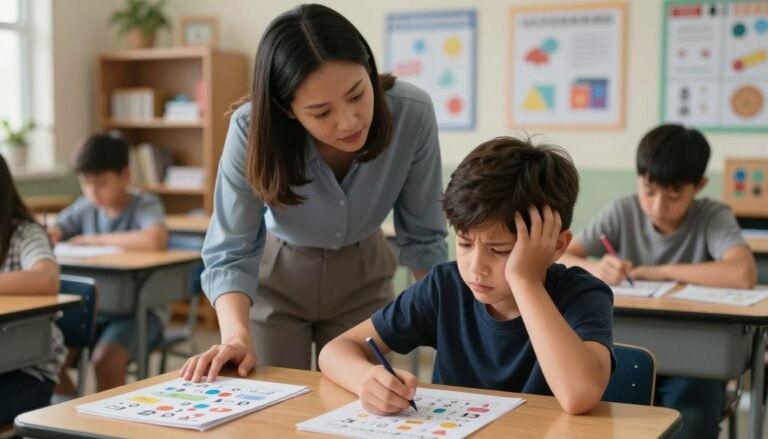
Inclusion goes beyond mere physical presence in the classroom; it encompasses emotional, social, and academic integration. When educators actively engage in navigating inclusion, they create opportunities for diverse learners to thrive.
- Equity vs. Equality: Unlike treating all students the same (equality), inclusion focuses on the individual needs of each learner, ensuring everyone has the support necessary to succeed.
- Social Benefits: Students in inclusive settings learn empathy, compassion, and effective communication. This environment prepares them for a diverse workforce and society.
The Legal Framework
Several federal laws in the United States, such as the Individuals with Disabilities Education Act (IDEA) and Section 504 of the Rehabilitation Act, mandate inclusive practices in educational settings. Understanding these laws is essential for educators navigating the complexities of inclusion.
Key Strategies for Navigating Inclusion
1. Building Inclusive Relationships
One of the cornerstone practices of navigating inclusion is the development of strong relationships within the classroom.
Case Study: A Collaborative Classroom
At River Valley High School, teachers initiated a peer mentorship program where students without disabilities paired with those who needed additional support. This initiative helped foster friendships and improved academic performance across the board.
Analysis: This case study illustrates that relational dynamics can deeply impact student engagement and performance. By prioritizing interpersonal relationships, educators not only cultivate a sense of belonging but also enhance collaboration.
2. Differentiated Instruction
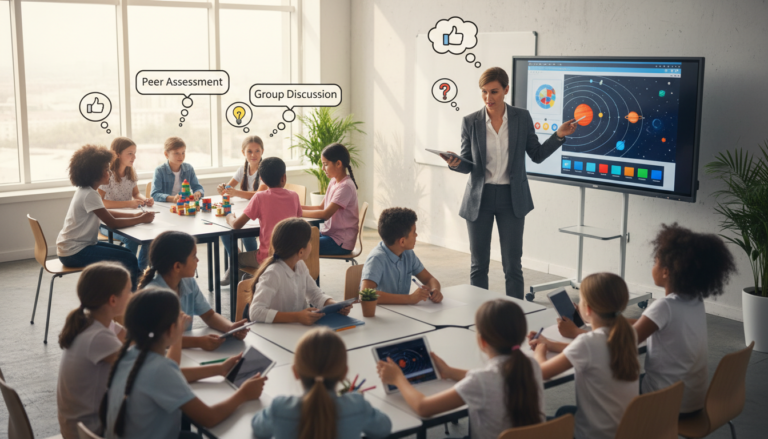
Differentiated instruction serves as a vital technique in navigating inclusion. This approach tailors teaching to meet the varied needs of students.
Include various teaching methods:
- Visual Aids: For visual learners, charts and interactive resources should be emphasized.
- Hands-On Activities: These are particularly beneficial for kinesthetic learners.
Case Study: Tailored Lessons at Learning Tree Academy
Learning Tree Academy implemented a system where educators created tiered assignments based on student readiness levels. Research noted a significant increase in student engagement and understanding.
Analysis: Tailored lessons allow educators to meet learners where they are, fostering an inclusive atmosphere that celebrates differences.
3. Universal Design for Learning (UDL)
Universal Design for Learning (UDL) is an educational framework grounded in cognitive neuroscience that emphasizes flexibility in teaching. By providing multiple means of engagement, representation, and action, educators can better support diverse learners.
- Engagement: Incorporate choice into assignments to motivate students.
- Representation: Use diverse media forms to present information.
Case Study: UDL in Action at Elmwood School
At Elmwood School, UDL principles were applied to the science curriculum, where students could choose how they demonstrated understanding—via projects, presentations, or written reports.
Analysis: This demonstrated that student choice enhances motivation and accountability, illustrating a practical application of UDL principles within the classroom.
4. Ongoing Professional Development
Educators must continually educate themselves on best practices in navigating inclusion. Participating in workshops and training sessions fosters growth and equips teachers with new strategies.
- Peer Collaboration: Regularly sharing experiences with colleagues can promote innovative approaches and teamwork.
- Online Resources: Platforms like ASCD offer vast resources for continuous learning.
Case Study: Professional Learning Communities (PLCs) at Benton High
Benton High initiated PLCs, allowing teachers to engage in meaningful dialogue about inclusion strategies. Increased collaboration led to more tailored lesson plans and improved student outcomes.
Analysis: This case shows that professional development should be ongoing and collaborative, emphasizing the role of educators as lifelong learners.
Navigational Tools for Every Educator
5. Creating a Supportive Classroom Environment
The physical layout and emotional climate of a classroom significantly impact inclusivity. A welcoming environment includes:
- Flexible Seating: Arranging furniture to allow movement and comfort supports various learning styles.
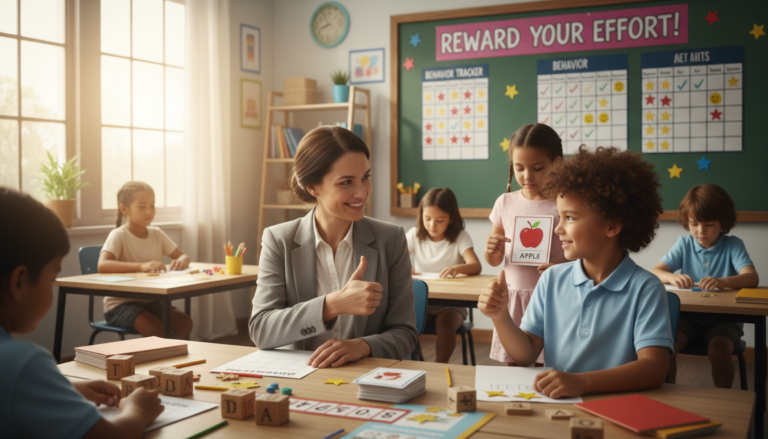
- Visual Supports: Displays of student work promote pride and ownership within the learning space.
6. Effective Communication with Families
Engaging with families creates a partnership that supports student learning. Regularly communicate through newsletters, parent-teacher conferences, and social media.
Case Study: Engagement at Maple Street School
Maple Street School established a bi-monthly newsletter that highlighted student successes and upcoming events. High family involvement correlated with improved classroom behavior and academic performance.
Analysis: By maintaining open channels of communication, the school fostered a supportive home-school connection focused on student success.
Measuring Success in Inclusive Practices
7. Assessment Strategies
Effective assessment should include not only traditional tests but also alternate forms of evaluation, such as portfolios and presentations. These approaches can provide a more holistic view of student learning.
Table: Comparison of Assessment Methods
| Assessment Type | Pros | Cons |
|---|---|---|
| Standardized Tests | Objective measure of knowledge | May not reflect actual ability |
| Portfolios | Showcase of student progress | Time-consuming to evaluate |
| Presentations | Develops communication skills | Anxiety for some students |
8. Continuous Feedback and Reflection
Feedback loops should be established to assess the effectiveness of inclusion strategies and adapt as needed. Regularly reflect on classroom practices to stay aligned with goals.
Conclusion
As educators navigate inclusion, employing these essential best practices can transform classroom dynamics and foster an environment where every student thrives. From building relationships to utilizing UDL and ongoing professional development, the journey toward inclusion is both a profound responsibility and a rewarding opportunity. It is our collective duty to ensure that every student, regardless of their challenges, has a place in our classrooms and society.
Actionable Takeaway
Reflect on your current teaching practices. Identify one strategy from this article to implement in your classrooms this week—be it differentiated instruction or enhancing communication with families.
In the educational landscape, everyone plays a part; let’s commit to fostering inclusion together.
FAQs
1. What does inclusion mean in education?
Inclusion refers to the educational practice of teaching students with diverse needs in the same classroom, ensuring access to the curriculum and promoting social interaction among all students.
2. Why is inclusion important?
Inclusion promotes equity and social justice, helping all students develop critical social skills while thriving academically in a supportive environment.
3. How can I differentiate instruction effectively?
Differentiated instruction can be implemented by modifying content, processes, products, or the learning environment based on individual student needs.
4. What are some benefits of Universal Design for Learning?
UDL benefits include increased engagement, improved understanding, and better retention of knowledge among students with diverse needs.
5. How do I engage families in the inclusion process?
Engaging families can be achieved through regular communication, newsletters, and invitations to participate in school events and decision-making processes.
6. What resources can help me implement inclusive practices?
Consider using professional organizations, online courses, and workshops focused on inclusion strategies, as well as educational technology resources designed for diverse learners.
Through navigating inclusion, we can reshape education for a brighter, more equitable future. Let’s leverage these strategies to create classrooms where every student is valued and empowered.
About the Author


Dr. Leah Howard, Positive Psychology
Dr. Howard is a researcher and advocate for positive psychology, focusing on human strengths, happiness, and well-being. Her writings explore how people can cultivate a positive mindset, improve resilience, and develop emotional intelligence to live fulfilling lives.