Redefining Success: Celebrating Achievements in the Face of Learning Challenges
Introduction
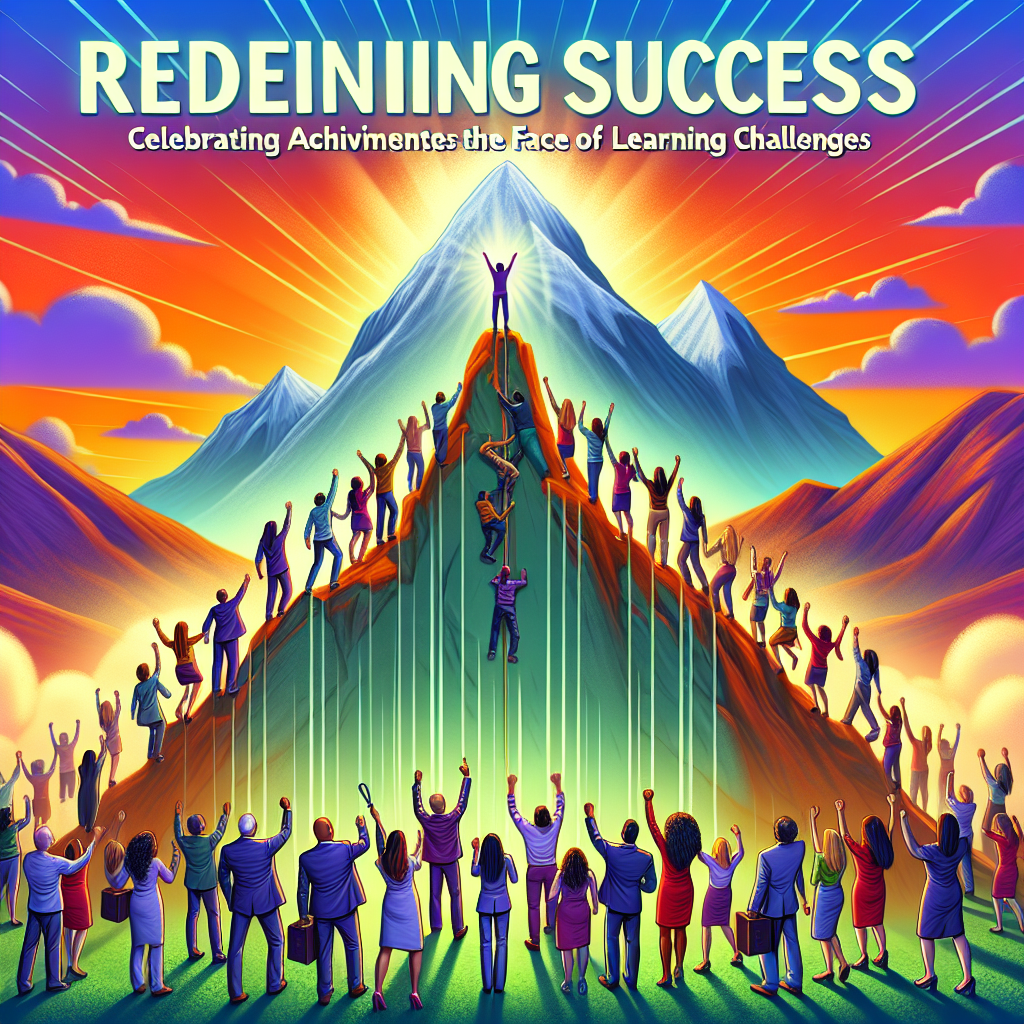
In a world that often equates success with traditional metrics—grades, promotions, or accolades—it’s crucial to explore a new narrative. Redefining success: celebrating achievements in the face of learning challenges invites us to broaden our understanding of what it means to succeed. This perspective emphasizes the journey, the struggles overcome, and the growth achieved despite adversities. By embracing this broader definition of success, we not only empower individuals who face learning challenges but also cultivate a more inclusive environment where everyone’s achievements are valued.
Let’s embark on this illuminating journey, where we uncover inspiring stories, leverage real-world case studies, and ultimately redefine how we perceive achievements in the face of challenges.
Understanding Learning Challenges
What Are Learning Challenges?
Learning challenges encompass a broad spectrum of difficulties, ranging from specific learning disabilities (like dyslexia or ADHD) to emotional or social difficulties that hinder the learning process. These challenges affect how individuals absorb, process, and express information, making traditional educational paths particularly arduous.
The Importance of Redefining Success
In educational settings, a narrow view of success can lead to stigma and discouragement among learners facing challenges. By redefining success to include personal growth, resilience, and the setting of individual milestones, we create a supportive framework that recognizes diverse pathways to achievement.
Celebrating Different Models of Success
Non-Traditional Paths to Success
Many individuals have redefined success for themselves by choosing non-traditional paths. For instance, consider the following case studies that showcase various perspectives on success:
Case Study 1: The Artist’s Journey
Subject: A talented artist diagnosed with dyslexia who struggled through conventional schooling but excelled in visual arts.
Analysis: This artist’s success was not measured by academic achievements but by her ability to communicate emotions and ideas through her art. By emphasizing creativity instead of traditional metrics, she illustrates how pursuing passion can redefine success.
Case Study 2: The Entrepreneurial Spirit
Subject: A young entrepreneur with ADHD who leveraged her unique thought processes to create a successful tech startup.
Analysis: This individual demonstrates that traits often viewed as challenges can foster innovation and success in other realms. Her story encourages others to embrace their differences and channel them into positive outcomes.
The Power of Resilience
Resilience is vital in the face of learning challenges. It’s the ability to bounce back from setbacks, and it forms the cornerstone of success in any context. Here, we explore its significance through further real-world successes.
Case Study 3: The Educator’s Approach
Subject: A high school teacher redefined her teaching methods to support students with diverse learning needs.
Analysis: By adopting differentiated teaching strategies and creating a more inclusive classroom, she fostered an environment where every student could thrive, regardless of their learning challenges. This approach redefined success for her students, enabling them to celebrate small achievements in everyday learning.
Celebrating Small Wins
In the journey of overcoming learning challenges, it’s essential to celebrate small wins. These incremental successes pave the way for greater achievements.
Table: Examples of Small Wins
| Challenge Faced | Small Win Achieved | Impact |
|---|---|---|
| Reading difficulties | Completed a book | Boosted confidence |
| Math anxiety | Solved problems correctly | Improved self-esteem |
| Social challenges | Joined a group | Enhanced social skills |
Each column serves to remind us of the societal need to celebrate accomplishments, no matter their size.
Creating a Supportive Environment
Community and Collaboration
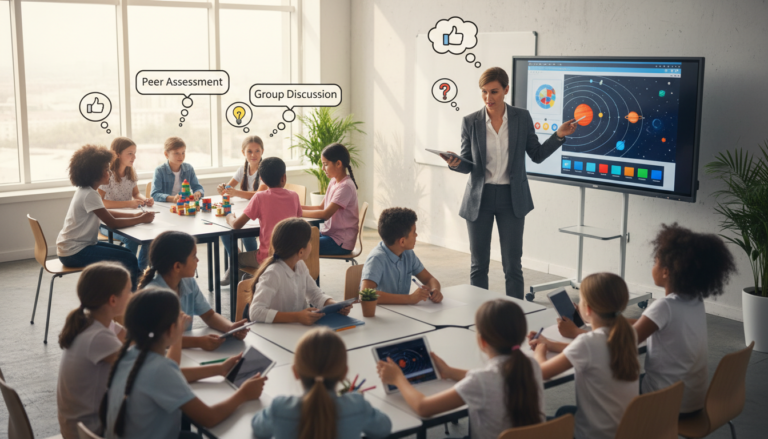
Creating an environment that celebrates achievements in the face of learning challenges starts with community and collaboration. Schools, families, and peers play a significant role in this structural support.
Case Study 4: The Peer Support Program
Subject: A peer mentoring program in a school designed to pair students with learning challenges with those who can offer support.
Analysis: This collaborative effort not only built understanding and empathy but also empowered both mentors and mentees. The success of this program demonstrated that together, the definition of success can be transformed through shared experiences.
The Role of Technology
Modern technology offers innovative solutions for addressing learning challenges, thereby redefining success through accessible resources and learning tools.
Case Study 5: Innovative Learning Apps
Subject: A nonprofit developed an app designed for students with ADHD to manage their tasks and improve focus.
Analysis: This app changed how individuals with learning difficulties approached their studies, making success achievable through the utilization of tailored resources that meet their specific needs.
Mental Health and Emotional Well-being
Addressing the Mental Health Factor
Learning challenges often co-occur with mental health issues. Therefore, a holistic view of success must incorporate emotional well-being.
Case Study 6: Counseling and Academic Success
Subject: A school implemented a counseling program that effectively supported students’ mental health and, in turn, their academic performance.
Analysis: This effort highlighted the importance of mental health as part of defining success. By addressing emotional needs, students were better equipped to face academic challenges.
Redefining Personal Goals
Setting Realistic and Individualized Goals
The journey of redefining success hinges on setting personal and realistic goals. This individualized approach fosters a sense of ownership, making achievements more meaningful.
Case Study 7: Individualized Education Plans (IEPs)
Subject: The implementation of IEPs for students with learning challenges to set tailored educational goals.
Analysis: IEPs encourage students to focus on their unique strengths, thereby redefining success based on personal benchmarks rather than standard metrics.
Conclusion
The journey to redefining success: celebrating achievements in the face of learning challenges is a vital conversation that paves the way for greater inclusivity and understanding. By embracing diverse pathways to achievement, we foster an environment where everyone can grow, thrive, and celebrate their wins, no matter how small.
Success should not solely be defined by conventional standards but instead by personal journeys, resilience, emotional well-being, and collective support. As we continue to explore these narratives, let’s remain committed to supporting each other through our unique challenges.
FAQs
What are learning challenges?
Learning challenges refer to various difficulties individuals may encounter while trying to acquire or express information, which can include learning disabilities or emotional hurdles.
How can I support someone facing learning challenges?
Supporting someone means being patient, offering encouragement, and celebrating their unique achievements, no matter their size. Listening and providing resources can also make a significant impact.
What are some examples of success in the face of learning difficulties?
Success can take many forms, such as completing a personal project, achieving a new skill, or simply making progress in emotional health and relations with others.
How important is resilience in overcoming learning challenges?
Resilience is critical; it enables individuals to cope with setbacks and persist in pursuing their goals, leading to a healthier, more positive view of success.
Can technology aid in redefining success for those with learning challenges?
Yes, technology provides various tools and platforms that cater specifically to the needs of those facing learning challenges, helping them achieve personal goals and redefine success.
How can schools create a more inclusive environment for students with learning challenges?
Schools can foster inclusivity by implementing personalized learning strategies, peer support programs, and mental health resources to address the broader complexities of learning challenges.
By integrating these insights into our understanding of success, we actively participate in redefining success: celebrating achievements in the face of learning challenges, making strides toward a more compassionate and empowering society.
About the Author


Dr. Leah Howard, Positive Psychology
Dr. Howard is a researcher and advocate for positive psychology, focusing on human strengths, happiness, and well-being. Her writings explore how people can cultivate a positive mindset, improve resilience, and develop emotional intelligence to live fulfilling lives.