Introduction
In a world where crime can shatter lives and destabilize communities, the urgency for effective investigative methods has never been greater. Enter the fascinating realm of criminal behavior analysis. Profiling the perpetrator: the role of criminal behavior analysis in solving cases doesn’t just sound intriguing; it’s a pivotal strategy that has transformed the way law enforcement agencies tackle some of the most perplexing criminal minds. Picture detectives piecing together the fragments of a crime scene, guided by psychological insights that breathe life into an otherwise cold case. This is not just an art—it’s a science that can lead us to the truth.
Understanding Criminal Behavior Analysis
What is Criminal Behavior Analysis?
Criminal behavior analysis is a specialized field focused on understanding the psychological and behavioral aspects of criminals. It involves examining crime scenes, victimology, and the motives behind criminal actions to develop offender profiles.
The Psychology Behind Profiling
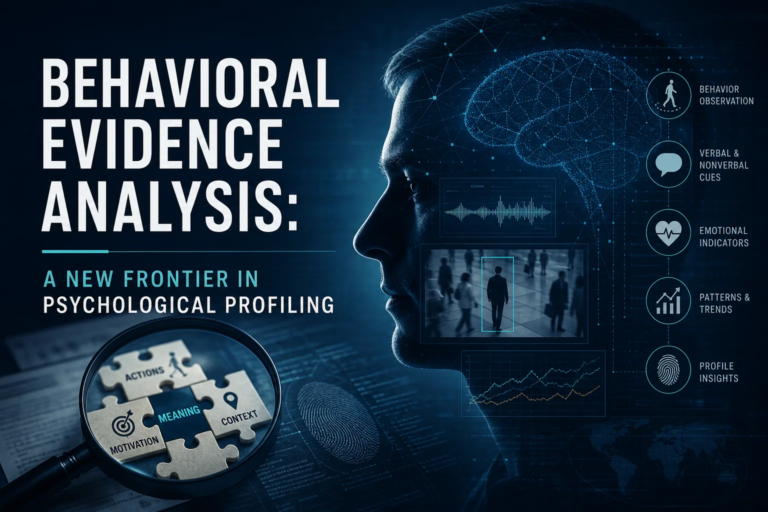
At its core, profiling is based on the principle that behavior reflects personality. Profilers analyze patterns in criminal behavior—what drives an individual to commit a particular crime, their emotional state during the act, and the techniques employed. This can reveal insights not only about the perpetrator but also about potential future actions.
Key Concepts Include:
- Crime Scene Analysis: Examining forensic evidence and the spatial arrangement of a crime scene.
- Victimology: Understanding the characteristics and behaviors of victims which may link them to the perpetrator.
- Offender Profiling: Identifying the behavioral traits and characteristics of the likely criminal.
The Role of Data and Technology
The growth of technology has revolutionized criminal behavior analysis. Data analysis tools, facial recognition software, and geographic profiling aid law enforcement in creating more accurate and reliable profiles. By utilizing vast databases of criminal activity, detectives can now make connections that were once invisible using traditional methods.
Case Studies in Criminal Behavior Analysis
Case Study 1: The Unabomber
The infamous case of the Unabomber, Theodore Kaczynski, showcases the power of criminal profiling. With minimal information, investigators were able to piece together a psychological profile. Using insights into his sociopathic tendencies, they identified his motivations rooted in a desire for social and technological revolution.
Relevance: This case exemplifies how understanding the psychology behind actions can lead to narrowing down suspects, even when the evidence is lacking.
Case Study 2: BTK Killer
The BTK (Bind, Torture, Kill) killer evaded capture for decades. However, the eventual capture of Dennis Rader was significantly influenced by criminal profiling techniques. By analyzing his behavior patterns and the way he communicated with law enforcement and media, profilers deduced his need for control and attention.
Relevance: This case highlights the effectiveness of understanding psychological drivers in predicting suspect behavior, leading to Rader’s eventual confession.
Case Study 3: The Golden State Killer
The apprehension of the Golden State Killer in 2018 is a testament to the integration of genetic genealogy and criminal profiling. By leveraging DNA evidence and the behavioral traits of the original crime scenes, investigators were able to create a robust profile that led to the arrest of Joseph DeAngelo.
Relevance: This demonstrates the synergy between traditional profiling methods and new technologies, illustrating the evolving field of criminal behavior analysis.
The Process of Criminal Profiling
Step 1: Data Collection and Analysis
The first step in profiling the perpetrator is to gather all available information. This includes forensic evidence, witness statements, and previous incident patterns.
Step 2: Crime Scene Reconstruction
Reconstructing the crime scene is crucial. Profilers evaluate factors like time of day, weapon used, and location to discern clues about the perpetrator’s state of mind and modus operandi.
Step 3: Developing the Profile
Using the collected data, profilers create a comprehensive profile that might include:
- Demographics: Age, gender, ethnicity, and socioeconomic background.
- Psychological Traits: Personality type, emotional state, and behavioral history.
- Possible Motives: Financial gain, revenge, thrill-seeking, etc.
Step 4: Validation and Testing
Finally, profiling is not merely guesswork. Profiler assessments are tested against new suspects and evidence. If a suspect matches the profile, they become a prime candidate for further investigation.
The Importance of Collaborative Efforts
Law Enforcement and Psychological Experts
Integrating insights from behavioral scientists enhances the accuracy of criminal profiles. A dynamic exchange of perspectives between detectives and psychologists fosters an environment ripe for innovation.
Community Involvement
Communities play an indispensable role in solving crimes. Awareness programs and neighborhood watch initiatives provide law enforcement with crucial local insights, crucial for profiling the perpetrator accurately.
Challenges in Criminal Behavior Analysis
Ethical Considerations
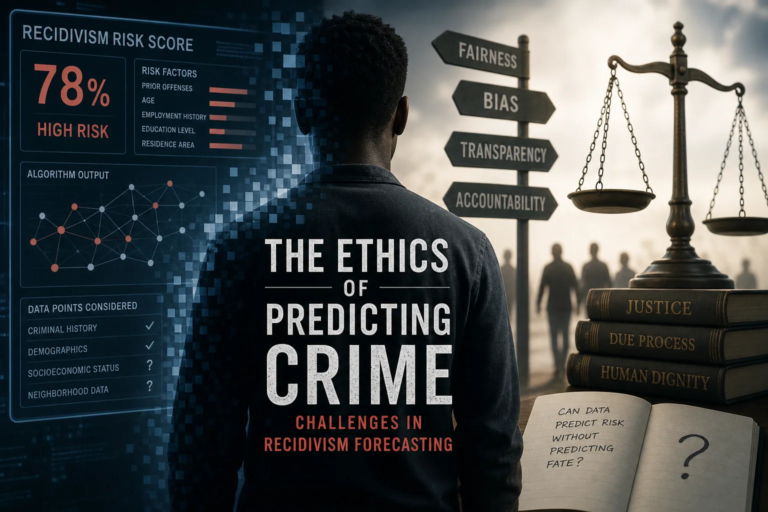
Criminal profiling often walks a fine line between behavior analysis and racial or social bias. Misapplication of profiling techniques can lead to wrongful accusations.
Complexity of Human Behavior
Human beings are intricate beings influenced by myriad factors. This complexity often leads to contradictory behaviors, making profiling an imperfect science.
Conclusion
Profiling the perpetrator: the role of criminal behavior analysis in solving cases is not merely a tool—it’s a vital component of modern crime investigation. As we’ve seen through various case studies, understanding the motivations and psychological drives of criminals can lead to the resolution of seemingly unsolvable cases.
As we continue to harness the power of technology in conjunction with deep psychological insights, the future of criminal profiling looks promising. With an ever-evolving landscape of crime, the tools and techniques born from criminal behavior analysis will be critical in not only catching criminals but also understanding the very fabric of human behavior.
FAQs
1. How accurate is criminal profiling?
- While criminal profiling can significantly aid investigations, it is not foolproof. Profiles are based on patterns and probabilities, which means they may not always apply to every individual case.
2. What training is required for a criminal profiler?
- Most profilers are trained in criminal psychology, law enforcement, or forensic science. Advanced degrees, such as a master’s in psychology or criminology, are often beneficial.
3. Can profiling be used in non-violent crimes?
- Yes, profiling can be applied to various criminal activities, including fraud, embezzlement, and cybercrimes. Understanding motives helps in these scenarios as well.
4. Is criminal profiling purely based on psychological analysis?
- No, it combines psychology, statistics, and investigative science. Effective profiling requires a multifaceted approach to understanding human behavior.
5. How is technology influencing criminal behavior analysis?
- Technology, such as data analytics and geographical profiling, enhances the ability to identify patterns and connections that help in developing more accurate profiles.
As we delve deeper into criminal behavior analysis, it becomes increasingly clear that understanding and profiling the perpetrator is essential for solving cases. The journey ahead is one of collaboration, innovation, and unyielding pursuit for justice.
About the Author


The PsyForU Editorial Collective is the research and editorial team of PsyForU Research International. The collective prepares educational, psychological, mental-health-awareness, inclusion, neurodiversity, and research-methodology content for students, parents, educators, researchers, and general readers. PsyForU content is intended for awareness, education, and capacity-building and should not be treated as clinical diagnosis, therapy, medical advice, legal advice, or emergency mental-health support.