Introduction
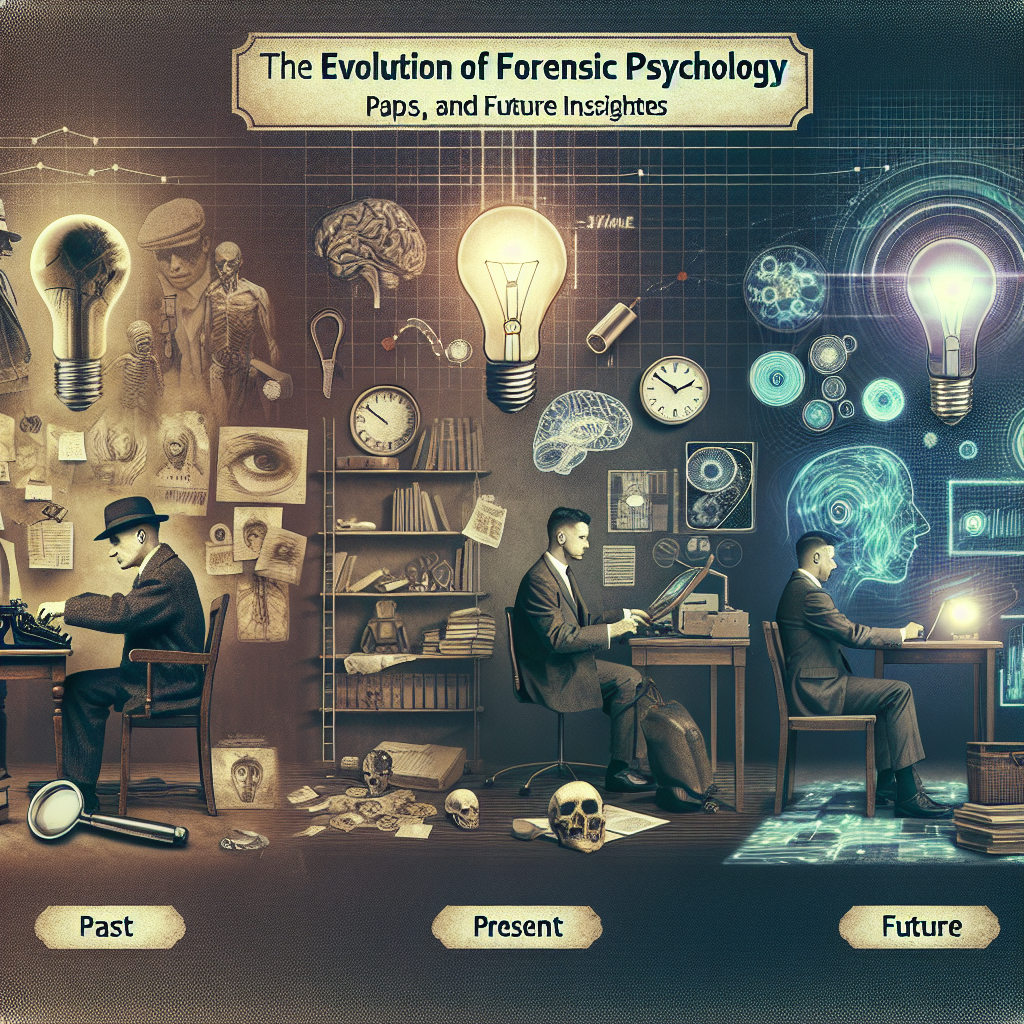
In a world where crime and justice dominate headlines, the role of forensic psychology has never been more vital. This interdisciplinary field combines psychology and legal principles to assist in understanding criminal behavior, providing insights into the mental states of offenders, and offering expert testimony in court. Understanding The Evolution of Forensic Psychology: Past, Present, and Future Insights sheds light on how this essential discipline has transformed over time and its implications for future developments.
Imagine a detective delving deep into the psyche of a criminal, unraveling the complexities of human behavior to assist in solving a puzzling case. The insights garnered from forensic psychology not only help in apprehending criminals but also serve as a guiding light for rehabilitation and prevention. So, how did we arrive at this complex amalgamation of science and law? Let’s explore the journey.
The Origins: Forensic Psychology in the Past
Historical Context
Forensic psychology, as we know it today, has roots tracing back to the late 19th century. The term "forensic" originates from the Latin word forensis, meaning “of the forum,” which relates to the public discussion of legal matters. Early forms of psychological assessments began to emerge, with figures like Cesare Lombroso, an Italian criminologist, advocating the idea that criminal behavior is innate and can be identified through physical characteristics.
The Rise of Criminal Profiling
One of the key developments in early forensic psychology was the establishment of criminal profiling. In the 1940s and 50s, Dr. James Brussel utilized psychological principles to create profiles of criminals, most famously predicting the behavior of the "Mad Bomber" in New York. This case illustrated the value of psychological insights in criminal investigations, marking a significant point in The Evolution of Forensic Psychology: Past, Present, and Future Insights.
Case Study: The Mad Bomber
In the 1940s, Dr. Brussel analyzed a series of bombings in New York City and developed a profile suggesting that the bomber was a middle-aged man who lived alone and harbored a grudge against the city. His predictions about the bomber’s appearance and background turned out to be eerily accurate when the suspect, George Metesky, was apprehended. This case underscores the early potential of forensic psychology as a valuable tool in law enforcement.
The Intersection with Law
As the field evolved, the legal system began to recognize the importance of expert testimony from psychologists. The case of Frye v. United States (1923) established that scientific evidence must be “generally accepted” within a relevant scientific community, paving the way for psychologists to provide critical insights in court settings.
The Present: Forensic Psychology Today
Current Practices
Today, forensic psychology encompasses a wide range of practices, from competency assessments for defendants to risk assessments for violent behavior. Professionals in this field often work closely with law enforcement agencies, legal teams, and correctional institutions.
Key Areas of Forensic Psychology
Criminal Profiling and Behavioral Analysis: Modern profiling relies on a combination of psychological theories, behavioral evidence, and statistical methods.
Expert Witness Testimony: Forensic psychologists often testify regarding the mental capacity of defendants, impacting their legal outcomes.
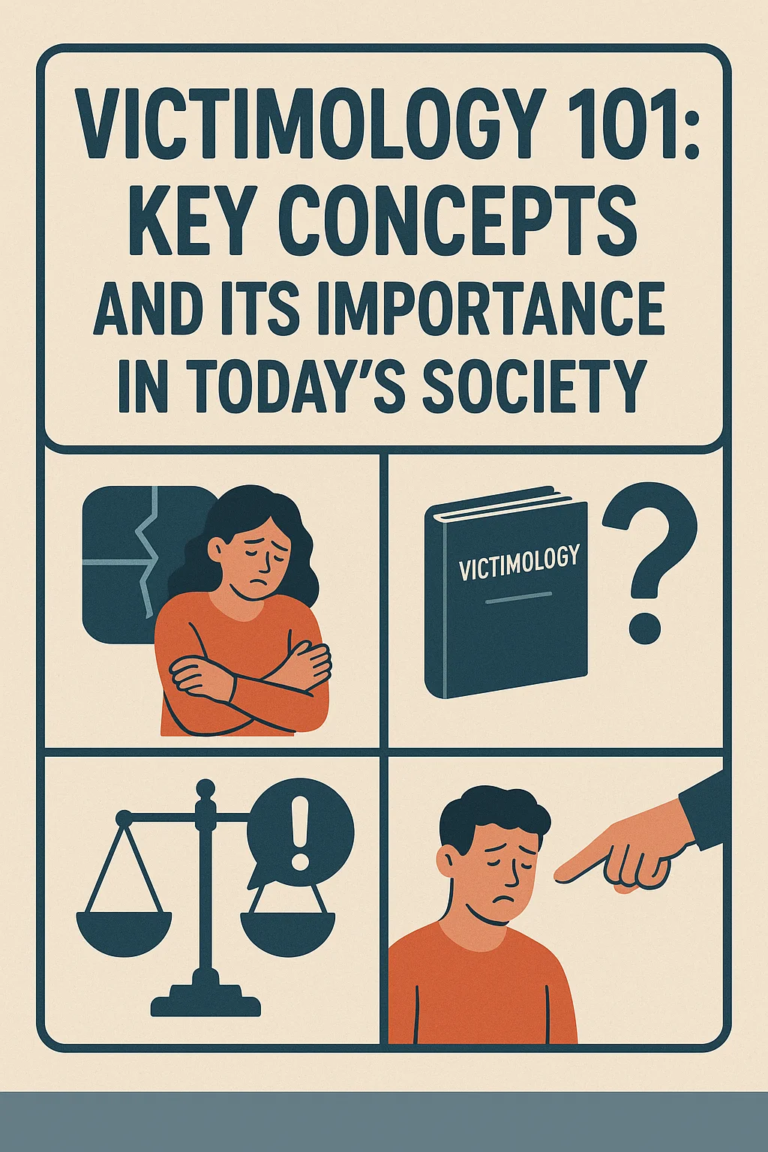
- Victimology: Understanding the psychological impact of crime on victims is another essential focus in contemporary forensic psychology.
Tools and Techniques
The evolution of technology has dramatically changed how forensic psychology operates. Advanced tools such as functional Magnetic Resonance Imaging (fMRI) and DNA profiling have reinforced the accuracy and reliability of psychological assessments and evidence.
Table: Tools in Modern Forensic Psychology
| Tool | Purpose |
|---|---|
| fMRI | Assess brain activity during criminal behavior |
| Risk assessment tools | Evaluate the likelihood of reoffending |
| Interview techniques | Gather in-depth psychological profiles |
The Impact of Mental Health Awareness
In recent years, there has been a surge in public awareness about mental health issues, influencing the legal context in which forensic psychologists operate. This shift has allowed for more comprehensive assessments and has led to an understanding of how mental illness plays a critical role in criminal behavior.
Case Study: The Jared Loughner Trial
In 2011, Jared Loughner, diagnosed with a severe mental disorder, was held responsible for a mass shooting incident in Tucson, Arizona. The forensic psychological evaluations conducted during his trial raised debates about the intersection of mental illness and criminal responsibility, demonstrating the significant influence of forensic psychology in contemporary legal frameworks.
The Future: The Evolving Landscape of Forensic Psychology
Upcoming Trends
As we move forward, several trends stand to shape the future of forensic psychology:
Integration of Artificial Intelligence: AI technologies are poised to transform assessments and profiling. By analyzing vast datasets, AI can identify patterns in criminal behavior that might not be immediately apparent to human analysts.
Focus on Rehabilitation: The understanding that legal punishments are not solely punitive but should also aim to rehabilitate offenders is gaining ground, shaping policies and practices in forensic psychology.
- Neuroscience Advancements: Emerging research in neuroscience will continue to illuminate the biological underpinnings of behavior, leading to more sophisticated psychological assessments.
Ethical Considerations
With the rapid evolution comes the ethical responsibility of forensic psychologists. As they harness new tools and techniques, it’s crucial to consider the implications of their work on individuals’ rights and the integrity of justice systems.
Conclusion
Understanding The Evolution of Forensic Psychology: Past, Present, and Future Insights allows not only for an appreciation of the complexities of human behavior but also fosters a nuanced understanding of justice in society. As we reflect on the significant milestones in this evolving field, it is essential to recognize the continued need for collaboration among psychologists, legal professionals, and policymakers.
The journey of forensic psychology is far from complete. With ongoing research and advancements, the future holds promising possibilities for improving both criminal investigations and outcomes for those affected by crime. Whether you’re a student, a professional in the field, or simply someone interested in the psychological underpinnings of crime, the insights gained from this evolving discipline can inspire new approaches to understanding justice.
FAQs
1. What is forensic psychology?
Forensic psychology is the intersection of psychology and the legal system, focusing on understanding criminal behavior, providing expert testimony, and assisting in various legal matters.
2. How has forensic psychology evolved over time?
Forensic psychology has evolved from early profiling methods in the 19th century to advanced psychological assessments and expert testimony in contemporary legal contexts.
3. What role do forensic psychologists play in the legal system?
Forensic psychologists assess the mental state of defendants, provide expert testimony, and contribute to criminal investigations through profiling and behavioral analysis.
4. How can technology enhance forensic psychological practices?
Technological advancements such as AI and neuroimaging techniques are aiding in more accurate assessments and understanding of criminal behavior.
5. What ethical considerations are important in forensic psychology?
Ethical considerations include respecting individual rights, maintaining objectivity, and ensuring that assessments and testimony are reliable and valid within legal contexts.
By understanding the evolution of forensic psychology, we arm ourselves with the insights crucial for both contemporary justice and planning future developments. The path ahead is filled with potential, ready to be harnessed for advancements in the psychological and legal fields.
About the Author