Introduction
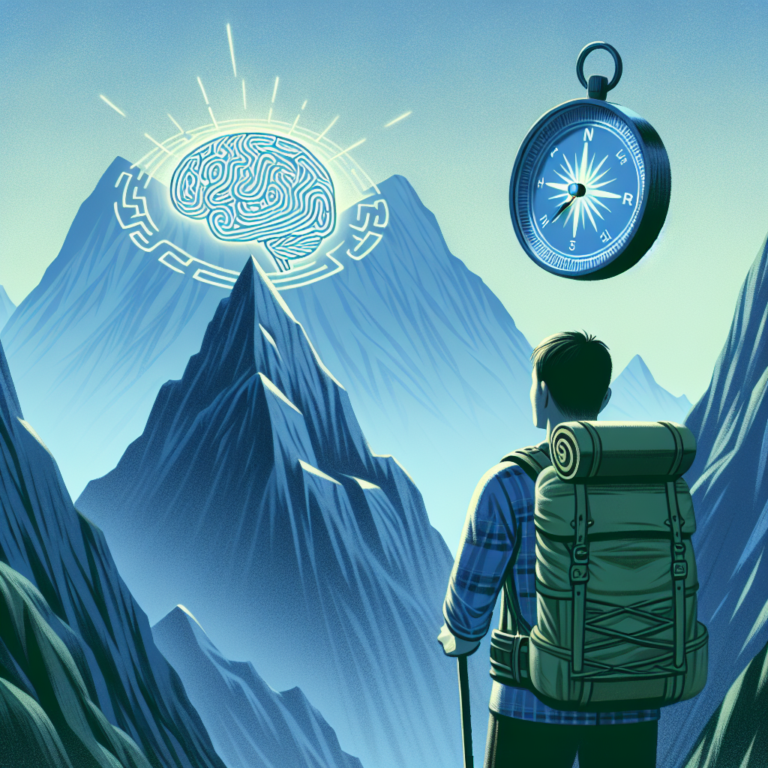
Recovering from life’s challenges, whether they stem from trauma, addiction, or mental health issues, is often a journey fraught with obstacles. Yet, amidst the struggle, there exists a beacon of hope known as resilience—the ability to bounce back and thrive despite adversity. Resilience in Recovery: The Psychological Strategies That Make a Difference not only plays a vital role in the healing process but is also essential for lasting change. This article delves into the effective psychological strategies that can reinforce resilience, providing readers with actionable insights to empower their recovery journey.
Understanding Resilience in Recovery
Defining Resilience
Resilience isn’t merely about enduring hardship; it reflects a dynamic process of adaptation and growth. This ability allows individuals to confront difficulties head-on, develop new skills, and ultimately transform their challenges into opportunities for personal growth.
The Importance of Resilience in Recovery
The journey of recovery is often non-linear, filled with ups and downs. Those who possess resilience are resilient in recovery, equipped to navigate setbacks, maintain hope, and cultivate a positive mindset. Research indicates that resilience leads to better outcomes in mental health, suggesting a direct correlation between psychological strategies and successful recovery.
Table 1: The Benefits of Resilience in Recovery
| Benefit | Description |
|---|---|
| Improved Mental Health | Reduces anxiety, depression, and stress. |
| Greater Emotional Strength | Fosters emotional regulation and stability. |
| Enhanced Coping Skills | Develops effective strategies for overcoming challenges. |
| Stronger Relationships | Encourages healthy social connections. |
| Increased Well-Being | Promotes overall happiness and fulfillment. |
Psychological Strategies for Building Resilience
1. Cognitive Behavioral Techniques
Cognitive Behavioral Therapy (CBT) is a powerful tool in building resilience. By reshaping negative thought patterns, individuals can change their emotional responses and behaviors.
Case Study: Sarah’s Transformation
Sarah, a 32-year-old recovering from alcohol addiction, struggled with disabling self-doubt. Through CBT, she learned to challenge her negative thoughts, replacing “I will fail” with “I can learn and improve.” This transformation fostered a sense of control over her life, significantly enhancing her resilience in recovery.
Analysis: Sarah’s case highlights the power of cognitive restructuring. Such strategies empower individuals to redefine their narratives, essential for fostering resilience during recovery.
2. Mindfulness and Self-Compassion
Mindfulness encourages individuals to stay present, reducing anxiety about the future or regret over the past. Coupled with self-compassion, it allows for a gentler self-view during tough times.
Case Study: Robert’s Mindfulness Journey
Robert, a 45-year-old veteran, found himself entangled in the throes of PTSD. Through mindfulness meditation, he learned to observe his thoughts without judgment. This practice, combined with self-compassion, enabled him to acknowledge his pain while fostering resilience.
Analysis: Robert’s experience showcases how mindfulness and self-compassion can break the cycle of negative self-talk, promoting emotional growth and resilience in recovery.
3. Building Strong Social Connections
Social support is one of the most significant factors in fostering resilience. Building a network of supportive relationships provides individuals with emotional support, encouragement, and resources.
Case Study: Carla’s Support Network
After losing her mother, Carla turned to a grief support group. Surrounded by individuals with similar experiences, she felt connected and understood. This sense of belonging fortified her resilience, helping her quite literally bounce back from loss.
Analysis: Carla’s story illustrates the importance of community in recovery. Social connections can act as a buffer against stress, enhancing resilience and promoting long-term recovery.
4. Goal Setting and Achievement
Setting attainable goals provides a structured path for recovery, instilling a sense of purpose and accomplishment. SMART goals (Specific, Measurable, Achievable, Relevant, Time-bound) are particularly effective.
Case Study: James’s Path to Fitness
James, a former substance abuser, set a goal to run a 5k race. By breaking down the goal into manageable steps, he gradually regained physical and mental fitness, significantly enhancing his resilience.
Analysis: James’ commitment to goal-setting reinforces the idea that incremental achievements can lead to substantial improvements in resilience, motivating continued growth in recovery.
5. Embracing Change
Resilience in recovery often hinges on one’s ability to embrace change. The landscape of healing is dynamic; adapting to change can bolster an individual’s journey.
Case Study: Emily’s Career Shift
Emily, who faced mental health challenges, opted for a career change to pursue her passion for art therapy. Embracing this change not only enriched her life but also reinforced her resilience through creativity.
Analysis: Emily’s decision demonstrates that embracing change can open new avenues for personal fulfillment, contributing to overall resilience in recovery.
Practical Applications: How to Cultivate Resilience in Recovery
Daily Practices for Building Resilience
Developing Resilience in Recovery: The Psychological Strategies That Make a Difference requires consistent effort. Here are some daily practices:
- Journaling: Documenting thoughts and feelings can clarify emotions and foster resilience.
- Positive Affirmations: Repeating positive statements can reinforce self-belief and resilience.
- Physical Activity: Regular exercise not only boosts mood but also enhances emotional strength.
Chart: Daily Practices for Resilience
| Practice | Frequency | Benefits |
|---|---|---|
| Journaling | Daily | Clarity, emotional processing |
| Positive Affirmations | Morning and Night | Boosts self-esteem, reinforces resilience |
| Physical Activity | 3-5 times a week | Enhances mood, builds emotional strength |
Conclusion
Building Resilience in Recovery: The Psychological Strategies That Make a Difference is a multifaceted journey, combining various techniques to foster emotional strength and adaptability. By implementing cognitive-behavioral techniques, embracing mindfulness, nurturing social connections, setting goals, and welcoming change, individuals can navigate the complexities of recovery more effectively.
As you embark on or continue your recovery journey, remember: resilience is not merely a trait—it’s a skill. One that anyone can cultivate with practice and determination.
FAQs
1. What is resilience in the context of recovery?
Resilience in recovery refers to the ability to bounce back from challenges, adapt positively to stress, and maintain hope during difficult times.
2. How can building resilience help in mental health recovery?
Building resilience equips individuals with coping strategies, fostering emotional regulation and reducing the likelihood of relapse during challenging times.
3. Are there specific strategies for enhancing resilience?
Yes, strategies such as cognitive-behavioral techniques, mindfulness practices, social support, and goal-setting are effective in enhancing resilience.
4. How long does it take to build resilience?
Building resilience is a personal journey and varies for each individual. Consistent practice of resilience-building strategies can lead to noticeable improvements over time.
5. Can resilience be learned?
Absolutely! Resilience is a skill that can be developed through practice, learning, and adopting effective psychological strategies.
By embracing this journey of resilience, you have the power to unlock your potential and thrive in recovery. Let this knowledge guide you, inspire you, and remind you that you have the strength within to overcome any obstacle.
About the Author


The PsyForU Editorial Collective is the research and editorial team of PsyForU Research International. The collective prepares educational, psychological, mental-health-awareness, inclusion, neurodiversity, and research-methodology content for students, parents, educators, researchers, and general readers. PsyForU content is intended for awareness, education, and capacity-building and should not be treated as clinical diagnosis, therapy, medical advice, legal advice, or emergency mental-health support.