Introduction
Innovation has become the heartbeat of progress in today’s rapidly evolving world. Whether in technology, healthcare, or education, the ability to think creatively and solve complex problems is paramount. This is where problem-based learning (PBL) comes into play. By immersing learners in real-world challenges, PBL serves as a conduit for unleashing creativity and fostering innovative solutions. In this article, we will explore Unlocking Innovation: How Problem-Based Learning Inspires Creative Solutions, delving into its mechanisms, benefits, and real-world applications.
The Essence of Problem-Based Learning
What is Problem-Based Learning?
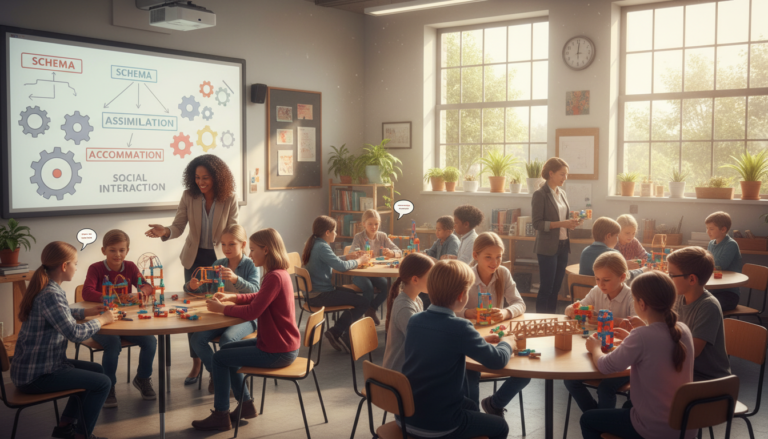
At its core, problem-based learning is an instructional method that encourages students to learn through the investigation of complex, real-world issues. Unlike traditional learning environments, where rote memorization reigns, PBL involves active engagement, critical thinking, and collaborative problem-solving. Learners are presented with a problem and must work together to devise solutions, harnessing their collective knowledge and skills.
Historical Context
The roots of problem-based learning trace back to medical education in the 1960s, specifically at McMaster University in Canada. The method aimed to produce not only knowledgeable physicians but also adaptable and resourceful practitioners. Since then, PBL has spread across disciplines, transforming how educators approach teaching and learning.
Why Problem-Based Learning is a Catalyst for Innovation
Fostering Critical Thinking
One of the key aspects of Unlocking Innovation: How Problem-Based Learning Inspires Creative Solutions lies in its ability to hone critical thinking skills. When faced with a problem, learners are compelled to assess various angles, analyze information, and think outside the box. This dynamic process encourages creative brainstorming, allowing unique solutions to emerge.
Encouraging Collaboration
Collaboration is another cornerstone of PBL. By working in teams, learners not only pool diverse perspectives but also simulate professional environments. This collaborative approach fosters communication skills, adaptability, and emotional intelligence—qualities that are indispensable in today’s workforce.
Emphasizing Real-World Relevance
PBL’s focus on real-world problems makes learning more meaningful. When students recognize the practical implications of their work, their intrinsic motivation to find innovative solutions escalates. The context of their learning shifts, making it not just an academic exercise but a stepping stone to real-world impact.
Case Studies Illustrating the Power of PBL
Case Study 1: Medical Education at McMaster University
In the late 1960s, McMaster University revolutionized medical education by implementing PBL. Instead of traditional lectures, students worked on case studies, diagnosing patient scenarios without prior access to textbooks. This hands-on approach not only fostered a deeper understanding of medical concepts but also trained students to think critically under pressure.
Key Takeaway
McMaster’s success showcases how immersive learning can produce highly competent professionals capable of creative solutions in critical situations.
Case Study 2: Engineering at Eindhoven University of Technology
The engineering curriculum at Eindhoven University embraces PBL by presenting students with real societal problems, such as sustainable energy solutions. Students are grouped and tasked with designing renewable energy systems for local communities. This project-based learning environment allows for innovation, where students conceptualize and actualize solutions that directly benefit society.
Key Takeaway
Eindhoven exemplifies how PBL can create an ecosystem of innovation, pushing students to not only ideate but also implement projects that have tangible societal impacts.
Key Components of Effective Problem-Based Learning
Structured Framework
For PBL to be effective, a structured framework is vital. This includes clearly defined learning objectives, a well-presented problem, and guidelines for collaboration and assessment. The framework helps guide students through the problem-solving process, ensuring they remain focused and engaged.
Facilitation over Instruction
In a PBL environment, the educator’s role shifts from instructor to facilitator. Rather than delivering content, educators guide discussions, pose questions, and encourage exploration. This transition empowers students to take ownership of their learning journey, enhancing their innovative potential.
Continuous Feedback and Reflection
Feedback is crucial in PBL. Regular check-ins from educators allow for continuous improvement, while self-reflection encourages students to assess their learning and collaborate more effectively. This iterative process cultivates resilience and adaptability, qualities essential for innovative thinking.
| Component | Description |
|---|---|
| Structured Framework | Guidelines for objectives and collaboration |
| Facilitation over Instruction | Encouragement of student-led exploration |
| Continuous Feedback | Ongoing insights for improvement |
Challenges and Considerations
Assessment Difficulties
One of the challenges educators face with PBL is the assessment of student performance. Traditional grading metrics may not adequately reflect learning outcomes in a collaborative environment. Hence, developing innovative assessment techniques, such as peer assessments or portfolios, becomes essential.
Time-Consuming Nature
Implementing a PBL approach can be time-intensive, requiring substantial planning and longer class periods. Educators must balance curricular goals with PBL’s demands, ensuring students receive a well-rounded education.
Conclusion
Unlocking Innovation: How Problem-Based Learning Inspires Creative Solutions reveals that when learners engage with real-world problems, they don’t just learn—they innovate. By honing critical thinking, fostering collaboration, and connecting learning to real-life challenges, PBL equips students with the tools needed to navigate a complex world.
As educators, embracing PBL is not just a pedagogical shift; it’s a commitment to nurturing the next generation of creative problem-solvers. Let us inspire our students to think critically, collaborate effectively, and craft innovative solutions that can change the world.
FAQs
1. What are the main benefits of problem-based learning?
Problem-based learning encourages critical thinking, enhances collaboration, and promotes engagement through real-world relevance.
2. How does PBL differ from traditional learning?
While traditional learning often relies on rote memorization, PBL emphasizes active problem-solving and teamwork.
3. Can PBL be applied in all educational settings?
Yes, PBL can be adapted across various disciplines and educational levels, from elementary schools to higher education and professional training.
4. What are effective assessment strategies for PBL?
Innovative assessment methods such as peer reviews, reflective journals, and project portfolios can effectively evaluate student learning in PBL environments.
5. What challenges might educators face when implementing PBL?
Challenges include time constraints, the need for extensive planning, and difficulties in assessing student performance accurately.
By harnessing the power of problem-based learning, we can truly unlock the innovation potential in our classrooms and beyond.
About the Author


The PsyForU Editorial Collective is the research and editorial team of PsyForU Research International. The collective prepares educational, psychological, mental-health-awareness, inclusion, neurodiversity, and research-methodology content for students, parents, educators, researchers, and general readers. PsyForU content is intended for awareness, education, and capacity-building and should not be treated as clinical diagnosis, therapy, medical advice, legal advice, or emergency mental-health support.