Introduction
In the high-stakes world of litigation, winning a case is no longer just about having the best legal arguments or the most compelling evidence. Frequently, it’s the behind-the-scenes efforts of a dedicated team of professionals that ultimately makes the difference. This is where trial consultants come into play. But who are these unsung heroes of the legal system, and how do they contribute to a case’s success? In this article, we will explore the behind the scenes: the critical role of trial consultants in legal victories, unraveling their methods, tools, and the undeniable impact they have on the outcomes of high-profile cases.
Understanding Trial Consultants
What is a Trial Consultant?
Trial consultants are professionals with expertise in various fields such as psychology, communication, and data analysis. They work closely with attorneys to develop trial strategies, conduct research, and prepare witnesses. Their primary aim is to ensure that legal teams present the most persuasive arguments and understand juror behavior.
Why Are They Essential?
The complexity of modern trials often requires a multi-disciplinary approach. As legal disputes evolve, the need for holistic strategies that target juror psychology, narrative construction, and evidentiary presentation becomes crucial. This is where trial consultants step in with their specialized tools and skills.
The Stages of a Trial Consultant’s Involvement
Pre-Trial Research: Laying the Foundation
Pre-trial research is vital, as it informs the entire trial strategy. Trial consultants conduct focus groups, surveys, and mock juries to gauge community sentiments and juror biases.
Case Study: The Tobacco Trials
During the high-profile tobacco litigation, trial consultants employed focus groups that revealed public sentiment showing a growing disenchantment with tobacco companies. This research guided legal strategies that emphasized corporate responsibility, contributing to seminal verdicts against these giants.
| Method Used | Outcome |
|---|---|
| Focus Groups | Improved understanding of juror biases and sentiment |
| Mock Trials | Reflected realistic jury dynamics and outcomes |
Jury Selection: The Science of Picking the Right Panel
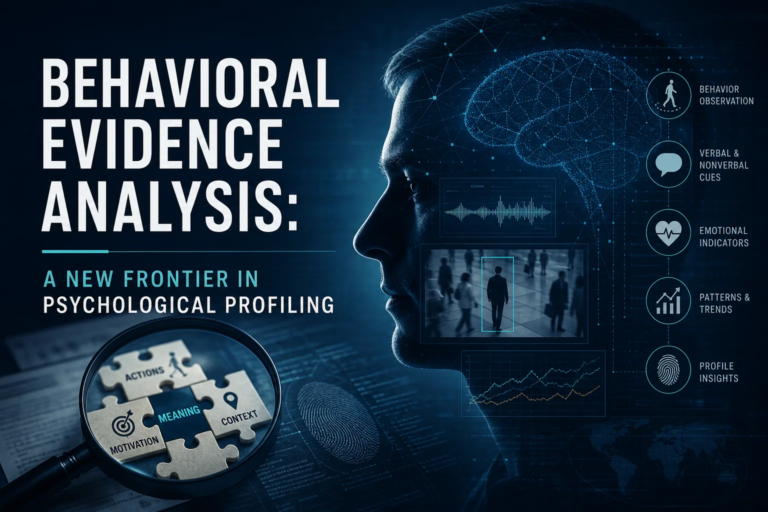
Selecting the right jury can be the linchpin of a successful trial. Consultants use psychological profiling and statistical analysis to identify jurors whose backgrounds, beliefs, and life experiences align with a client’s narrative.
Case Study: The Casey Anthony Trial
In the Casey Anthony case, consultants utilized in-depth data analytics to select jurors who would be less swayed by media influence. This strategic insight was crucial in shaping the defense’s approach, revealing how effective jury selection can heavily impact case outcomes.
Trial Strategy Development: Building a Narrative
The way a case is presented can significantly influence its reception. Trial consultants assist lawyers in crafting compelling narratives that resonate with jurors on an emotional level.
Case Study: The Enron Trial
In the Enron trial, consultants worked to create a narrative that humanized the victims of the scandal. This strategic framing helped jurors connect emotionally, influencing their perceptions of the case’s moral complexities.
Tools and Techniques Used by Trial Consultants
Mock Trials: Testing Hypotheses
Mock trials serve as a rehearsal for the actual courtroom experience. They help teams identify issues and rectify them prior to going to court.
Jury Profiling: Tailored Strategies
Utilizing detailed questionnaires, trial consultants can develop profiles that predict juror behavior. This allows legal teams to tailor their arguments.
Communication Techniques: The Art of Persuasion
Trial consultants often coach witnesses and attorneys in communication techniques, ensuring their messages are clear, concise, and compelling.
The Ethical Dimensions of Trial Consulting
While trial consultants play a vital role, they also face ethical dilemmas, particularly when it comes to influencing juror perceptions. Understanding the line between persuasion and manipulation is crucial to maintaining the integrity of the legal system.
Case Study: The O.J. Simpson Trial
The O.J. Simpson trial raised numerous ethical questions surrounding jury manipulation and media influence. While trial consultants contributed to a robust defense strategy, the fine line between compelling narrative and ethical responsibility became a hot topic of discussion.
Real-World Impact: How Trial Consultants Shape Outcomes
Delivering Results
The effectiveness of trial consultants can often be measured in outcomes:
- Verdict Outcomes: Winning cases due to refined strategies
- Settlements: Driving negotiations that result in favorable settlements before trial
- Reduced Litigation Costs: Streamlining processes to limit unnecessary expenses
Future Trends in Trial Consulting
With advancements in technology and data analytics, the role of trial consultants is evolving. Predictive analytics, social media monitoring, and artificial intelligence are emerging as pivotal tools in shaping trial strategies.
Conclusion
The behind the scenes: the critical role of trial consultants in legal victories cannot be underestimated. These professionals bring a unique skill set to the complex world of litigation, employing strategies and methods that can sway juries and significantly impact the outcomes of trials. As legal battles become increasingly sophisticated, the demand for trial consultants will rise, cementing their role as essential partners in achieving justice.
FAQs
1. What do trial consultants do?
Trial consultants assist legal teams in strategizing and preparing for trials, conducting research, and analyzing juror behavior to maximize chances of success.
2. How can trial consultants influence a trial’s outcome?
By offering insights into juror emotions, perceptions, and biases, trial consultants help lawyers shape persuasive arguments and narratives.
3. Are there ethical concerns with trial consulting?
Yes, trial consultants navigate a fine line between effective persuasion and manipulation which raises ethical questions about their influence on juror perceptions.
4. What methods do trial consultants typically use?
Common methods include mock trials, jury profiling, focus groups, and communication coaching.
5. How are trial consultants viewed by the legal community?
Trial consultants are increasingly recognized as essential contributors to trial success, though opinions on their ethical implications may vary.
Incorporating expert insights, empirical research, and real-world examples, this article has shed light on the pivotal role trial consultants play in legal victories. For anyone looking to understand the intricacies behind the courtroom curtain, recognizing the influence of these professionals is crucial for appreciating the complexity of legal outcomes in our justice system.
About the Author


The PsyForU Editorial Collective is the research and editorial team of PsyForU Research International. The collective prepares educational, psychological, mental-health-awareness, inclusion, neurodiversity, and research-methodology content for students, parents, educators, researchers, and general readers. PsyForU content is intended for awareness, education, and capacity-building and should not be treated as clinical diagnosis, therapy, medical advice, legal advice, or emergency mental-health support.