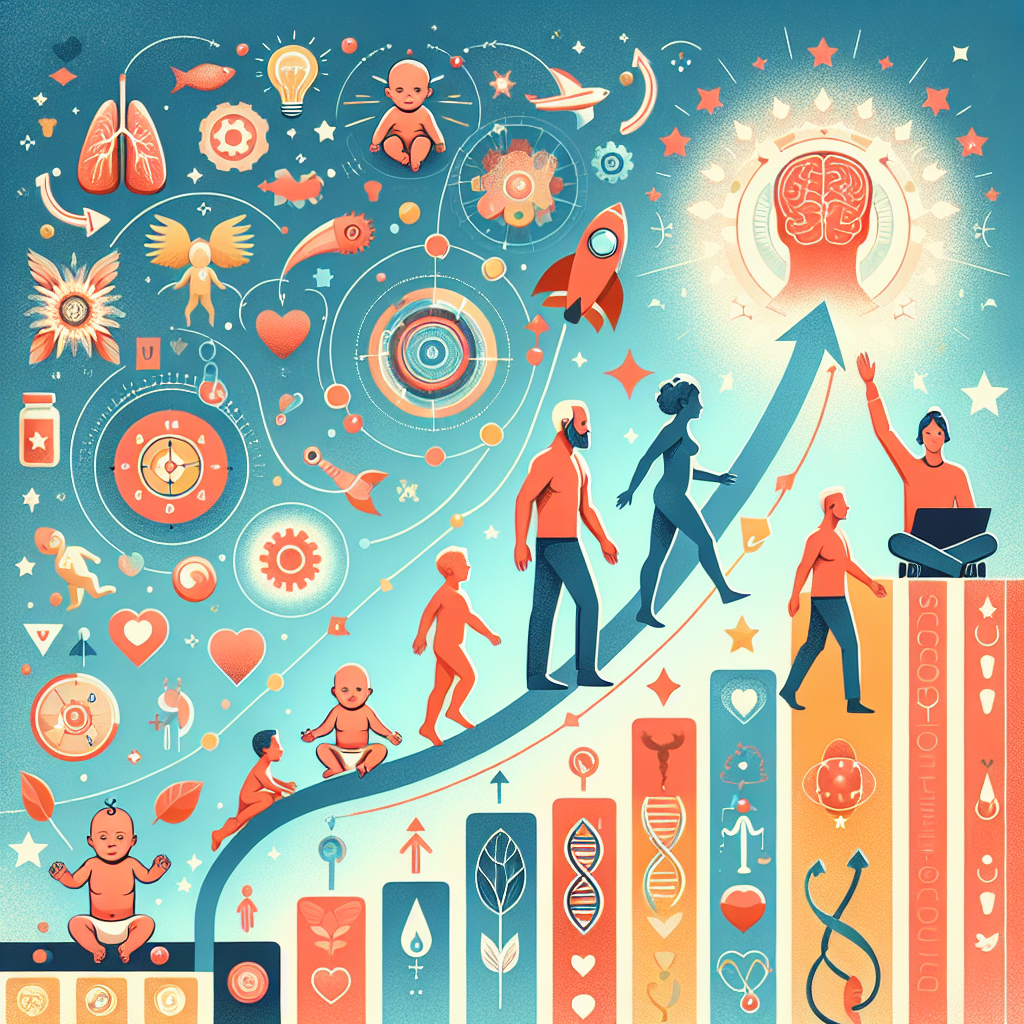
Psychology Unpacked: The Essential Stages of Human Growth
Introduction
Human development is a fascinating journey filled with myriad stages, challenges, and triumphs. Just as a butterfly must emerge from its chrysalis to take to the skies, individuals undergo various psychological transformations throughout their lives. Understanding these essential stages is critical not only for personal growth but also for fostering empathy and connection with others. This article, Psychology Unpacked: The Essential Stages of Human Growth, aims to illuminate the key phases of human development, offering insights that can empower readers across all walks of life.
Let’s delve into the intricate tapestry of human growth, exploring how each stage shapes our identities and influences our interactions.
The Stages of Human Development
Infancy (0-2 Years)
Infancy is often considered the most crucial stage of human growth. Infants undergo rapid physical, emotional, and social development during this period.
Key Developments
- Attachment: Infants form attachments with caregivers, a vital aspect affecting future relationships.
- Sensory Milestones: The development of sensory perception, such as sight and hearing, allows infants to engage with their environment.
Case Study: The "Strange Situation" Experiment
Conducted by Mary Ainsworth in the 1970s, this study showcased how infants respond to the presence and absence of caregivers. Infants categorized as "securely attached" demonstrated resilience and better coping skills in later life stages. This research underscores the importance of attachment during the Psychology Unpacked: The Essential Stages of Human Growth.
Early Childhood (3-6 Years)
Early childhood is characterized by imaginative play, social interaction, and the foundational development of language.
Key Developments
- Language Acquisition: This period witnesses a significant increase in vocabulary and language skills.
- Social Skills: Children learn to navigate friendships and social norms, laying the groundwork for future interactions.
Case Study: The Role of Play
Research shows that role-playing during early childhood helps develop empathy and problem-solving skills. Children who engage in imaginative play tend to show stronger emotional intelligence, highlighting the richness of this stage in Psychology Unpacked: The Essential Stages of Human Growth.
Middle Childhood (7-11 Years)
This stage is marked by cognitive growth, self-awareness, and a heightened sense of competence.
Key Developments
- Self-Concept: Children begin to form their identities, grounded in experiences and feedback from others.
- Academic Skills: There is a significant emphasis on educational attainment and academic skills during these formative years.
Case Study: Self-Esteem Research
Research by Harter in the 1980s illustrated that children with positive self-concepts tended to excel academically and socially. This finding reinforces the importance of nurturing self-esteem in the Psychology Unpacked: The Essential Stages of Human Growth.
Adolescence (12-18 Years)
Adolescence is often viewed as the most tumultuous and transformative stage, characterized by identity crisis, peer influence, and emotional upheaval.
Key Developments
- Identity Formation: Adolescents grapple with questions of who they are and their place in the world.
- Peer Relationships: Peers increasingly influence behaviors, attitudes, and values.
Case Study: Erik Erikson’s Stages of Psychosocial Development
Erikson categorized this stage as "Identity vs. Role Confusion." His work illustrates the complexities adolescents face and emphasizes the importance of supportive environments for a successful transition.
Early Adulthood (19-40 Years)
Young adulthood is often synonymous with independence, exploration, and establishing intimate relationships.
Key Developments
- Intimacy: Young adults seek meaningful relationships and partnerships.
- Career Development: This stage often involves establishing oneself in a career and pursuing personal goals.
Case Study: Marcia’s Identity Status Theory
James Marcia expanded on Erikson’s work by identifying four identity statuses: identity diffusion, foreclosure, moratorium, and achievement. Understanding these statuses helps elucidate the choices young adults make during Psychology Unpacked: The Essential Stages of Human Growth.
Middle Adulthood (40-65 Years)
Middle adulthood is characterized by reflection, productivity, and continued growth—a time for evaluating life’s achievements and establishing legacies.
Key Developments
- Generativity: Adults focus on nurturing the next generation and contributing to society.
- Life Review: Individuals begin to reflect on their life experiences and their impact.
Case Study: Levinson’s Seasons of a Man’s Life
Levinson identified the "mid-life transition" as a pivotal phase where individuals confront their life’s trajectory. Understanding these dynamics enhances our grasp of Psychology Unpacked: The Essential Stages of Human Growth.
Late Adulthood (65+ Years)
The final stage of human growth revolves around reflection, acceptance, and often, dealing with loss.
Key Developments
- Coping with Changes: Older adults face physical decline, loss of loved ones, and the need for social connections.
- Integrity vs. Despair: This is Erikson’s final stage, where individuals reflect on their lives with a sense of fulfillment or regret.
Case Study: The Studies of Aging
Research by Rowe and Kahn on "successful aging" emphasizes maintaining physical health, social engagement, and cognitive abilities. Their findings shed light on how to navigate the challenges of late adulthood effectively.
Conclusion
In every stage of life, there are unique challenges and opportunities for growth. By unpacking the essential stages of human growth, we gain a deeper understanding of our own behavior and those of others. As we venture through the vast landscape of life, it becomes essential to recognize these stages and adapt our approaches accordingly.
Embracing the insights from Psychology Unpacked: The Essential Stages of Human Growth can benefit personal development and collective society, fostering understanding and kindness in our interactions.
FAQs
What are the main stages of human development?
The main stages are infancy, early childhood, middle childhood, adolescence, early adulthood, middle adulthood, and late adulthood.Why is attachment important in infancy?
Attachment influences emotional and social development, impacting relationships in later life.How can parents support their child’s development during early childhood?
Engaging in play, encouraging exploration, and nurturing creativity can significantly enhance development.How does identity formation occur in adolescence?
Adolescents explore various identities and roles, often influenced by peer relationships and societal expectations.- What factors contribute to successful aging?
Key factors include maintaining physical health, strong social connections, and cognitive engagement.
In Psychology Unpacked: The Essential Stages of Human Growth, we discover that growth is not just about age; it’s an ongoing dynamic process filled with potential. Embrace each stage and look forward to the journey ahead!
About the Author