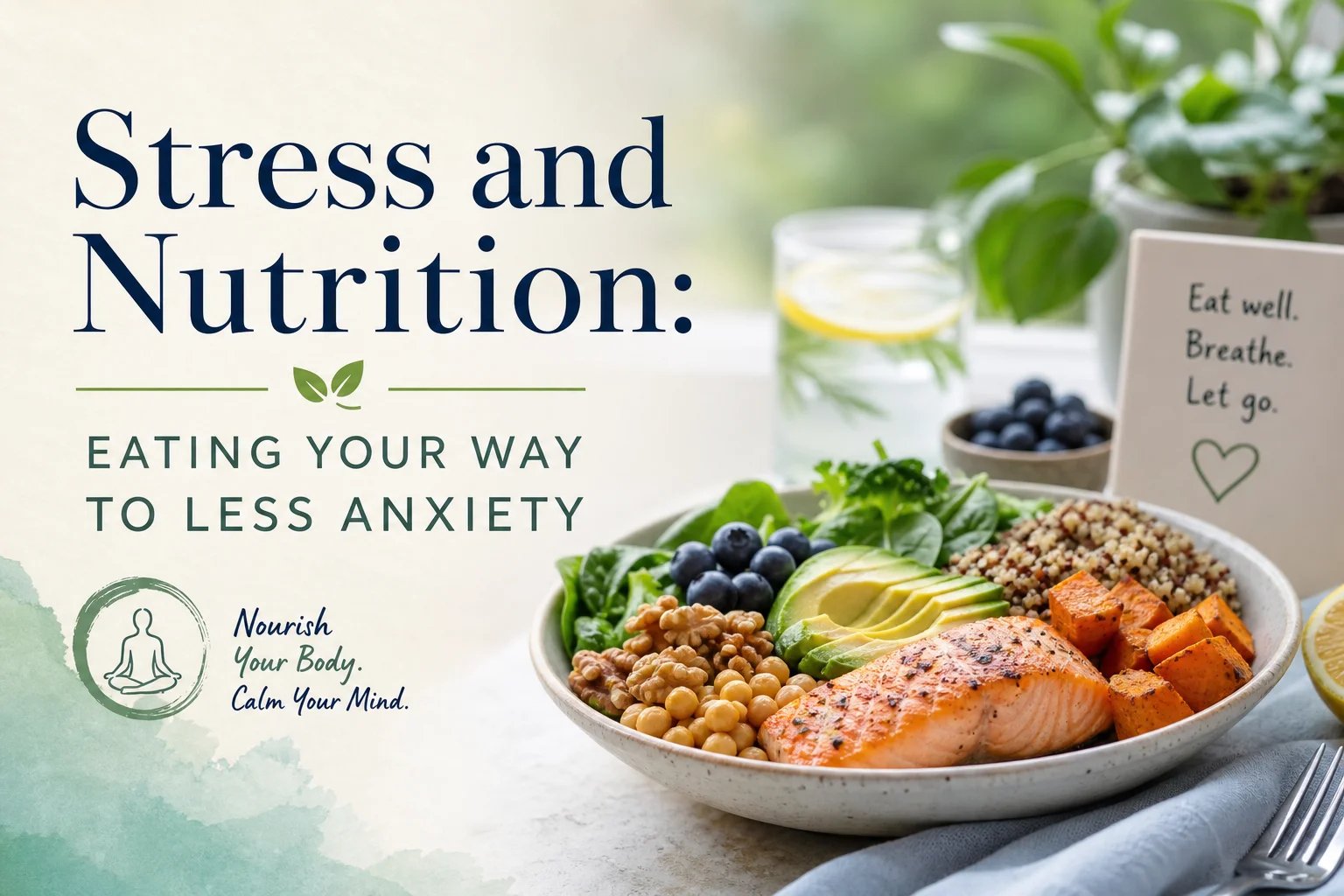
You know the feeling: your shoulders creep toward your ears, your thoughts start racing, and suddenly the snack cabinet looks like it has all the answers. Stress has a way of hijacking both the brain and the appetite. Some people lose interest in food completely. Others find themselves reaching for sugar, caffeine, salty snacks, or late-night comfort meals—not because they lack willpower, but because the stressed body is biologically asking for quick relief.
That is where Stress and Nutrition: Eating Your Way to Less Anxiety becomes more than a wellness slogan. It is a practical, science-informed approach to helping your nervous system feel safer, steadier, and better supported.
Food will not erase every deadline, family conflict, financial concern, or anxious thought. But the way you eat can influence blood sugar, inflammation, gut health, sleep quality, hormones, and neurotransmitters—all of which affect how stress feels in the body.
In other words, nutrition cannot remove every storm, but it can help you build a stronger umbrella.
This in-depth guide explores Stress and Nutrition: Eating Your Way to Less Anxiety from a realistic, human perspective. You will learn which foods support calm, which habits can worsen anxiety, how the gut and brain communicate, and how real people can use nutrition as one part of a more resilient lifestyle.
Important note: This article is for educational purposes only and does not replace medical advice. If you have severe anxiety, panic attacks, disordered eating, diabetes, gastrointestinal disease, or are taking medication, speak with a qualified healthcare professional before making major dietary changes.
Understanding the Link Between Stress and Nutrition
Stress is not “just in your head.” It is a full-body event.
When your brain detects a threat—whether that threat is a looming presentation or a traffic jam—it activates the sympathetic nervous system. Stress hormones such as cortisol and adrenaline rise. Heart rate increases. Blood sugar may climb to provide quick energy. Digestion slows or becomes irregular. Your body prepares to respond.
This response is useful in short bursts. The problem begins when stress becomes chronic.
Modern life often keeps people in a low-grade stress loop. Emails, bills, news alerts, poor sleep, overwork, and emotional pressure can all keep the nervous system switched on. Over time, chronic stress may contribute to:
- Blood sugar instability
- Increased cravings
- Digestive discomfort
- Poor sleep
- Muscle tension
- Irritability
- Brain fog
- Emotional eating
- Increased anxiety symptoms
This is why Stress and Nutrition: Eating Your Way to Less Anxiety matters. Nutrition gives the body raw materials to regulate mood, produce neurotransmitters, maintain stable energy, and recover from stress.
Think of your nervous system like a car engine. Stress is the pressure on the accelerator. Nutrition is part of the fuel, oil, and maintenance system. If the engine is already strained and the fuel is poor, the ride becomes rough.
Stress and Nutrition: Eating Your Way to Less Anxiety Starts With Blood Sugar
One of the most overlooked connections between stress and anxiety is blood sugar.
When blood sugar rises and crashes, the body may interpret the crash as a threat. Low blood sugar can trigger symptoms that feel similar to anxiety, including:
- Shakiness
- Sweating
- Irritability
- Racing heart
- Lightheadedness
- Difficulty concentrating
- Sudden hunger
- A sense of panic
Many people do not realize that their “random anxiety” may partly be a blood sugar issue.
A common pattern looks like this:
- Skip breakfast or drink only coffee.
- Feel wired but productive for a few hours.
- Crash by late morning or early afternoon.
- Reach for sugar or refined carbs.
- Feel temporarily better.
- Crash again.
- End the day exhausted, anxious, and craving comfort food.
This cycle is central to Stress and Nutrition: Eating Your Way to Less Anxiety because stable blood sugar often supports a steadier mood.
Blood Sugar-Supportive Meal Formula
A calming meal does not need to be complicated. Aim for:
| Component | Why It Helps Stress | Examples |
|---|---|---|
| Protein | Supports neurotransmitters and satiety | Eggs, Greek yogurt, lentils, fish, tofu, chicken |
| Fiber-rich carbohydrates | Provide steady energy | Oats, beans, quinoa, berries, sweet potatoes |
| Healthy fats | Support brain health and fullness | Avocado, olive oil, nuts, seeds, salmon |
| Colorful plants | Provide antioxidants and minerals | Leafy greens, peppers, carrots, berries |
| Hydration | Supports energy, digestion, and focus | Water, herbal tea, mineral water |
A breakfast of coffee and a pastry may taste comforting, but it often creates a roller coaster. A breakfast of oatmeal with walnuts and berries, or eggs with whole-grain toast and spinach, gives your body more stable fuel.
That is the practical beauty of Stress and Nutrition: Eating Your Way to Less Anxiety: small changes can create noticeable shifts.
The Gut-Brain Connection: Your Second Brain Matters
If you have ever felt butterflies before a big event or stomach upset during a stressful week, you have experienced the gut-brain connection.
The gut and brain communicate through several pathways, including:
- The vagus nerve
- Immune signaling
- Hormones
- Gut bacteria metabolites
- Neurotransmitter production
The gut microbiome—the community of microorganisms living in your digestive tract—plays a fascinating role in mental health. While research is still developing, studies suggest that a diverse, balanced gut microbiome may support emotional regulation and stress resilience.
This makes the gut a major player in Stress and Nutrition: Eating Your Way to Less Anxiety.
Foods That Support the Gut-Brain Axis
| Food Type | Examples | Potential Benefit |
|---|---|---|
| Fermented foods | Yogurt, kefir, sauerkraut, kimchi, miso | May support beneficial bacteria |
| Prebiotic fibers | Onions, garlic, asparagus, oats, bananas | Feed good gut microbes |
| Polyphenol-rich foods | Berries, cocoa, green tea, herbs | Support microbiome diversity |
| Legumes | Lentils, chickpeas, black beans | Provide fiber and slow carbs |
| Omega-3 foods | Salmon, sardines, chia, flax | May help regulate inflammation |
A gut-friendly approach is not about taking expensive supplements first. It usually begins with eating more plants, more fiber, and fewer ultra-processed foods.
For many people, nutrition for stress and anxiety relief improves when digestion improves. Less bloating, more regular meals, and fewer energy crashes can all make the body feel less threatened.
Nutrients That Help the Nervous System Feel Safe
The brain is an energy-hungry organ. It needs vitamins, minerals, amino acids, fatty acids, and glucose to function well.
When discussing Stress and Nutrition: Eating Your Way to Less Anxiety, several nutrients deserve special attention.
Magnesium
Magnesium is involved in hundreds of processes, including muscle relaxation, nerve signaling, and stress response regulation. Low magnesium intake may contribute to tension, poor sleep, and irritability.
Food sources: pumpkin seeds, almonds, spinach, black beans, dark chocolate, avocado.
Omega-3 Fatty Acids
Omega-3 fats, especially EPA and DHA, are important for brain cell membranes and inflammatory balance. Some research suggests omega-3s may support mood and reduce anxiety symptoms in certain populations.
Food sources: salmon, sardines, trout, anchovies, walnuts, chia seeds, flaxseeds.
B Vitamins
B vitamins help with energy production and neurotransmitter synthesis. Chronic stress may increase the need for certain B vitamins.
Food sources: eggs, leafy greens, legumes, poultry, fish, whole grains, nutritional yeast.
Vitamin D
Vitamin D is linked with immune function, mood regulation, and overall health. Low levels are common, especially in people with limited sun exposure.
Food sources: sunlight, fortified foods, egg yolks, fatty fish. Supplements may be needed for some people after testing.
Zinc
Zinc supports immune health, brain function, and neurotransmitter activity.
Food sources: oysters, beef, pumpkin seeds, chickpeas, cashews.
Tryptophan
Tryptophan is an amino acid used to produce serotonin, a neurotransmitter involved in mood and well-being.
Food sources: turkey, eggs, dairy, tofu, nuts, seeds, oats.
Nutrient Snapshot for Stress Support
| Nutrient | Role in Stress Response | Best Food Sources |
|---|---|---|
| Magnesium | Relaxation, nerve function | Pumpkin seeds, spinach, almonds |
| Omega-3s | Brain health, inflammation balance | Salmon, sardines, chia, flax |
| B vitamins | Energy and neurotransmitters | Eggs, legumes, whole grains |
| Vitamin D | Mood and immune support | Sunlight, fatty fish, fortified foods |
| Zinc | Brain and immune function | Pumpkin seeds, seafood, chickpeas |
| Tryptophan | Serotonin production | Turkey, eggs, tofu, oats |
These nutrients do not work like instant anti-anxiety pills. Instead, they help create a better internal environment over time. That is a key principle of Stress and Nutrition: Eating Your Way to Less Anxiety: consistency beats perfection.
Foods That Can Make Stress Feel Worse
A balanced article on Stress and Nutrition: Eating Your Way to Less Anxiety must also talk about what can backfire.
No single food is “bad” in every context. A slice of birthday cake with friends can be joyful. A cup of coffee can be part of a healthy routine. But certain patterns can worsen anxiety for many people.
1. Excess Caffeine
Caffeine stimulates the nervous system. For some people, it improves focus and mood. For others, especially those prone to anxiety, too much caffeine can trigger:
- Jitters
- Racing thoughts
- Heart palpitations
- Digestive upset
- Sleep disruption
- Panic-like symptoms
If anxiety is high, consider reducing caffeine gradually rather than stopping abruptly. Try half-caf coffee, green tea, or limiting caffeine to the morning.
2. High-Sugar Eating Patterns
Sugar can provide quick comfort, but frequent sugar spikes and crashes may worsen mood swings and anxiety. The goal is not sugar shame. It is awareness.
Pair sweets with protein or fat when possible. For example, have chocolate with nuts rather than candy on an empty stomach.
3. Alcohol
Alcohol may feel calming in the moment, but it can disrupt sleep, alter blood sugar, and increase next-day anxiety. Many people experience “hangxiety,” a rebound anxiety after drinking.
4. Ultra-Processed Foods
Diets high in ultra-processed foods may be lower in fiber, minerals, antioxidants, and healthy fats. Over time, this can affect gut health, inflammation, and energy stability.
5. Skipping Meals
Skipping meals is one of the fastest ways to make the stress response louder. If your body is underfed, your brain may become more reactive.
A core rule of eating your way to less anxiety is simple: do not make your nervous system guess when fuel is coming.
The Best Eating Pattern for Less Anxiety
There is no single “anti-anxiety diet” that works for everyone. However, several research-supported patterns overlap.
A Mediterranean-style diet is one of the most studied for mental health. It emphasizes:
- Vegetables
- Fruits
- Whole grains
- Beans and lentils
- Nuts and seeds
- Olive oil
- Fish and seafood
- Herbs and spices
- Moderate dairy
- Limited ultra-processed foods
The Mediterranean approach fits beautifully with Stress and Nutrition: Eating Your Way to Less Anxiety because it supports blood sugar stability, gut health, nutrient density, and inflammation balance.
Simple Anti-Stress Plate Method
| Plate Section | What to Include | Example |
|---|---|---|
| ½ plate | Non-starchy vegetables | Salad, broccoli, peppers, greens |
| ¼ plate | Protein | Salmon, chicken, tofu, lentils |
| ¼ plate | Fiber-rich carbohydrate | Brown rice, quinoa, sweet potato |
| Add-on | Healthy fat | Olive oil, avocado, tahini |
| Optional | Flavor boosters | Herbs, lemon, spices, fermented foods |
This is not about dieting. It is about nourishment.
When people hear Stress and Nutrition: Eating Your Way to Less Anxiety, they sometimes imagine strict rules. But restriction can increase stress. The goal is to add supportive foods, not create fear around eating.
Case Study 1: The Coffee-and-Cortisol Cycle
Background
Maya, a 34-year-old marketing manager, described herself as “high-functioning but always on edge.” She often skipped breakfast, drank two large coffees before noon, and ate her first real meal around 2 p.m. By late afternoon, she felt shaky and anxious. At night, she craved sweets and struggled to fall asleep.
Nutrition Changes
Maya did not overhaul her entire life. She made three changes:
- Ate breakfast within 90 minutes of waking.
- Reduced coffee from two large cups to one regular cup after food.
- Added a protein-rich afternoon snack.
Her typical breakfast became Greek yogurt with berries, oats, and walnuts. Her snack was hummus with whole-grain crackers or an apple with peanut butter.
Outcome
Within three weeks, Maya reported fewer afternoon anxiety spikes, better concentration, and less intense sugar cravings at night.
Analysis
Maya’s experience illustrates a foundational lesson in Stress and Nutrition: Eating Your Way to Less Anxiety: anxiety symptoms can intensify when caffeine, skipped meals, and blood sugar crashes combine. Her improvements were not magical. They came from giving her nervous system predictable fuel.
Case Study 2: Gut Health and Emotional Resilience
Background
Daniel, a 42-year-old teacher, experienced chronic work stress and frequent digestive discomfort. He ate quickly, relied on takeout, and rarely consumed fruits or vegetables. He noticed that when his stomach felt bad, his anxiety felt worse.
Nutrition Changes
Daniel focused on gut-supportive foods:
- Added one fermented food daily, such as kefir or yogurt
- Increased fiber slowly with oats, beans, and vegetables
- Swapped fast-food lunches for grain bowls
- Practiced eating lunch away from his desk when possible
Outcome
After two months, Daniel reported improved digestion and fewer “stress stomach” episodes. He still had a demanding job, but he felt less physically reactive.
Analysis
Daniel’s case shows why nutrition for stress and anxiety relief often starts in the gut. The gut-brain axis is not abstract—it affects daily comfort, mood, and resilience. His changes were gradual, which helped prevent digestive overload from too much fiber too quickly.
Case Study 3: The Sleep, Snack, Stress Triangle
Background
Lena, a 29-year-old nurse working rotating shifts, struggled with sleep disruption and anxiety. Her meals were inconsistent, and she often ate vending machine snacks during night shifts. On days off, she felt exhausted and emotionally sensitive.
Nutrition Changes
Lena built a “shift survival kit”:
- Hard-boiled eggs
- Trail mix with nuts and seeds
- Greek yogurt
- Turkey and avocado wraps
- Electrolyte water
- Herbal tea for winding down
She also limited caffeine during the second half of her shift and ate a balanced meal before sleeping.
Outcome
Lena’s sleep did not become perfect—shift work remained challenging—but she felt fewer energy crashes and less anxious after shifts.
Analysis
This case reinforces a realistic point about Stress and Nutrition: Eating Your Way to Less Anxiety: nutrition cannot remove every stressor, especially structural ones like shift work. But it can reduce the physiological burden and help the body recover.
The Role of Protein in Calming the Mind
Protein is often discussed in fitness circles, but it is just as important for mental well-being.
Protein provides amino acids, which help produce neurotransmitters such as serotonin, dopamine, and norepinephrine. These chemical messengers influence mood, motivation, alertness, and calm.
Low-protein meals may leave you hungry, tired, and more vulnerable to cravings. This is why Stress and Nutrition: Eating Your Way to Less Anxiety often includes protein at every meal.
Easy Protein Ideas
| Meal | Protein Options |
|---|---|
| Breakfast | Eggs, Greek yogurt, cottage cheese, tofu scramble |
| Lunch | Lentils, chicken, tuna, tempeh, beans |
| Dinner | Salmon, turkey, tofu, chickpeas, lean beef |
| Snacks | Nuts, hummus, cheese, edamame, protein smoothie |
A practical target for many adults is 20–30 grams of protein per meal, though individual needs vary based on body size, activity, age, and medical conditions.
Carbohydrates Are Not the Enemy
Many people trying to manage anxiety wonder whether they should cut carbs. The answer: not necessarily.
Carbohydrates can support serotonin production and provide energy for the brain. The key is choosing slow-digesting, fiber-rich carbohydrates most of the time.
Helpful carbohydrates include:
- Oats
- Quinoa
- Brown rice
- Beans
- Lentils
- Sweet potatoes
- Berries
- Apples
- Whole-grain bread
- Barley
Refined carbs on an empty stomach may spike and crash blood sugar. But balanced carbohydrates paired with protein and fat can support calm, steady energy.
This is an important nuance in Stress and Nutrition: Eating Your Way to Less Anxiety. The goal is not carb fear. The goal is carb quality and meal balance.
Healthy Fats and the Anxious Brain
The brain is rich in fat, and healthy fats are essential for brain structure and signaling. Diets extremely low in fat may leave some people feeling unsatisfied and mentally foggy.
Supportive fats include:
- Extra-virgin olive oil
- Avocado
- Walnuts
- Almonds
- Chia seeds
- Flaxseeds
- Fatty fish
- Tahini
Omega-3 fats deserve special attention because of their role in brain health. Eating fatty fish two times per week is a common recommendation. If you do not eat fish, consider plant-based omega-3 sources or speak with a clinician about supplementation.
A satisfying meal that includes healthy fat can slow digestion and extend energy. This supports the central idea of eating for a calmer nervous system.
Hydration: The Simple Stress Tool People Forget
Even mild dehydration can affect mood, concentration, and energy. Dehydration may also worsen headaches and fatigue, which can make stress harder to manage.
Hydration does not mean forcing huge amounts of water. It means drinking consistently and paying attention to your body.
Signs you may need more fluids include:
- Dark urine
- Dry mouth
- Headache
- Fatigue
- Dizziness
- Constipation
- Difficulty focusing
If you drink a lot of caffeine, exercise, sweat heavily, or work in hot environments, your fluid needs may be higher.
Herbal teas can be especially useful in Stress and Nutrition: Eating Your Way to Less Anxiety because they create a calming ritual. Chamomile, lemon balm, lavender, and peppermint are popular options.
Meal Timing and Anxiety: Why Rhythm Matters
Your body likes rhythm. Predictable meals can help regulate hunger hormones, blood sugar, digestion, and energy.
This does not mean everyone needs to eat six times a day. Some people feel best with three meals. Others need meals plus snacks. The important question is: does your current pattern make you feel steady or chaotic?
Signs Your Meal Timing May Be Increasing Stress
- You often go more than 5–6 hours without eating.
- You rely on caffeine to replace meals.
- You become irritable when hungry.
- You experience afternoon crashes.
- You binge or overeat at night.
- You feel anxious after skipping breakfast.
For many people, Stress and Nutrition: Eating Your Way to Less Anxiety begins with a boring but powerful habit: eating regular meals.
A One-Day Meal Plan for Stress and Nutrition: Eating Your Way to Less Anxiety
Here is a simple day of eating designed to support stable energy, gut health, and nervous system balance.
| Time | Meal | Why It Helps |
|---|---|---|
| Morning | Oatmeal with Greek yogurt, blueberries, chia seeds, and walnuts | Protein, fiber, omega-3s, antioxidants |
| Mid-morning | Green tea and a boiled egg | Gentle caffeine plus protein |
| Lunch | Salmon or tofu bowl with quinoa, greens, avocado, and olive oil dressing | Omega-3s, magnesium, slow carbs |
| Afternoon | Apple with almond butter | Fiber, healthy fat, steady energy |
| Dinner | Lentil soup with vegetables and whole-grain bread | Fiber, plant protein, minerals |
| Evening | Chamomile tea and a few squares of dark chocolate | Calming ritual, magnesium-rich treat |
This plan is flexible. Swap foods based on culture, preference, budget, allergies, and health needs. The best version of Stress and Nutrition: Eating Your Way to Less Anxiety is the one you can actually live with.
Budget-Friendly Stress-Reducing Foods
Eating for anxiety support does not require luxury groceries. Some of the best foods for stress resilience are affordable staples.
| Budget Food | Stress-Supportive Benefit | Easy Use |
|---|---|---|
| Oats | Fiber, steady energy | Breakfast, smoothies |
| Eggs | Protein, B vitamins | Breakfast, snacks |
| Lentils | Fiber, protein, minerals | Soups, bowls |
| Canned sardines | Omega-3s, vitamin D | Toast, salads |
| Frozen berries | Antioxidants | Oats, yogurt |
| Peanut butter | Healthy fat, protein | Snacks, sauces |
| Brown rice | Slow carbs | Bowls, stir-fries |
| Spinach | Magnesium, folate | Eggs, soups, smoothies |
| Yogurt | Protein, probiotics | Breakfast, snacks |
| Bananas | Potassium, prebiotic fiber | Snacks, smoothies |
A budget-friendly approach may be the most sustainable version of Stress and Nutrition: Eating Your Way to Less Anxiety because it reduces another major stressor: financial pressure.
Emotional Eating: Compassion Before Control
Stress eating is not a character flaw. It is a coping strategy.
Food can provide comfort, memory, pleasure, and temporary relief. The problem is not emotional eating itself—it is when food becomes the only coping tool or when eating patterns create more distress afterward.
A compassionate approach to Stress and Nutrition: Eating Your Way to Less Anxiety asks:
- What am I feeling right now?
- Am I physically hungry, emotionally overwhelmed, or both?
- What would actually support me in this moment?
- Can I pair comfort with nourishment?
For example, instead of eating chips straight from the bag while standing in the kitchen, you might put some in a bowl and add a protein-rich snack beside it. Instead of banning chocolate, you might enjoy it after a balanced meal.
Stress nutrition is not punishment. It is care.
Mindful Eating and the Nervous System
How you eat matters too.
Eating while rushed, angry, distracted, or standing over the sink can keep the body in a stress state. Digestion works best when the parasympathetic nervous system—the “rest and digest” system—is active.
Try this before meals:
- Take three slow breaths.
- Unclench your jaw.
- Drop your shoulders.
- Notice the smell and colors of the food.
- Chew slowly for the first few bites.
This sounds simple, but it sends a signal: we are safe enough to eat.
Mindful eating strengthens Stress and Nutrition: Eating Your Way to Less Anxiety because it connects nourishment with nervous system regulation.
Supplements: Helpful or Hype?
Supplements can be useful, but they are not a substitute for consistent meals, sleep, therapy, movement, or medical care.
Common supplements discussed for stress include:
- Magnesium glycinate
- Omega-3 fish oil
- Vitamin D
- L-theanine
- Probiotics
- Ashwagandha
However, supplements can interact with medications or be inappropriate for certain health conditions. For example, ashwagandha may not be suitable for everyone, especially those with thyroid conditions, autoimmune concerns, pregnancy, or certain medications.
Before using supplements as part of Stress and Nutrition: Eating Your Way to Less Anxiety, consider testing for deficiencies and consulting a healthcare provider.
Food first. Supplements second, if needed.
Common Mistakes People Make When Eating for Less Anxiety
Even with good intentions, people can accidentally make anxiety worse.
Mistake 1: Trying to Change Everything Overnight
A dramatic diet overhaul can be stressful. Start with one habit, such as adding protein to breakfast.
Mistake 2: Cutting Out Too Many Foods
Restriction can increase cravings and anxiety around eating. Focus on adding nourishing foods before removing anything.
Mistake 3: Ignoring Sleep
Nutrition and sleep are deeply connected. Poor sleep increases cravings and stress hormones.
Mistake 4: Drinking Coffee Before Food
For anxious people, caffeine on an empty stomach can be a major trigger.
Mistake 5: Expecting Food to Fix Everything
Stress and Nutrition: Eating Your Way to Less Anxiety is powerful, but it works best alongside therapy, movement, social support, breathing practices, and medical care when needed.
A Practical 7-Day Reset for Stress and Nutrition: Eating Your Way to Less Anxiety
If you want to begin today, try this gentle one-week reset.
| Day | Focus | Action |
|---|---|---|
| Day 1 | Breakfast | Add protein to breakfast |
| Day 2 | Hydration | Drink water before coffee |
| Day 3 | Blood sugar | Add an afternoon snack |
| Day 4 | Gut health | Add one fermented food |
| Day 5 | Minerals | Eat one magnesium-rich food |
| Day 6 | Caffeine | Stop caffeine after noon |
| Day 7 | Reflection | Notice mood, sleep, cravings, digestion |
This reset is not a detox. Your body already has detoxification systems. This is a nervous system support plan.
The most effective version of Stress and Nutrition: Eating Your Way to Less Anxiety is not extreme. It is repeatable.
Conclusion: Nourish the Body, Reassure the Mind
Stress is part of life, but feeling constantly overwhelmed does not have to be your normal.
The connection between Stress and Nutrition: Eating Your Way to Less Anxiety is practical and empowering. By stabilizing blood sugar, supporting the gut, eating enough protein, choosing nutrient-dense foods, staying hydrated, and creating calmer eating rhythms, you give your body the tools it needs to respond to stress with more resilience.
You do not need a perfect diet. You need consistent nourishment.
Start small. Eat breakfast. Add a vegetable. Drink water. Reduce caffeine if it makes you jittery. Keep protein-rich snacks nearby. Make your meals less chaotic and more supportive.
Anxiety often tells you that everything is urgent. Nutrition teaches your body something different: you are cared for, you are fueled, and you are allowed to slow down.
That is the real promise of Stress and Nutrition: Eating Your Way to Less Anxiety—not a flawless life, but a steadier one.
1. Can food really reduce anxiety?
Food can support anxiety management, but it is not a standalone cure. A balanced diet can help regulate blood sugar, gut health, inflammation, sleep, and neurotransmitter production. Stress and Nutrition: Eating Your Way to Less Anxiety works best alongside healthy sleep, movement, therapy, and medical support when needed.
2. What is the best breakfast for stress and anxiety?
A good breakfast includes protein, fiber-rich carbohydrates, and healthy fat. Examples include eggs with whole-grain toast and avocado, Greek yogurt with berries and nuts, or oatmeal with chia seeds and nut butter. This supports stable blood sugar and steady energy.
3. Does caffeine make anxiety worse?
It can. Some people tolerate caffeine well, while others experience jitters, racing thoughts, heart palpitations, or panic-like symptoms. If you are exploring Stress and Nutrition: Eating Your Way to Less Anxiety, try drinking caffeine after food and limiting it to the morning.
4. Are carbs bad for anxiety?
No. Carbohydrates are not automatically bad. Fiber-rich carbs such as oats, beans, lentils, fruit, and sweet potatoes can support mood and energy. The issue is usually frequent refined carbs or sugar on an empty stomach, which may cause blood sugar swings.
5. What foods should I eat when I feel anxious?
Choose foods that stabilize blood sugar and are easy to digest. Good options include yogurt with nuts, a banana with peanut butter, eggs and toast, soup with lentils, or a balanced smoothie with protein. Hydration and calming herbal tea may also help.
6. How long does it take for nutrition changes to affect anxiety?
Some people notice improvements in energy and mood within days, especially when they stop skipping meals or reduce excess caffeine. Gut health, nutrient status, and inflammation-related changes may take several weeks or months. Consistency matters more than perfection.
7. Can supplements help with stress and anxiety?
Some supplements may help, especially if you have a deficiency. Magnesium, omega-3s, vitamin D, and probiotics are commonly discussed. However, supplements can interact with medications or medical conditions, so it is best to consult a healthcare professional.
8. Is emotional eating always bad?
No. Emotional eating is a normal human behavior. The goal is not to eliminate comfort eating completely, but to build more coping tools and reduce patterns that leave you feeling worse. A compassionate approach is central to Stress and Nutrition: Eating Your Way to Less Anxiety.
About the Author


Dr. Leah Howard, Positive Psychology
Dr. Howard is a researcher and advocate for positive psychology, focusing on human strengths, happiness, and well-being. Her writings explore how people can cultivate a positive mindset, improve resilience, and develop emotional intelligence to live fulfilling lives.